Five of the Deadliest Animals in the Sonoran Desert
At first glance, the Sonoran Desert looks quiet. Look closer, and it is full of life. Some of that life is built to sting, bite, or hunt with precision. While most people picture a harsh and empty landscape, this desert is alive with creatures that have adapted to survive in extreme conditions. Some of those adaptations include venom, stealth, and raw power.
From silent stalkers to masters of chemical warfare, here are five of the deadliest animals you can encounter in the Sonoran Desert and what makes each of them so dangerous.
Western Diamondback Rattlesnake
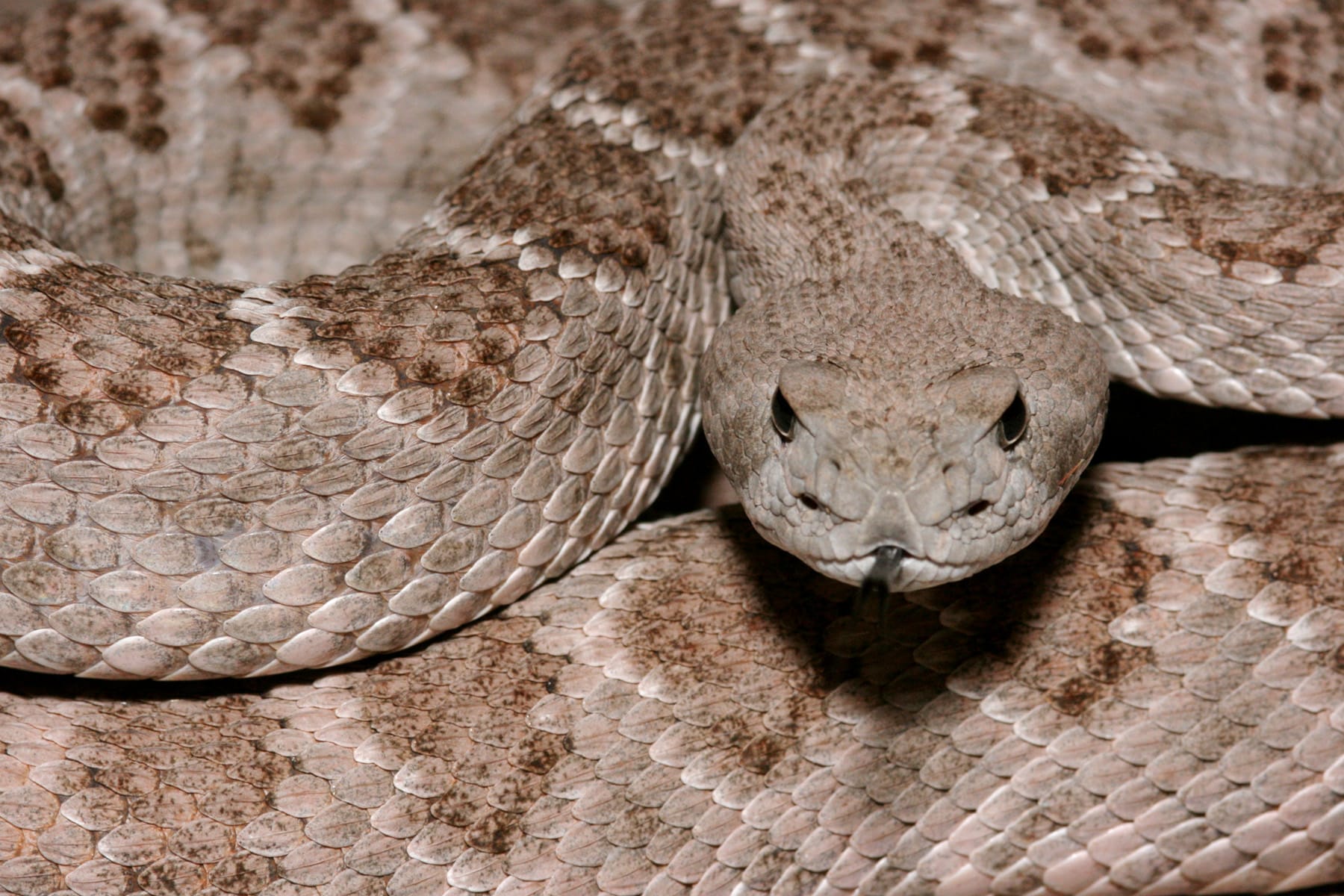
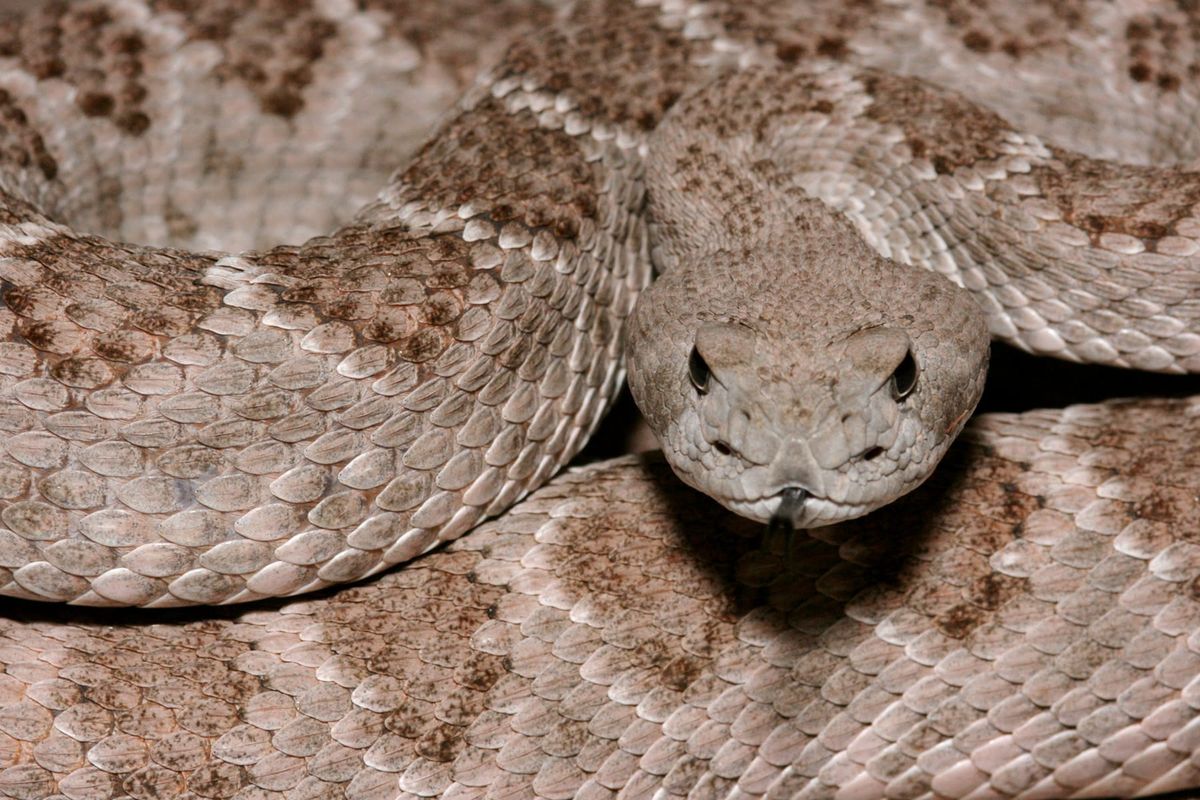
The Western Diamondback Rattlesnake is the most iconic and widely feared snake in the Sonoran Desert. It is responsible for the majority of venomous snakebites in Arizona.
This snake is heavy-bodied and can grow up to six feet long. Its signature rattle is a warning system, not an attack signal. When you hear it, you are already too close.
Its venom is hemotoxic, meaning it destroys tissue and disrupts blood clotting. A bite can cause intense pain, swelling, and serious medical complications if not treated quickly.
What makes the Western Diamondback especially dangerous is how common it is. It thrives in desert scrub, rocky hillsides, and even suburban neighborhoods. Many bites happen when people accidentally step too close or try to interact with the snake.
Mountain Lion
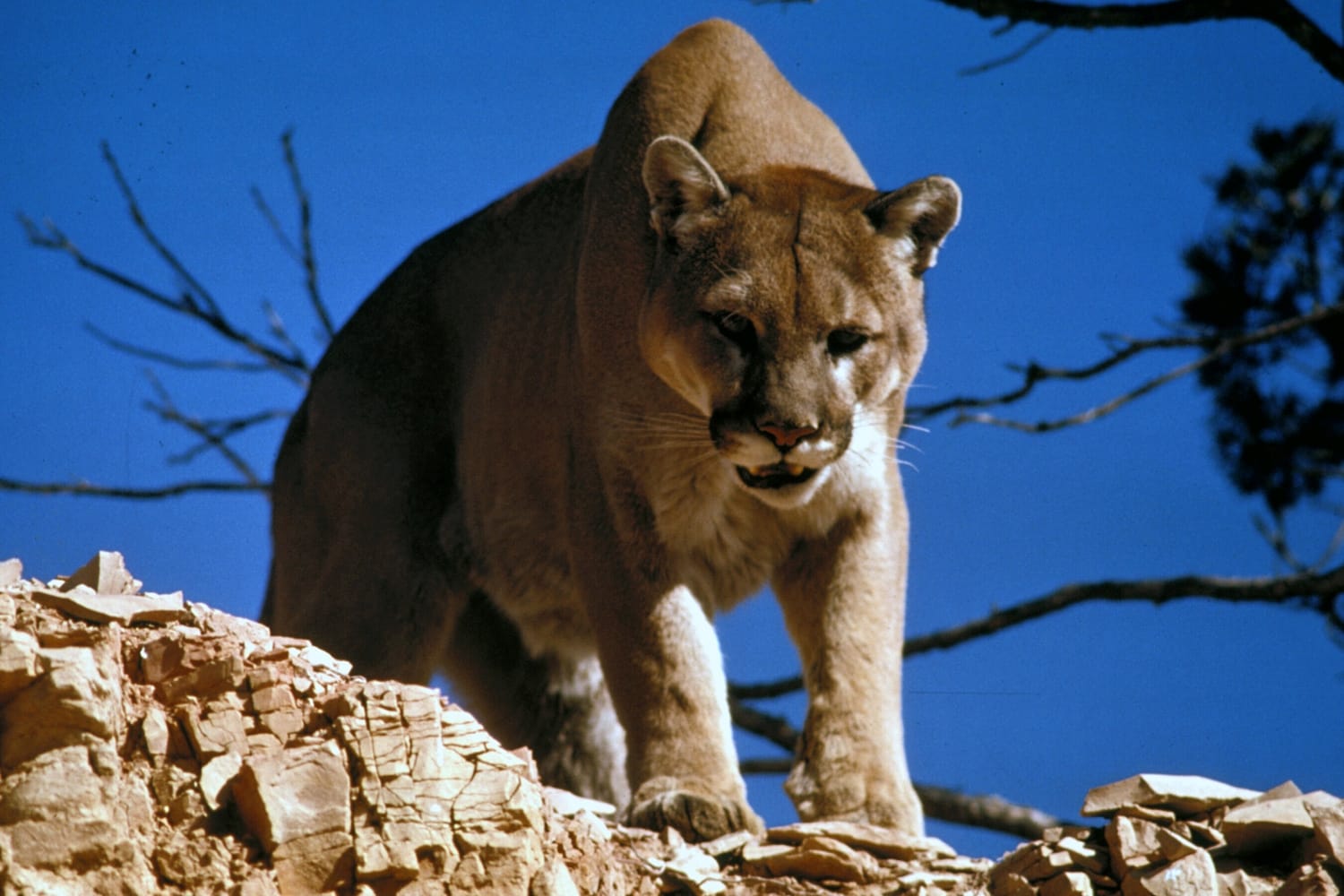
The mountain lion is the ghost of the desert, a master of stealth and camouflage. Also known as a cougar, this powerful cat is built for stealth and ambush.
Mountain lions are rarely seen, which is exactly what makes them so effective. They can silently stalk prey and launch an attack with incredible speed. A single bite to the neck is often enough to bring down animals much larger than themselves.
Mountain lions almost always avoid people, but when something goes wrong, the outcome can be serious. These cats are capable of killing deer with ease, and a human is not much of a challenge under the right circumstances.
They are most often found in mountainous areas and desert foothills, especially where prey like deer is present.
Africanized Honey Bees (Killer Bees)
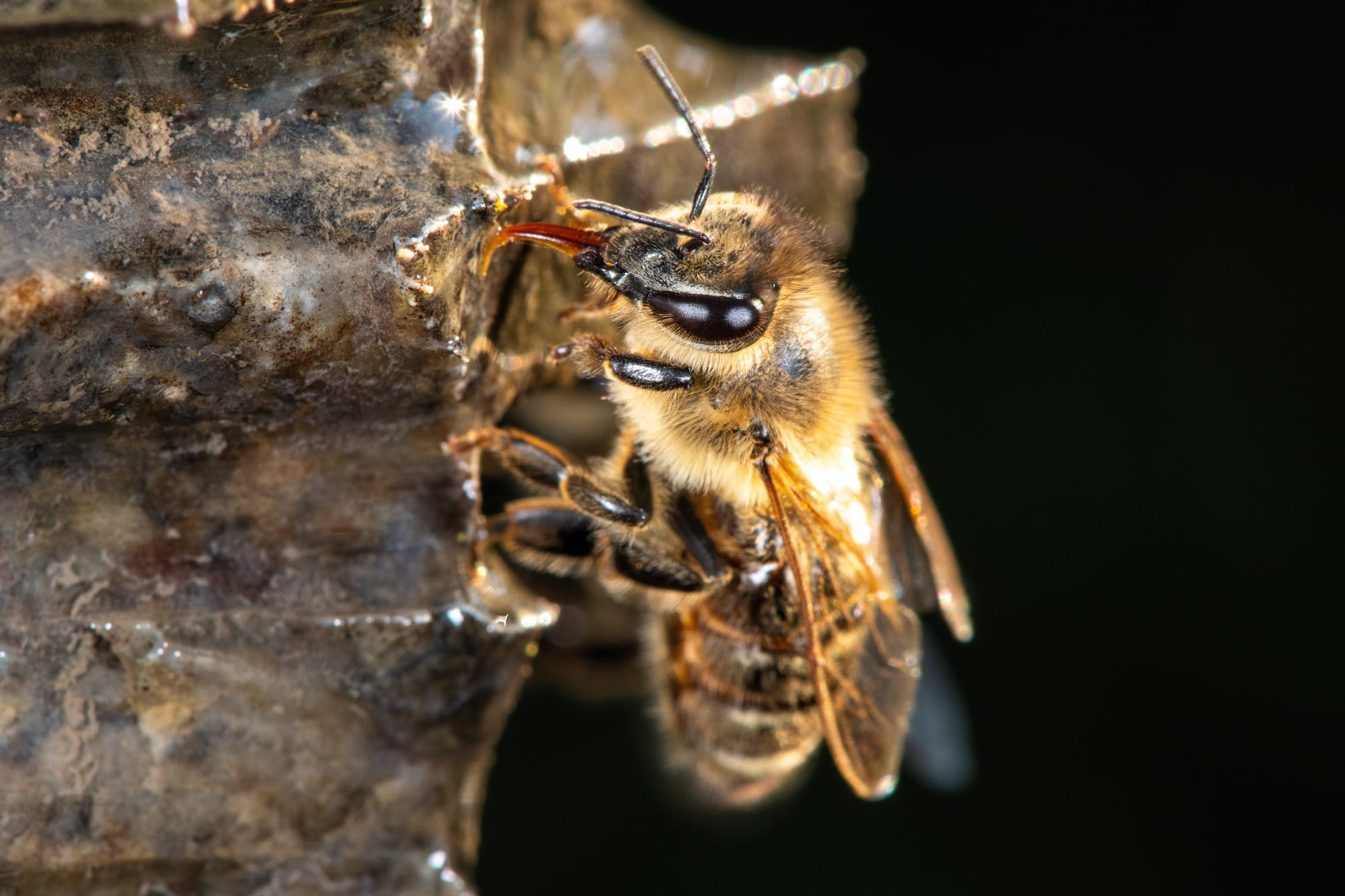
The Africanized Honey Bee, often called “killer bees,” are one of the most dangerous animals in the Sonoran Desert not because of individual power, but because of sheer numbers and aggression.
These bees are highly defensive and will respond to disturbances much faster than typical honey bees. Once agitated, they can swarm in large numbers and pursue a threat for long distances.
Each individual sting is not especially deadly, but dozens or even hundreds of stings can quickly become life-threatening. Victims can suffer from toxic venom buildup or severe allergic reactions.
Africanized honey bees are found throughout southern Arizona and often nest in unexpected places like wall cavities, irrigation boxes, and abandoned structures. Many serious encounters happen when someone unknowingly disturbs a hive.
Arizona Bark Scorpion
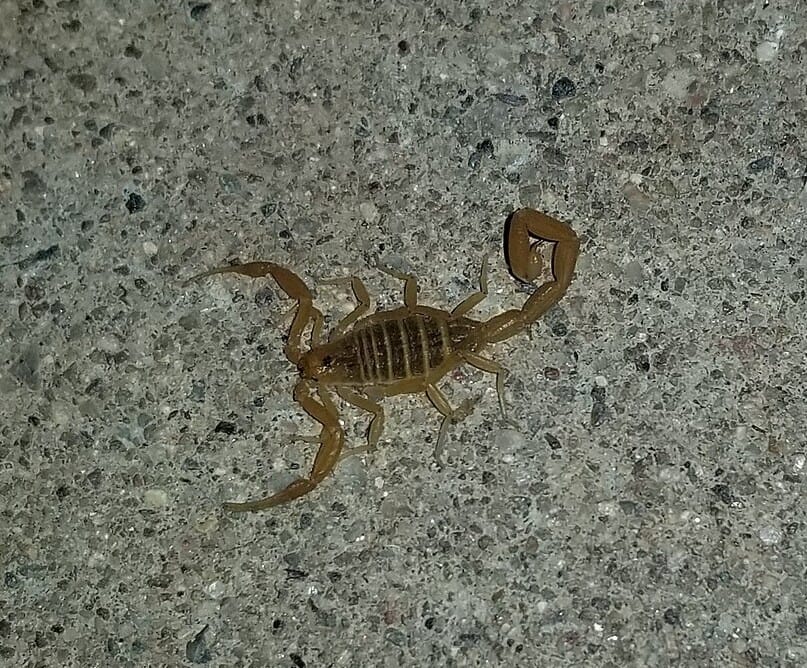
The Arizona Bark Scorpion is the most venomous scorpion in North America and one of the most feared creatures in the desert.
Small and pale, this scorpion is easy to miss. It can climb walls, hide in shoes, and slip into homes without being noticed.
Its sting delivers a powerful neurotoxin that can cause intense pain, numbness, muscle twitching, and in severe cases, difficulty breathing. While healthy adults usually recover, children and the elderly are at higher risk of serious complications.
What makes the bark scorpion especially dangerous is how often it comes into contact with people. It is commonly found in urban areas across southern Arizona, including Tucson and Phoenix.
Jaguar
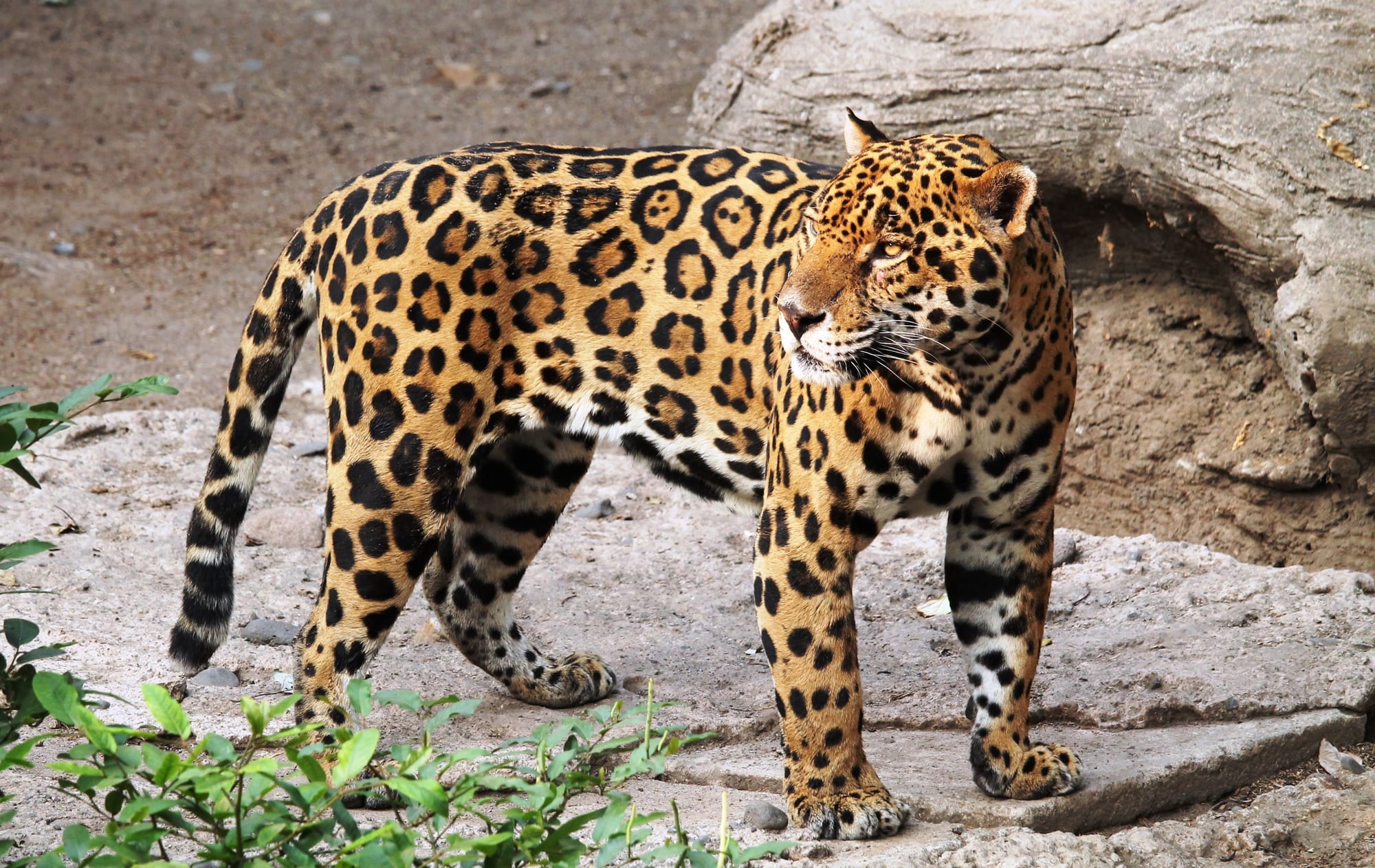
The Jaguar is the most unexpected predator on this list. Most people associate jaguars with the jungles of South America, but a small number still roam the borderlands of southern Arizona.
Jaguars are incredibly powerful. They have one of the strongest bite forces of any big cat and are known to crush skulls with their jaws.
Encounters with humans are almost nonexistent in Arizona, but the animal’s sheer capability earns it a place on this list. A jaguar is an apex predator that can take down large prey with ease.
Sightings are rare and usually occur in remote mountain ranges near the U.S.-Mexico border. Still, their presence is a reminder that the Sonoran Desert is far wilder than most people realize.
Shared Ground
The Sonoran Desert is a masterclass in survival, where every creature is armed with the tools necessary to defend its place in the sun. These animals are not aggressive without reason. Most incidents happen when people get too close, move carelessly, or disturb nests or hiding spots.
If you stay aware of your surroundings, watch where you step, and give wildlife space, you can safely explore one of the most fascinating ecosystems in the world.
Out here, survival belongs to the creatures that adapted best.
Subscribe to Roam Arizona
Sign up to get new Arizona stories, hidden gems, and updates delivered to your inbox.
You’re officially on the trail.
Peek at your inbox (or the spam gulch) for your first map.