5 Engineering Marvels That Keep Arizona Alive

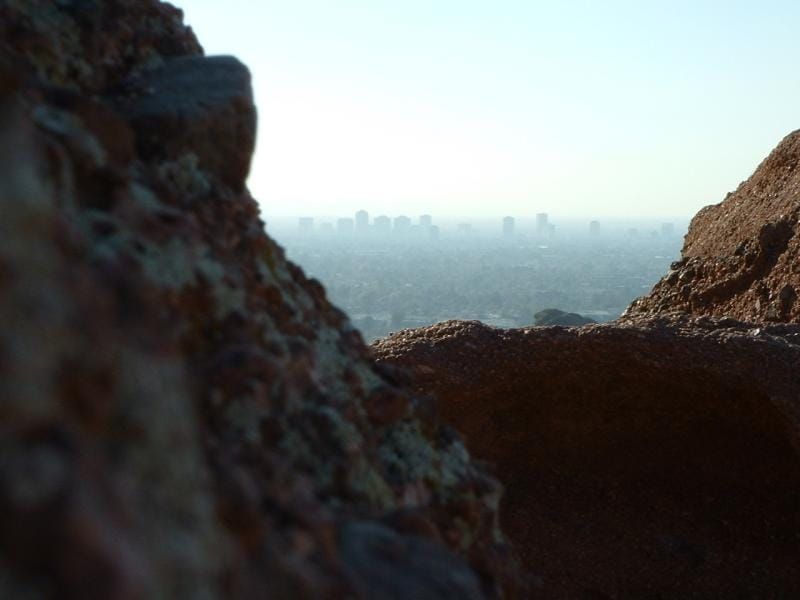
Arizona is a land known for its extremes. It is dry, brutally hot, and defined by scarcity. Yet cities like Phoenix and Tucson continue to grow, powered by a network of infrastructure that quietly works in the background every single day. To thrive in a landscape where water is scarce and the heat is relentless, humanity has had to rewrite the rules of geography. These five engineering feats are some of the pillars supporting modern life in the desert.
The Central Arizona Project: Moving Water Uphill Across the Desert

The Central Arizona Project, often just called CAP, is one of the most ambitious water delivery systems ever built in the United States. It stretches 336 miles from the Colorado River near Lake Havasu all the way to central and southern Arizona.
The most incredible part is not the distance. It is the elevation.
Water does not naturally flow toward Phoenix or Tucson from the Colorado River. It has to be pumped uphill, in some places more than 2,000 feet in total elevation gain. CAP relies on a series of massive pumping plants to push water across mountains and through the desert.
This system delivers Colorado River water to millions of people, as well as farms and industries. Without it, Phoenix as we know it would not be possible.
Salt River Project: The System That Made Phoenix Possible
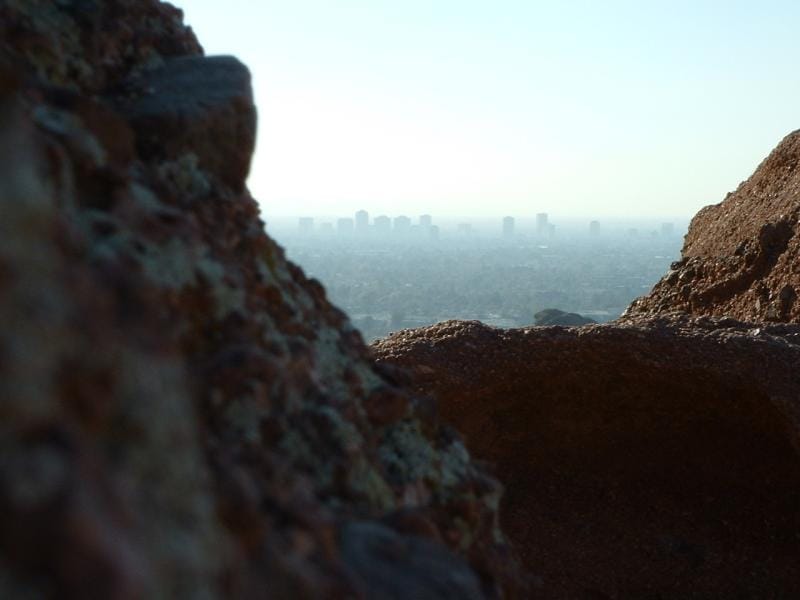
The Salt River Project is one of the most important and least appreciated engineering systems in Arizona. While many people point to a single structure, the reality is that Phoenix exists because of an entire network working together.
That network began with Theodore Roosevelt Dam, completed in 1911 as the first major federal reclamation project in the United States. It transformed the Salt River from a dangerous, unpredictable force into a controlled and dependable water source.
It did not stop at one dam. Over time, it expanded into a system of reservoirs, canals, and power infrastructure that manages water across the Salt River Valley.
Before this system, the region swung wildly between floods and drought. After it, water could be stored, routed, and delivered exactly where it was needed, making large-scale agriculture and urban growth possible.
More than a century later, it is still doing its job.
Hoover Dam: Controlling the Colorado River
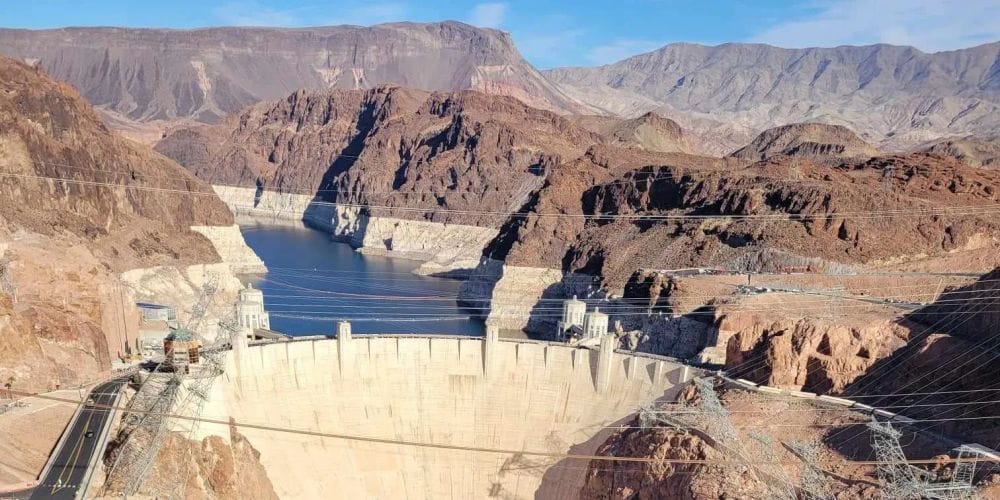
Hoover Dam is perhaps the most iconic engineering marvel in the American West Built during the Great Depression, it transformed the Colorado River from a wild and unpredictable force into a controlled resource.
The dam created Lake Mead, one of the largest reservoirs in the United States, giving Arizona and neighboring states a stable water supply. It also generates hydroelectric power that feeds into the regional grid.
For Arizona, Hoover Dam is not just a landmark. It is a cornerstone of the entire water system that supports the state.
Palo Verde Generating Station: Powering the Desert with Recycled Water
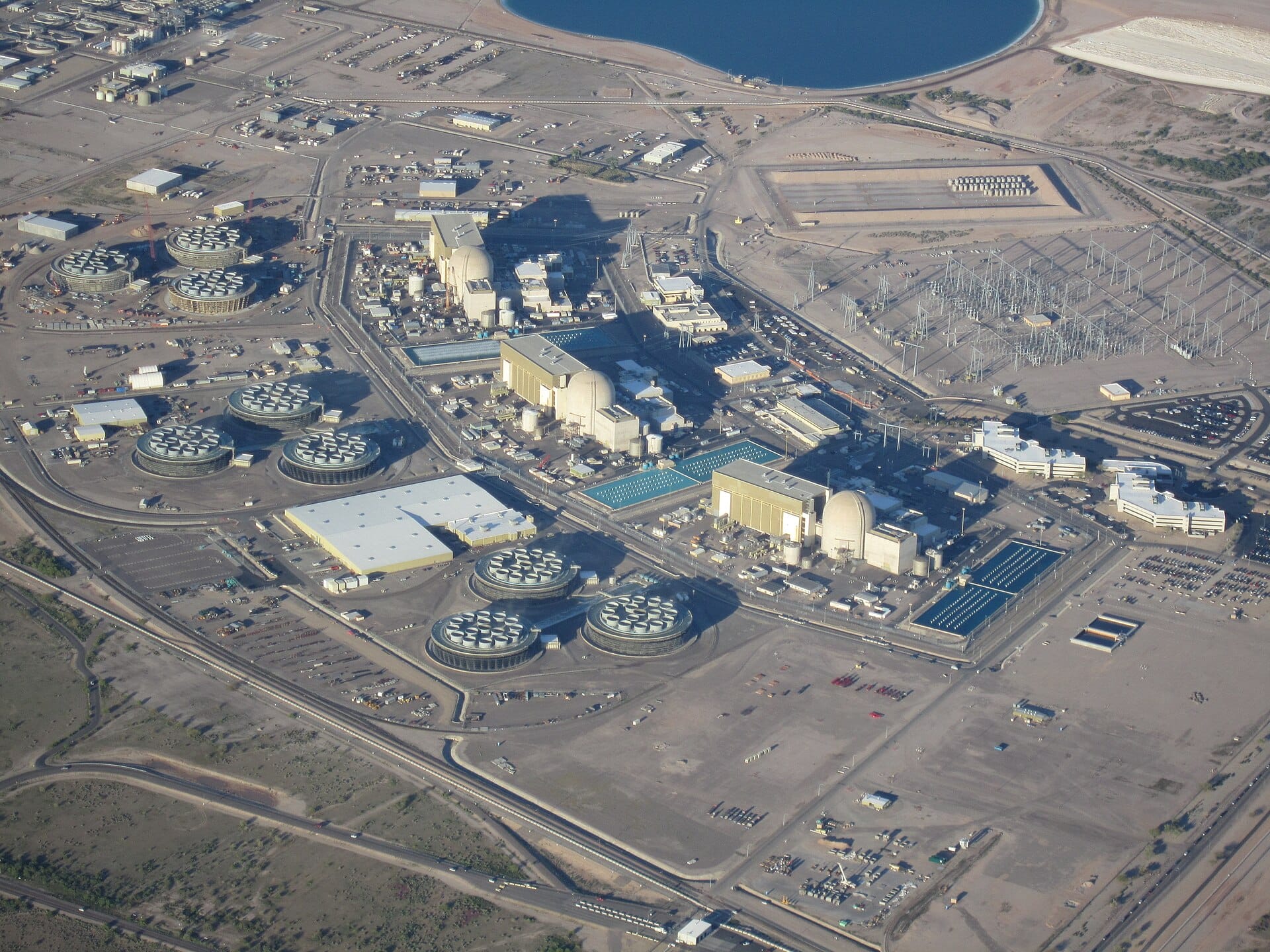
About 50 miles west of Phoenix sits the largest nuclear power plant in the United States. In a state defined by water scarcity, what makes Palo Verde remarkable is not just its size, but how it stays cool.
Most nuclear plants rely on nearby rivers, lakes, or oceans for cooling. Palo Verde has none of those. Instead, it uses treated wastewater from the Phoenix metro area.
Every day, millions of gallons of reclaimed water are piped to the plant and used to cool its reactors. This approach allows Arizona to generate massive amounts of electricity without tapping into its limited freshwater supplies.
It is one of the most unique and efficient adaptations to desert conditions anywhere in the world.
Managed Aquifer Recharge: Banking Water Underground
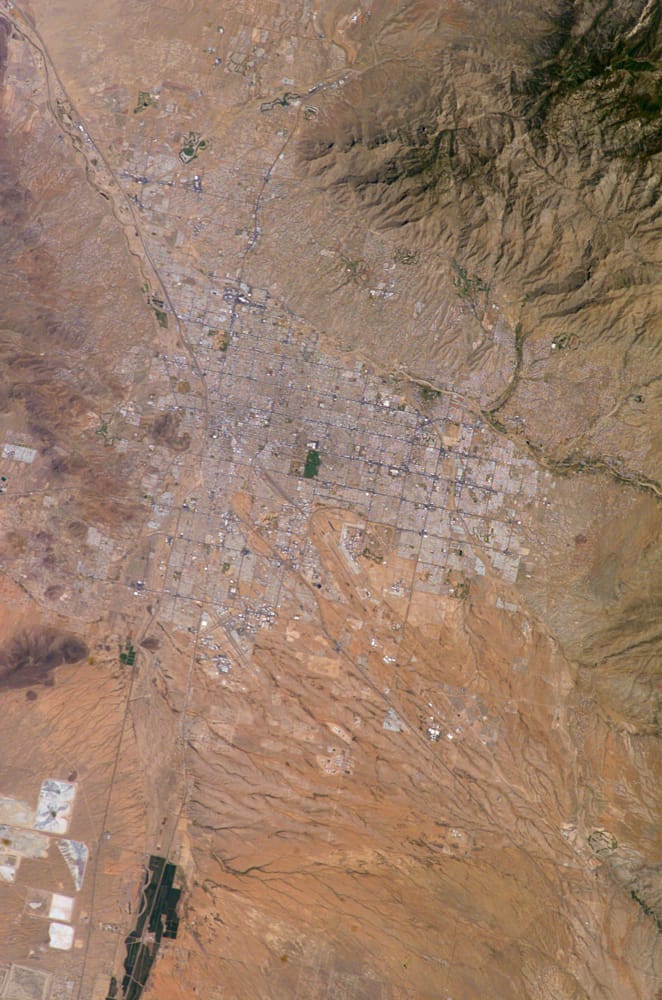
Not all of Arizona’s engineering happens above ground.
Managed Aquifer Recharge, or MAR, is the process of storing excess water underground in natural aquifers. During times when water is available, such as when CAP deliveries are strong, water is intentionally directed into recharge basins where it seeps into the ground.
This creates a kind of underground savings account.
When drought conditions hit or demand increases, that stored groundwater can be pumped back out and used. It also helps stabilize groundwater levels and prevents long-term depletion.
In a state where every drop matters, MAR is one of the smartest and least visible tools keeping Arizona sustainable.
The Systems You Don’t See
Arizona’s survival is not an accident. It is the result of layered systems working together: dams controlling rivers, canals crossing deserts, power plants adapting to scarcity, and water stored out of sight beneath the ground.
Most people never think about these systems. They turn on the tap, flip a switch, and go about their day.
But in Arizona, every one of those moments depends on engineering.
Subscribe to Roam Arizona
Sign up to get new Arizona stories, hidden gems, and updates delivered to your inbox.
You’re officially on the trail.
Peek at your inbox (or the spam gulch) for your first map.