Top 5 Architectural Gems of Historic Tucson

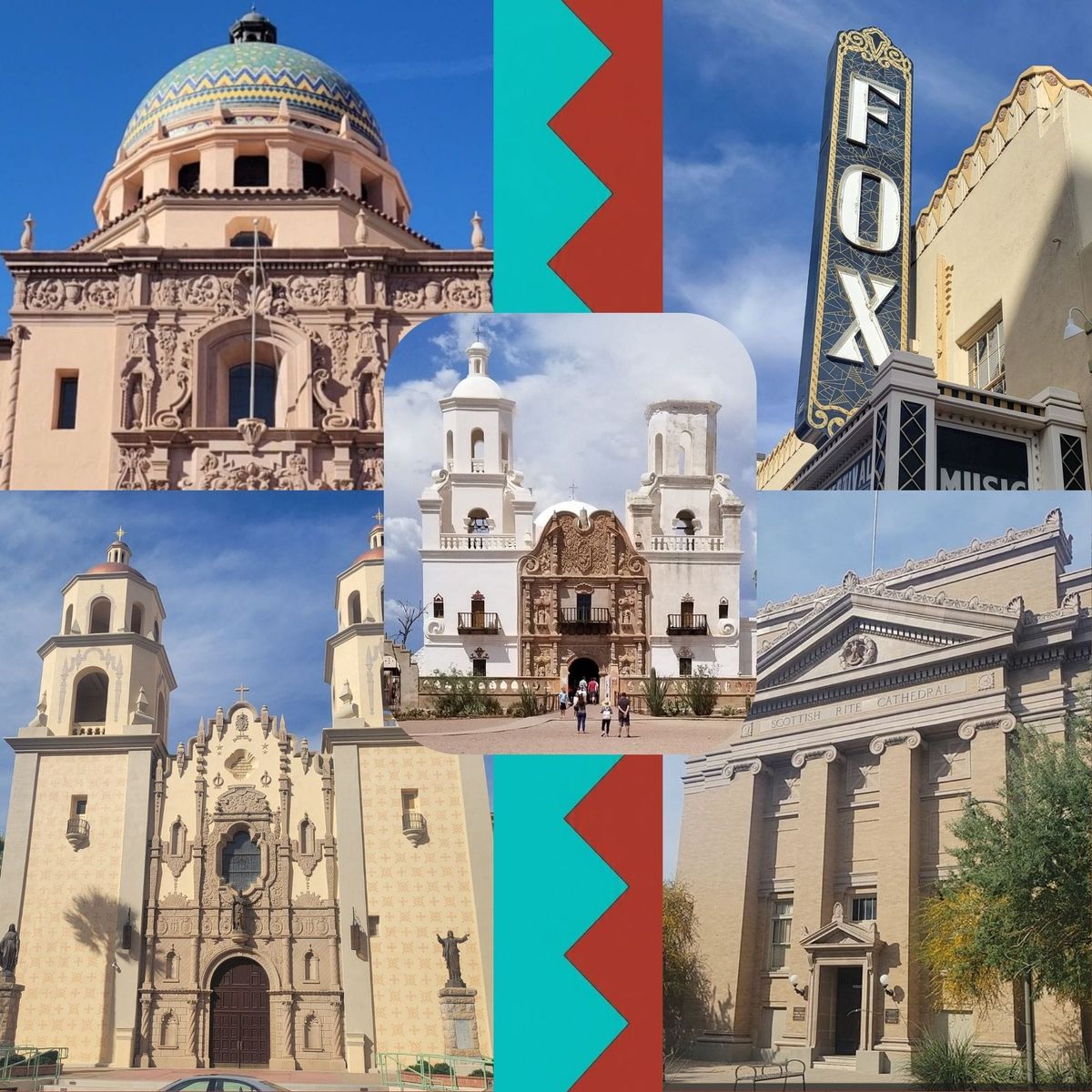
Tucson is a city that wears its history openly. From the sun-bleached desert floor to the bustling heart of downtown, the local architecture tells a story where Spanish missions, territorial churches, Art Deco theaters, and unexpected classical buildings all exist within a few miles of each other. It should not work. Somehow it does. These buildings are not just relics of the past; they are the physical layers of a unique desert identity.
To truly understand the character of the Old Pueblo, one must slow down and look up. These five landmarks represent the absolute best of the region's craftsmanship and heritage.
1. Mission San Xavier del Bac
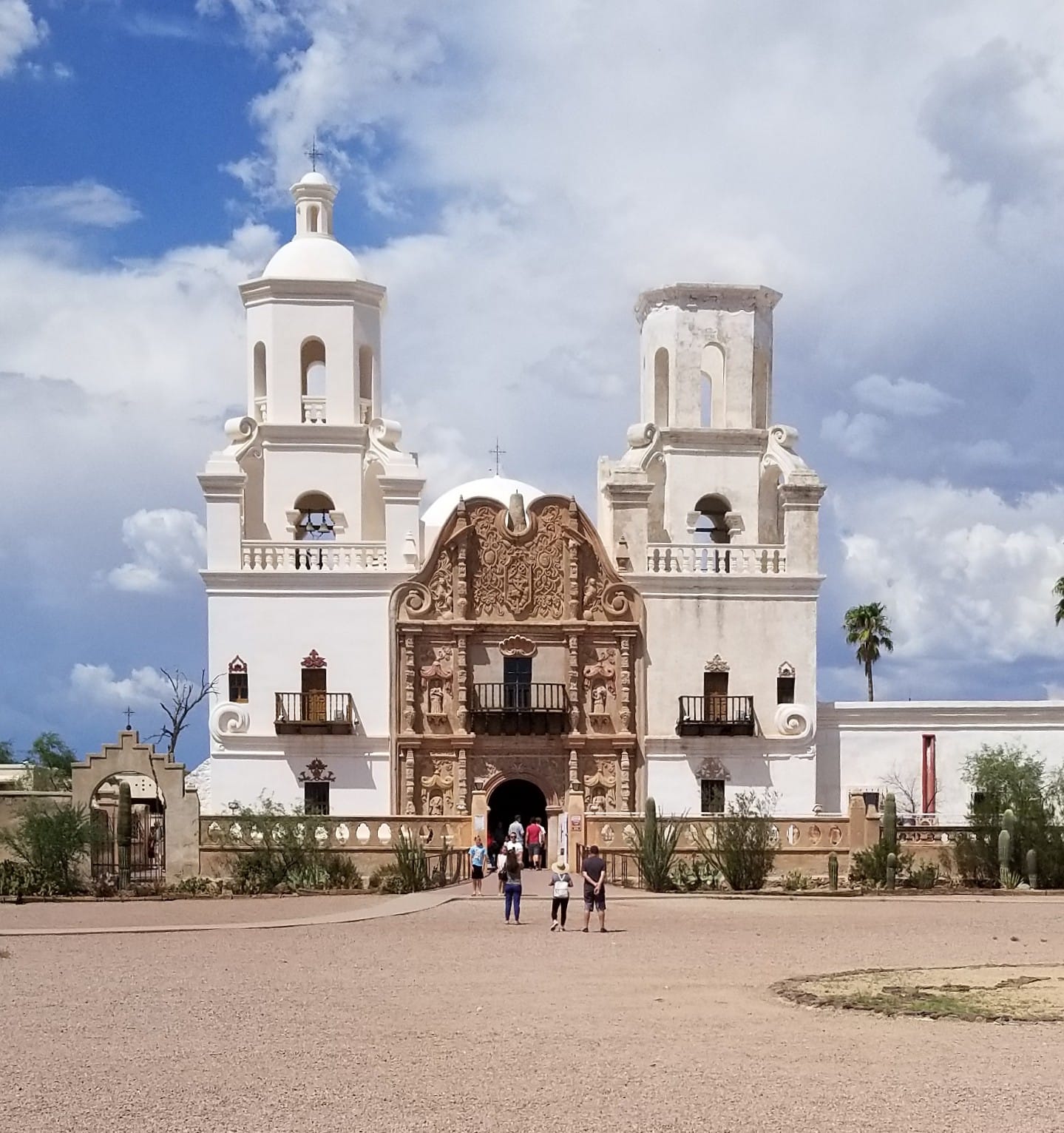
Located just south of the city on the Tohono O’odham Nation, Mission San Xavier del Bac is not only a masterpiece of architecture but also one of the oldest European structures in Arizona. Set against the open desert just south of Tucson, Mission San Xavier del Bac stands out immediately. The bright white exterior almost glows, especially in the early morning or late afternoon. It looks clean and simple from a distance. That illusion disappears the second you get closer.
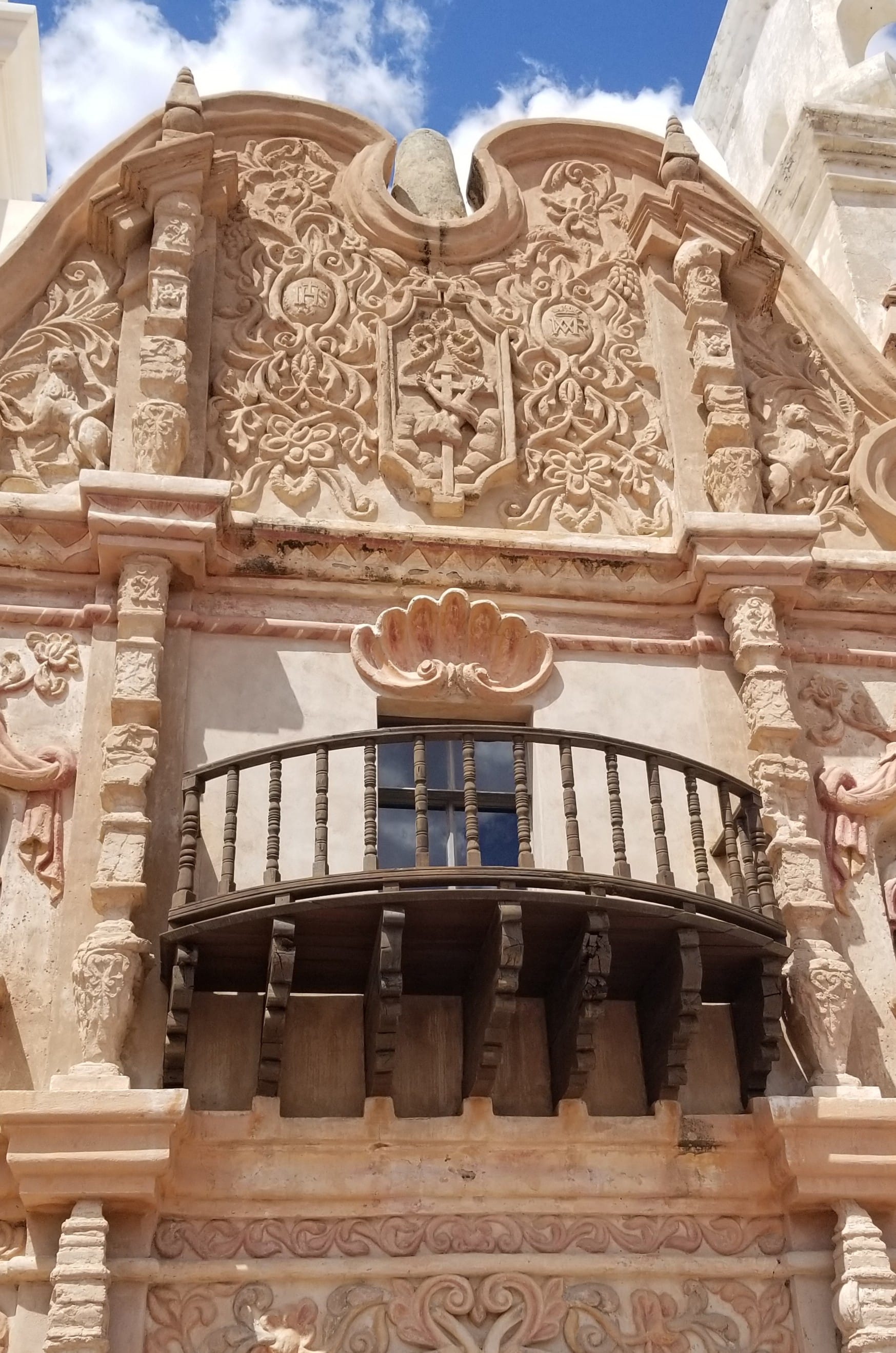
It is a premier example of Spanish Colonial Baroque design. The front is packed with detail. Carvings, niches, religious figures, and ornamentation all compete for your attention. It was founded in the late 1600s, with the current structure completed in the late 1700s. That alone puts it in a different category from most buildings in Arizona.
Step inside and it changes again. The interior is dense with color and texture. Painted walls, gold accents, and religious imagery cover almost every surface. It feels immersive in a way that modern buildings rarely achieve. Even if you are not religious, it is hard not to feel something here.
What makes it even more impressive is that it is still active. This is not a preserved shell or a museum piece. It is a working church that has been in continuous use for generations.
If you only visit one building on this list, this is the one.
Why it’s essential:
- The Facade: Its brilliant white, lime-washed walls glow against the intense blue Arizona sky. This aesthetic is so striking that it earned the building its nickname, The White Dove of the Desert.
- The Folk Baroque Interior: Inside, the lighting is dim, contrasting with the exterior blinding light, creating an instantly solemn atmosphere. Every surface is covered. The main altar is a riot of carved wood, gold leaf, and dozens of statues. It is a stunning example of complex, integrated art.
2. Pima County Courthouse
If San Xavier represents the sacred past, the Pima County Courthouse represents modern civic heritage. Located right in the middle of downtown, its Spanish Colonial Revival architecture is the visual center of the city's legal history.
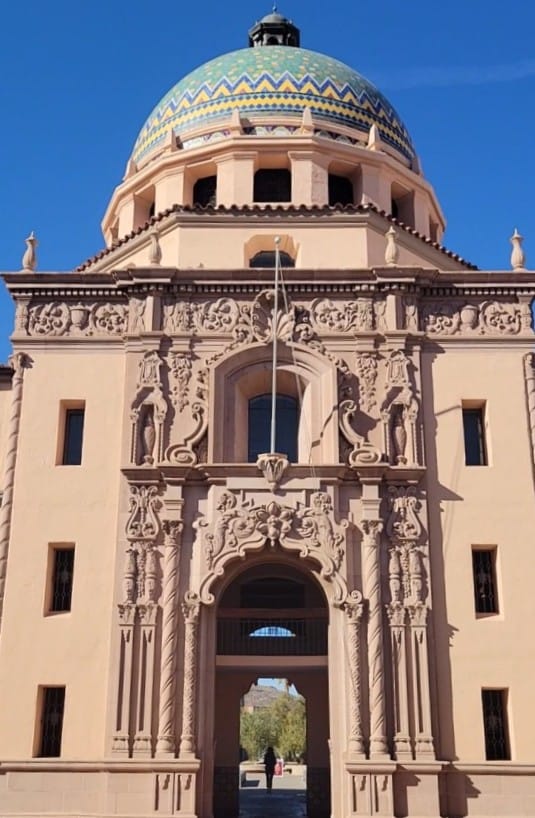
Built in 1929, the courthouse is a near perfect example of Spanish Colonial Revival architecture. Everything about it feels intentional. The arches line up cleanly. The courtyard is balanced. The landscaping frames the building instead of competing with it. That tiled dome has become one of the defining images of Tucson. Bright colors, geometric patterns, and a shape that stands out immediately against the skyline.
Why it’s essential:
- The Iconic Mosaic Dome: The dome is clad in thousands of vibrant, geometrically arranged tiles: shimmering blues, golden yellows, rich oranges, and greens. When the Tucson sun hits this dome, it radiates. It is easily one of the city's most cheerful landmarks.
- The Courtyard Sanctuary: Step inside the arched gateways to find a perfect, Mediterranean-style oasis. The courtyard features a large, ornate tile fountain, mature palm trees, and more. It remains one of the finest public spaces in the Southwest, often used as a quiet, cool escape during busy downtown days.
3. St. Augustine Cathedral
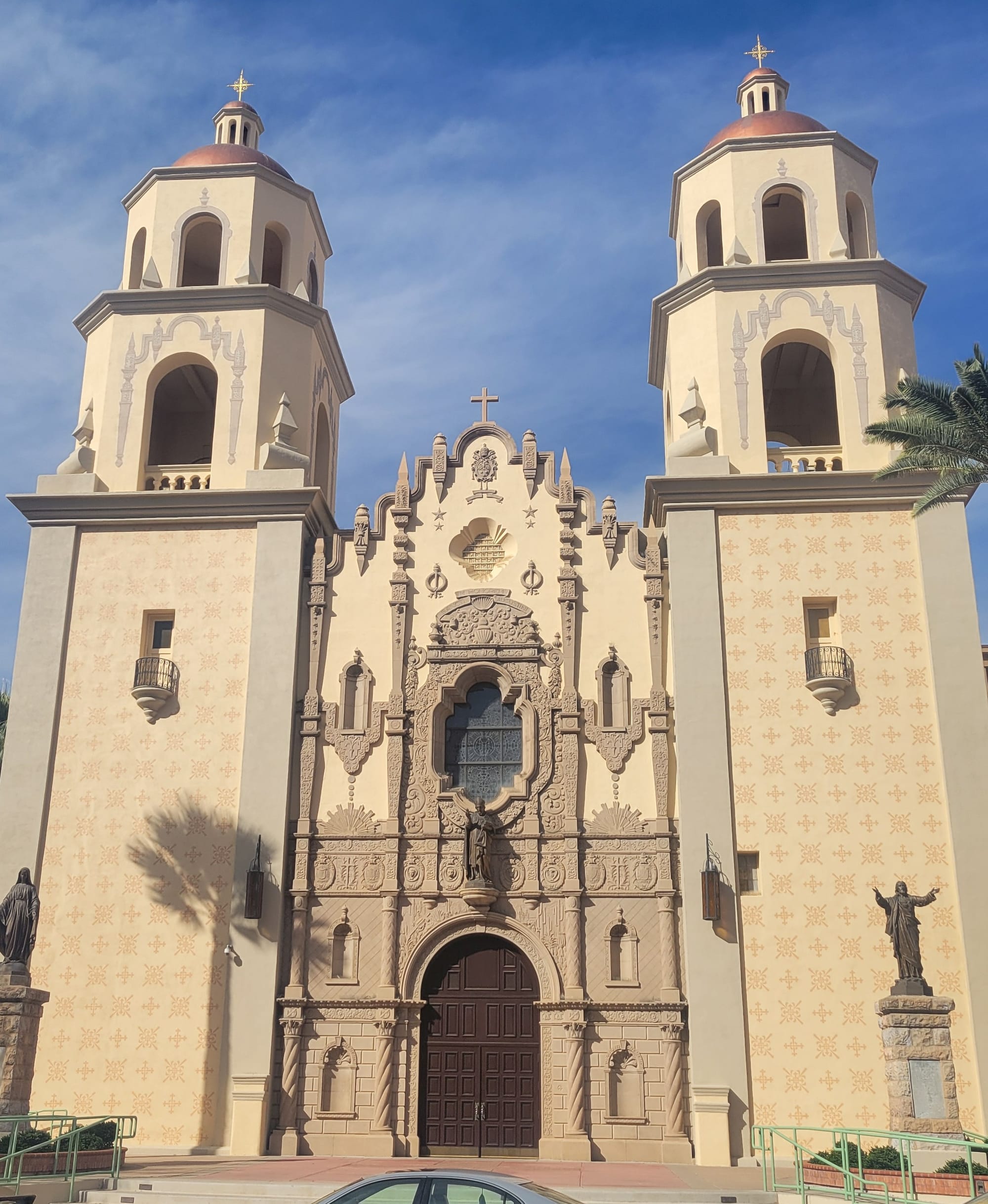
There is something deeply poetic about the St. Augustine Cathedral. Since the first cornerstone was laid in the mid-19th century, this building has gone through several cycles of construction, partial demolition, and triumphant rebuilding.
The defining feature of this cathedral is the incredible Mexican Baroque Facade that frames its entrance. This section was crafted by artisans in Sonora and moved and preserved during the extensive 1960s reconstruction of the entire structure. It feels connected to a different era and a different place, which makes sense given Tucson’s deep ties to Mexico.
Why it’s essential:
- The Carved Narrative: Spend time studying the intricate stone relief carvings. You won't just see typical religious figures; you will find local elements.
- A Symbol of Endurance: The facade survived because the community insisted on its preservation. It is a beautiful fusion of high-concept Baroque complexity and a direct appreciation of the local desert environment.
4. The Fox Tucson Theatre
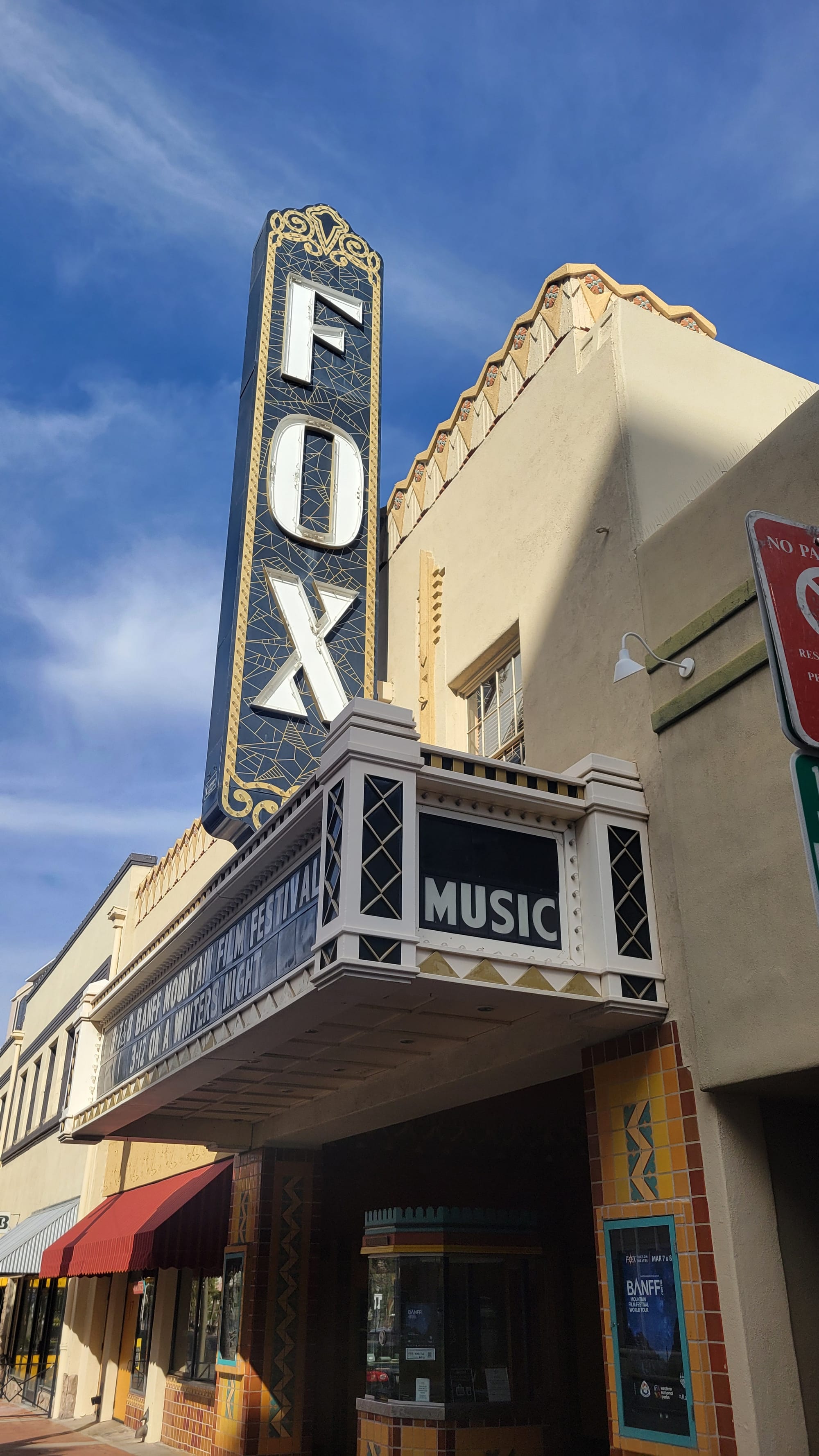
The Fox, completed in 1930, is one of the best examples of Art Deco design in the Southwest. Traditional Art Deco elements are all here. Clean lines, bold shapes, and a sense of movement in the design. What makes the Fox different is how those elements are blended with desert colors and regional influences. It feels like it belongs in Tucson, not just dropped in from another city.
The history here is just as interesting as the design. The theater fell into serious disrepair in the late 20th century and was nearly lost. A major restoration effort brought it back, and today it looks remarkably close to its original form. It is not just a historic building. It is an active venue again, which gives it energy that a lot of restored places lack.
Why it’s essential:
- Southwestern Deco Masterclass: Traditional Art Deco is known for geometric shapes and industrial motifs. The Fox Theatre incorporates regional color palettes with Navajo and Mayan patterns, integrated into the classic geometric style.
- The Sensory Lobbies: Every inch of the Fox is designed to impress. The entryways serve as a transition into a different era. From the intricate ceiling details to the polished accents, the lobbies reflect the high standards of 1930s Southwestern design.
5. Scottish Rite Cathedral
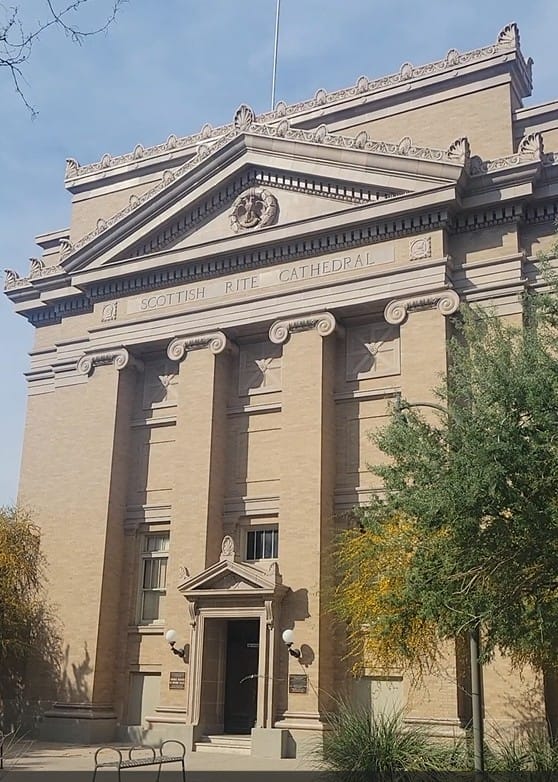
Standing monolithically on S. Scott Avenue, the Scottish Rite Cathedral provides the counterpoint to the city’s more festive revival and Deco styles. This massive Neoclassical building is a testament to the influence and architectural impact of Tucson's fraternal organizations in the early 20th century.
Columns dominate the front. The symmetry is exact. The scale feels larger than you expect for Tucson. It looks more like something you would find in a much older city back east. If you are walking through downtown, it is worth stopping here just to appreciate how different it feels from everything else around it.
Why it’s essential:
- Neoclassical Might: This building is a serious statement. It is defined by its symmetry and its row of massive, 40-foot fluted Ionic columns. Its heavy concrete structure in an area otherwise bustling with color and movement.
- Feeling of Permanence: The Scottish Rite Cathedral look like it was meant to last centuries in the harsh climate. It feels genuinely indestructible.
Lasting Impact of Tucson’s Architecture
These five landmarks offer more than just photo opportunities. From the Spanish Colonial influence at the Mission to the Neoclassical weight of the Scottish Rite, each structure represents a different chapter of the city's growth. Taking the time to walk the streets and observe the craftsmanship allows for a deeper connection to the history that defines the Old Pueblo. Whether a visitor or a long-time resident, there is always a new detail to discover in the skyline.
Subscribe to Roam Arizona
Sign up to get new Arizona stories, hidden gems, and updates delivered to your inbox.
You’re officially on the trail.
Peek at your inbox (or the spam gulch) for your first map.