Arizona's Native Languages

Long before Arizona became a state, hundreds of generations of Native people lived across its deserts, mountains, canyons, and forests. Along with their unique traditions and cultures came a rich variety of languages, many of which are still spoken today. Arizona remains one of the most linguistically diverse states in the country, with Native languages that have survived centuries of change, conflict, and outside influence.
These languages are more than ways to communicate. They carry history, stories, beliefs, and connections to the land. While some face challenges from declining numbers of fluent speakers, many tribes are actively working to preserve and revitalize their ancestral languages for future generations.
A State Rich in Indigenous Languages
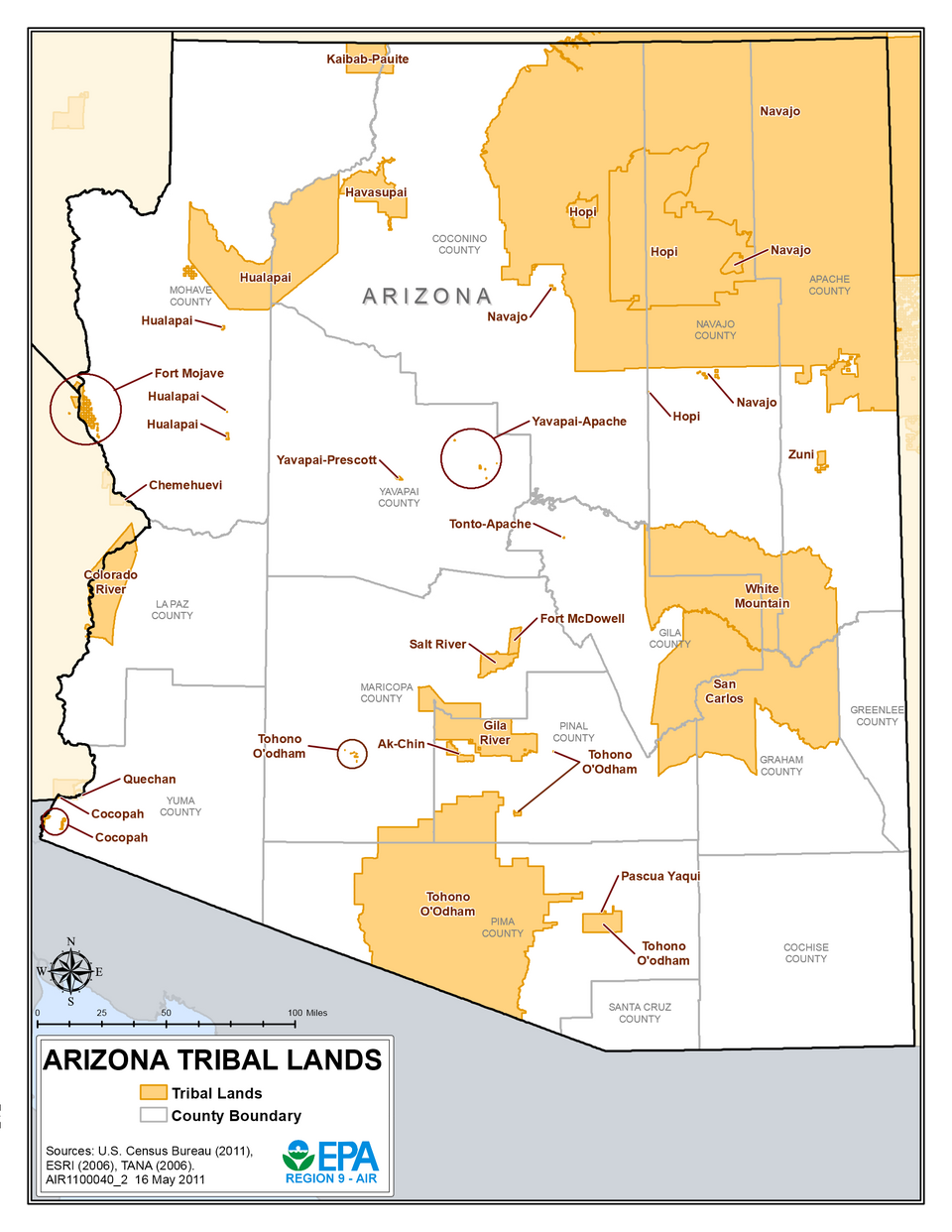
Arizona is home to 22 federally recognized tribes, and many have their own distinct languages. Some of the best known include Navajo, Hopi, Apache, O'odham, Yaqui, Yavapai, Havasupai, Hualapai, and Zuni.
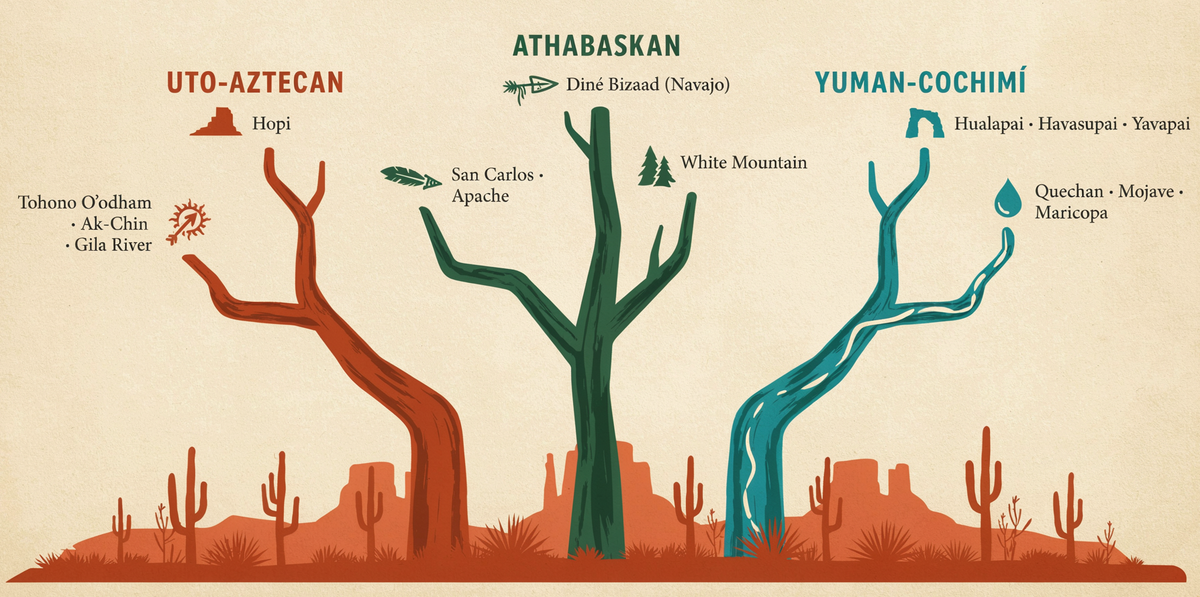
Unlike many European languages that share common roots, Arizona's Native languages often belong to entirely different language families. This means they can sound dramatically different from one another and follow completely different grammatical structures.
A speaker of Navajo would not automatically understand Hopi, just as a speaker of English would not necessarily understand someone speaking Japanese. Each language developed independently over centuries and reflects the unique history of its people.
Navajo: Arizona's Most Widely Spoken Native Language
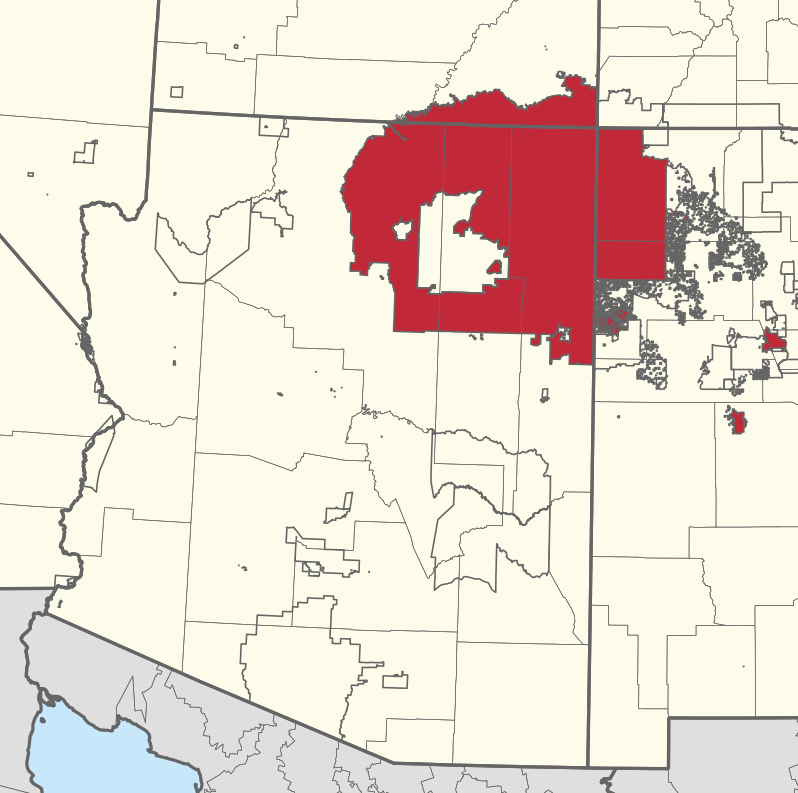
The Navajo language remains the most widely spoken Native American language in the United States. Known to its speakers as Diné Bizaad, it is used throughout the vast Navajo Nation, which stretches across northeastern Arizona, northwestern New Mexico, and southeastern Utah.
Navajo gained national attention during World War II when Navajo Code Talkers used the language to create an unbreakable military code. Since the language was largely unknown outside the Navajo community and possessed a complex structure, it proved invaluable to the U.S. military during combat operations in the Pacific.
Today, many Navajo families continue to speak the language at home, and schools throughout the Navajo Nation offer language education programs designed to help younger generations maintain fluency.
The Ancient Language of the Hopi
The Hopi people have lived on the mesas of northern Arizona for centuries, and their language remains a central part of tribal identity. Hopi is considered one of the oldest continuously spoken languages in the Southwest.
Traditional Hopi ceremonies, songs, and oral histories are deeply connected to the language. Many cultural teachings lose important meaning when translated into English, making language preservation a priority within the community.
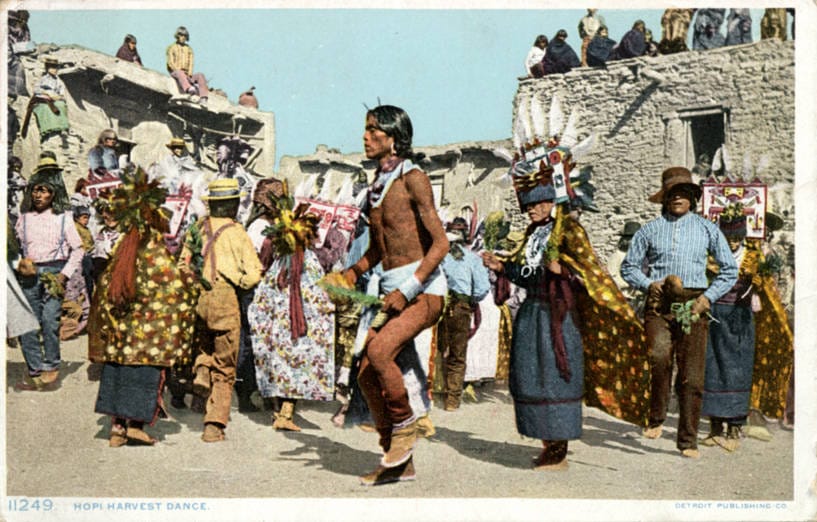
Schools and cultural organizations continue to develop educational materials and language programs aimed at encouraging younger Hopi citizens to learn and use their ancestral language.
The O'odham Languages of Southern Arizona
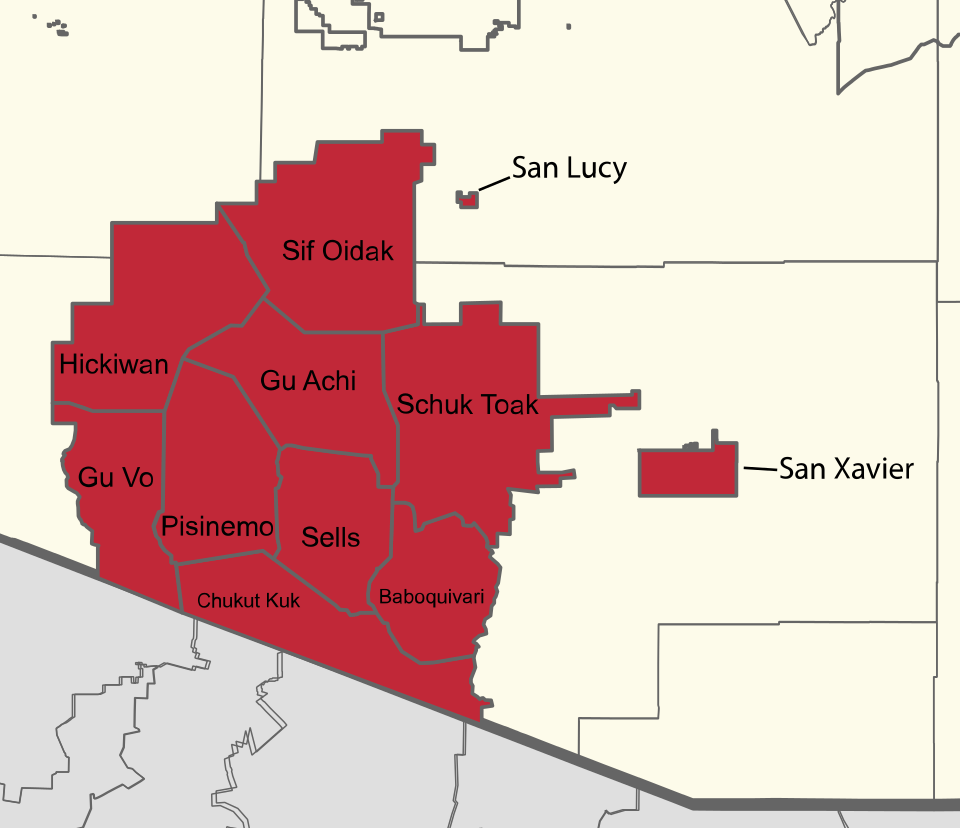
Southern Arizona is home to the Tohono O'odham and Akimel O'odham peoples. Their language, often referred to simply as O'odham, has been spoken across the Sonoran Desert for centuries.
The word "O'odham" means "the people," and the language reflects a deep relationship with the desert environment. Traditional vocabulary includes detailed knowledge about local plants, animals, weather patterns, and seasonal cycles that have sustained communities in one of North America's harshest landscapes.
Language preservation efforts have expanded in recent decades through dictionaries, educational programs, recordings, and digital resources.
Apache Languages Across Arizona
Several Apache tribes call Arizona home, including the White Mountain Apache, San Carlos Apache, and Tonto Apache communities. Their languages belong to the Southern Athabaskan family, which also includes Navajo.
Although related, Apache languages and Navajo are distinct. Different dialects and tribal histories have produced unique forms of speech and cultural expression.
Many Apache communities continue to invest in language education, recognizing that language is essential to preserving tribal identity and cultural knowledge.
Language and the Land
One of the most fascinating aspects of Arizona's Native languages is how closely they are tied to specific landscapes. Place names often describe physical features, historical events, or cultural significance in ways that English translations cannot fully capture.
Mountains, springs, canyons, and migration routes frequently have names that tell stories about their importance to local communities. These names preserve generations of knowledge about the environment and the people who lived within it. For many tribes, language serves as a living map that connects people to their homeland.
Challenges and Preservation Efforts
Like many Indigenous languages throughout North America, Arizona's Native languages faced significant challenges during the nineteenth and twentieth centuries. Government boarding schools often discouraged or prohibited Native children from speaking their traditional languages.
As a result, some languages experienced a decline in fluent speakers.
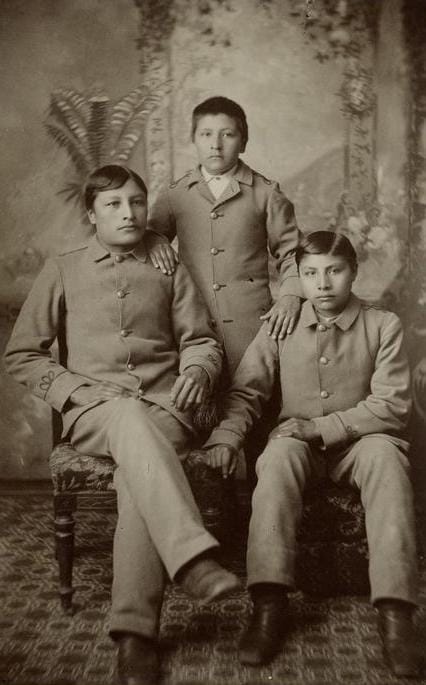
Today, tribes across Arizona are leading efforts to reverse that trend. Language immersion schools, community classes, online learning tools, recorded oral histories, and youth programs are helping preserve these languages for future generations.
Technology has also become an important tool. Mobile apps, digital dictionaries, and online lessons now make language learning more accessible than ever before.
A Living Heritage
Arizona's Native languages are not relics of the past. They remain living languages spoken in homes, schools, ceremonies, and communities throughout the state.
Each language carries a unique worldview shaped by centuries of experience in the Southwest. Together, they represent one of Arizona's most important cultural treasures.
Whether heard during a tribal celebration, spoken among family members, or taught in a classroom, these languages continue to connect people to their history, their communities, and the landscapes that have shaped their lives for generations.
Subscribe to Roam Arizona
Sign up to get new Arizona stories, hidden gems, and updates delivered to your inbox.
You’re officially on the trail.
Peek at your inbox (or the spam gulch) for your first map.