Arizona Doesn’t Observe Daylight Saving Time (Mostly): What Travelers Should Know

Arizona’s clock situation is an easy bit of trivia until your phone shows one time and your tour confirmation shows another. Most of the state never changes its clocks. However, if your road trip includes Hoover Dam, Antelope Canyon, or Navajo Nation destinations, it pays to check the time before you head out.
How Arizona opted out
Daylight Saving Time became national policy during World War I, when the United States adopted it as a way to conserve fuel. The policy was repealed after the war, then brought back during World War II. In 1966, Congress passed the Uniform Time Act to standardize when clocks would change, while allowing states to opt out.
Arizona tried Daylight Saving Time from April to October in 1967. After that trial, the state chose to stay on standard time year round. The summer heat was a major reason. Later sunsets meant people would be active during a hotter part of the evening, and air conditioning could run longer. Arizona law keeps the state on standard Mountain Time.
When Arizona’s clock matches its neighbors
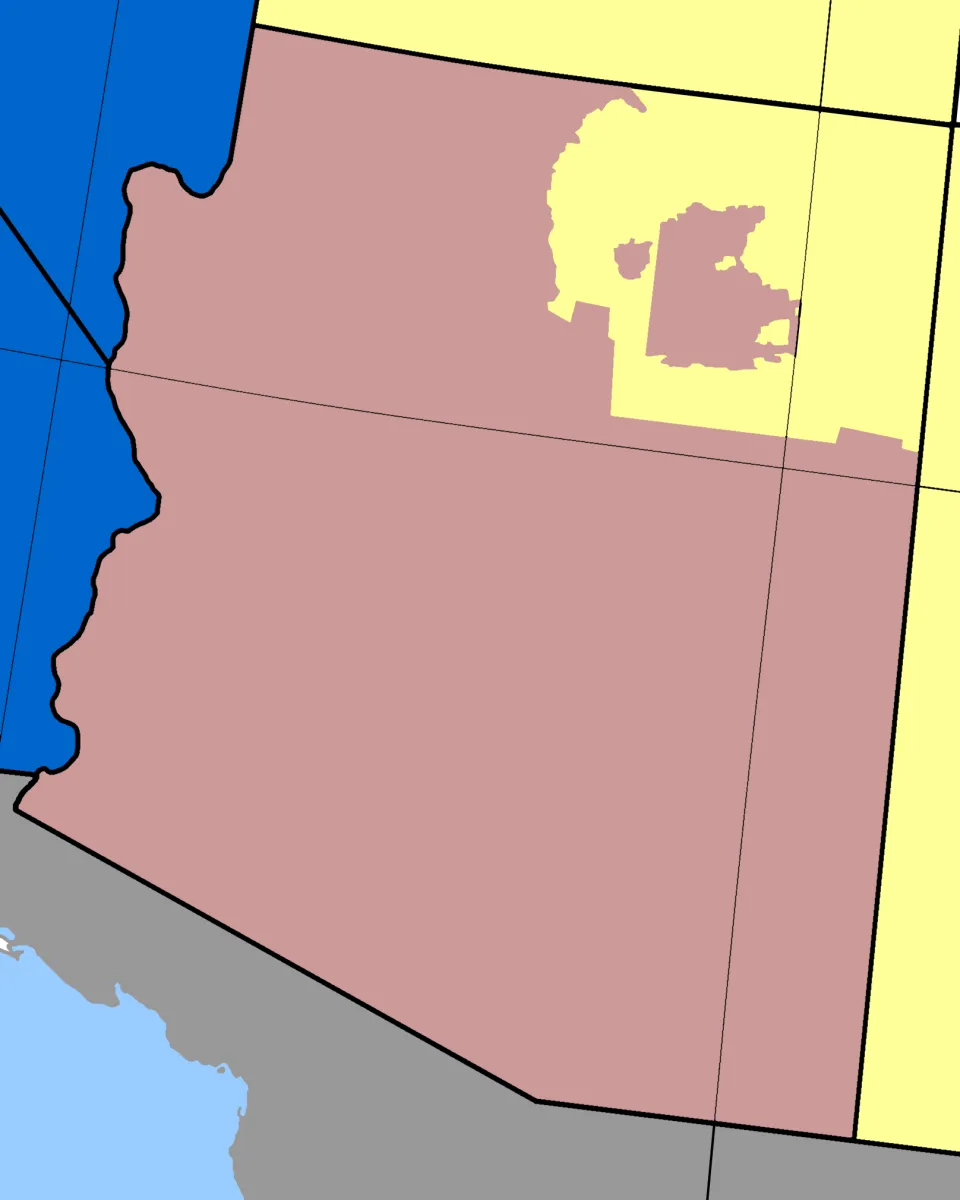
Phoenix, Tucson, Flagstaff, Sedona, and most of Arizona stay on Mountain Standard Time all year. The state does not spring forward or fall back when other places change their clocks.
That means Arizona’s time difference with nearby states shifts during the year. While Daylight Saving Time is in effect, most of Arizona matches California and Nevada, and is one hour behind Colorado, Utah, and New Mexico. In winter, Arizona matches Colorado, Utah, and New Mexico, and is one hour ahead of California and Nevada.
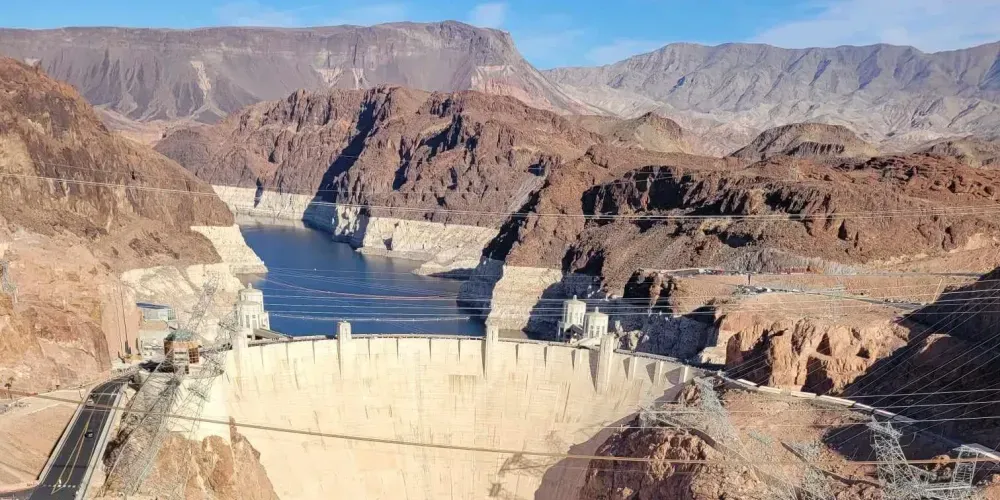
Hoover Dam sits on the time zone line
Hoover Dam straddles the Arizona and Nevada border. Its official visitor information lists visitor center hours in Pacific time. During Daylight Saving Time, that matches the clock in most of Arizona. In winter, Nevada is one hour behind Arizona. Check the time listed for your tour or visit, particularly if you are driving from Las Vegas.
Antelope Canyon uses Page time for planning
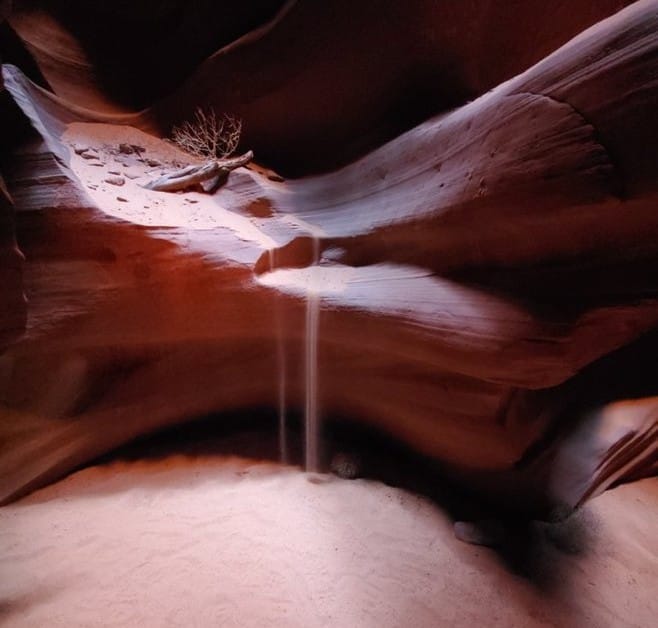
Antelope Canyon is on Navajo Nation land, but tours around Page generally use Arizona time. The National Park Service recommends setting your device to Arizona time for reservations at Upper or Lower Antelope Canyon, Page, and places within Glen Canyon. Check your booking confirmation and follow the tour operator’s instructions. Your phone may change its displayed time automatically while you travel.
The Navajo Nation and Hopi Reservation
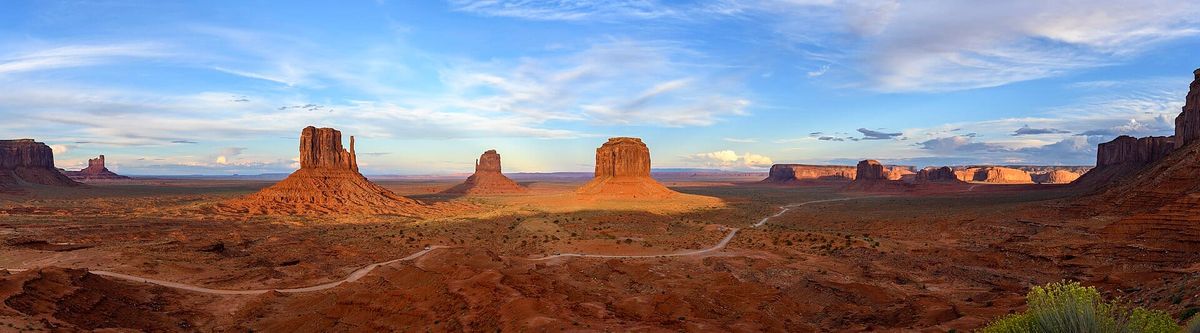
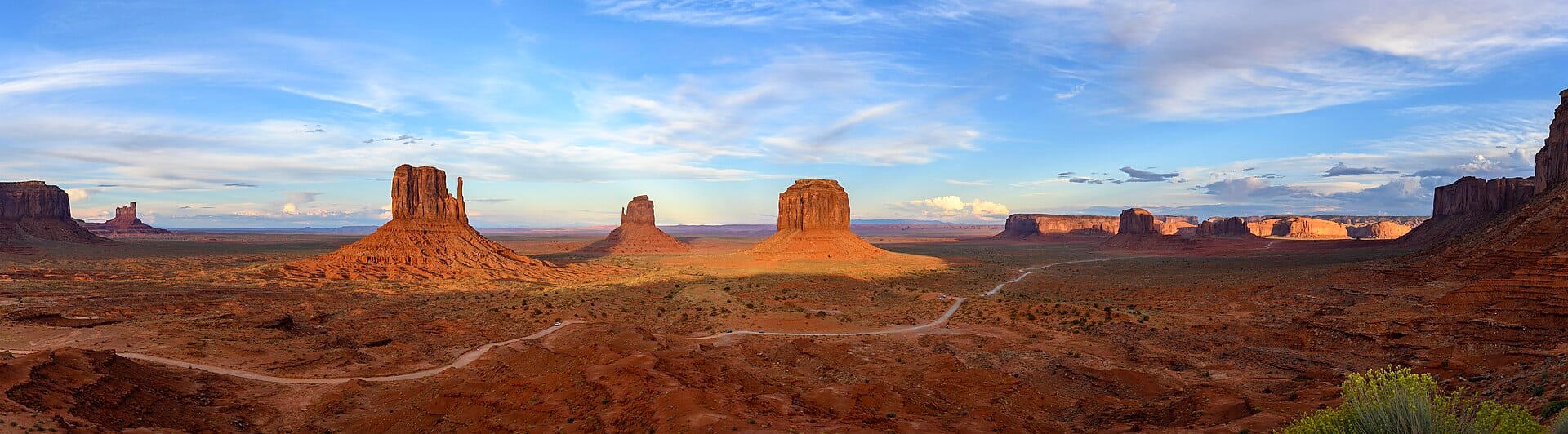
The Navajo Nation observes Daylight Saving Time to stay on the same time as many Diné communities and services in Utah and New Mexico. During that part of the year, many Navajo Nation destinations are one hour ahead of Phoenix and most of Arizona. Monument Valley, Canyon de Chelly, and Navajo National Monument are places where travelers should confirm the local time before booking a tour or setting out for the day.
The Hopi Reservation, surrounded by Navajo Nation land, stays on standard time. If your route takes you between Hopi and Navajo communities, check the time for each stop.
For most trips, the rule is straightforward: Phoenix, Tucson, Flagstaff, Sedona, and Page do not change their clocks. The farther your itinerary reaches into northeastern Arizona, the more useful it is to check the destination’s time directly. For tours, follow the time on your confirmation and contact the operator if it is unclear.
Before you go
Arizona’s clocks may stay put, but a road trip can cross several time boundaries in a single day. Check the time for your destination before you leave, then enjoy the drive. The red rocks will keep their own schedule.
Subscribe to Roam Arizona
Sign up to get new Arizona stories, hidden gems, and updates delivered to your inbox.
You’re officially on the trail.
Peek at your inbox (or the spam gulch) for your first map.