5 Fascinating Jobs You Can Only Really Find in Arizona

Arizona is more than just saguaros, canyons, and relentless sunshine. If you look past the postcard views, you’ll find a state where the jobs are just as rugged and unusual as the landscape itself. A specialized workforce that operates on the fringes of science and tradition has developed. From engineers helping launch giant balloons into the edge of space to ranchers raising birds that can outweigh a linebacker, Arizona offers careers that are anything but ordinary. Here are five jobs that showcase just how different working in the Grand Canyon State can be.
Stratollite Chief Engineers
When most people think about space exploration, they picture rockets blasting off from Florida. Arizona has carved out its own place in aerospace through a very different approach.
World View, based in Tucson, develops Stratollites, high-altitude balloon systems that carry scientific instruments, communications equipment, and research payloads into the stratosphere. These balloons can remain at high altitudes for days or even weeks, providing an affordable alternative to satellites for certain missions.
Behind every successful flight is a team of chief engineers and aerospace specialists responsible for designing, testing, and monitoring these sophisticated systems. They must solve complex challenges involving extreme temperatures, thin air, navigation, and communications while ensuring the payload safely returns to Earth.
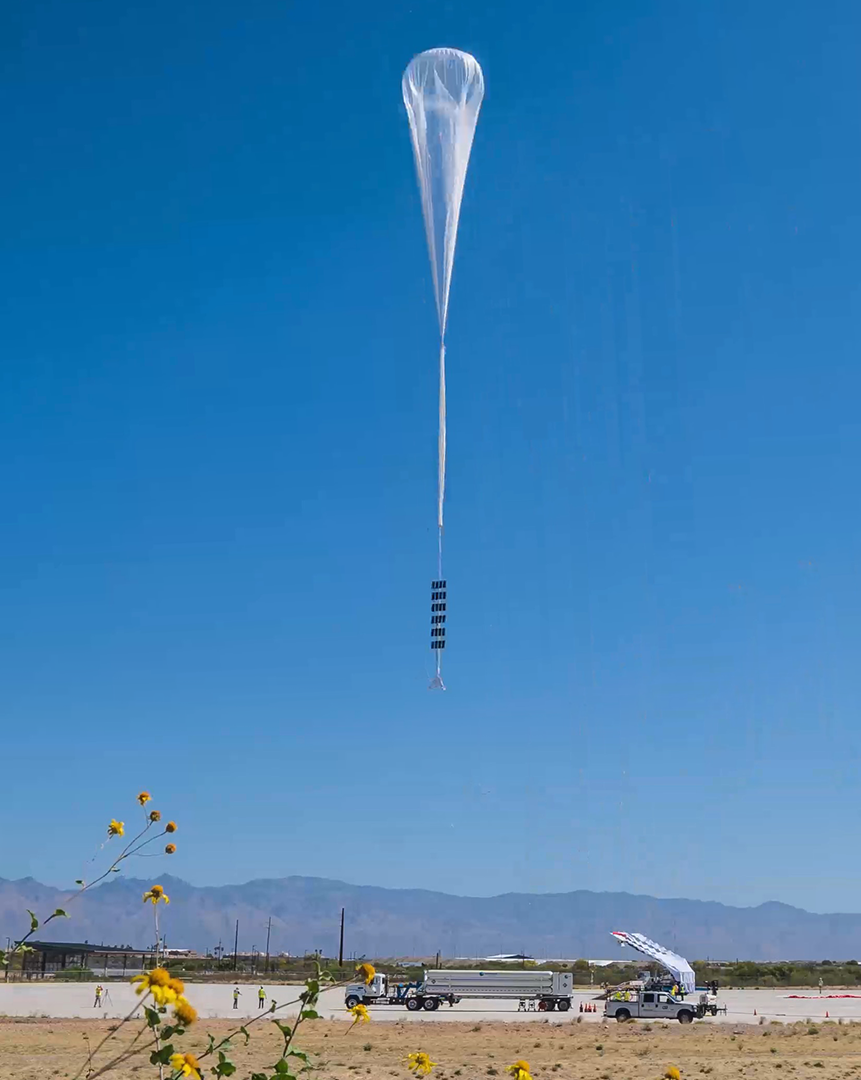
It is one of the few careers where your office is in the Sonoran Desert, but your work routinely reaches the edge of space.
Dark Sky Compliance Officers
Arizona boasts some of the darkest skies in the United States, making it a global destination for astronomy. Protecting those skies takes more than public awareness. It also requires professionals dedicated to reducing light pollution.
Dark Sky Compliance Officers work with municipalities, businesses, developers, and homeowners to ensure outdoor lighting follows local ordinances designed to preserve nighttime darkness. They review lighting plans for new developments, inspect existing installations, and educate property owners about fixtures that minimize glare and unnecessary sky glow.
Communities such as Flagstaff, the world's first International Dark Sky City, have shown how careful lighting policies can protect astronomical research while still keeping streets and neighborhoods safe.
Biosphere 2 Researchers and Operations Staff
Just north of Tucson sits one of the most unusual research facilities on Earth.
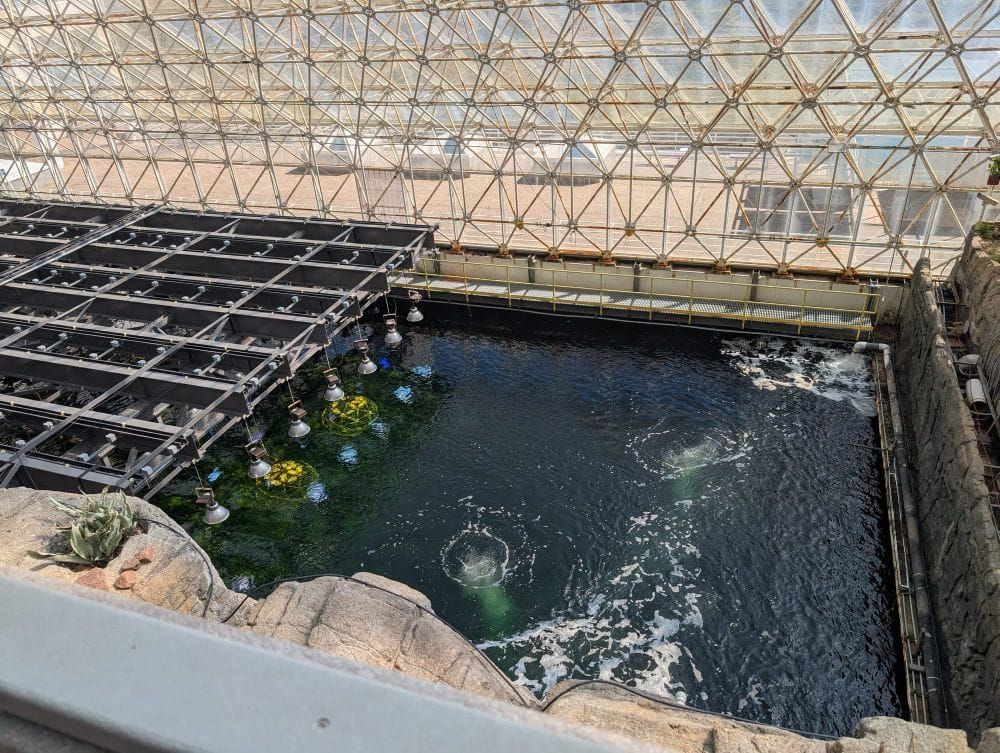
Biosphere 2 was originally built in the late 1980s as a massive sealed ecosystem designed to explore whether humans could live in a self-contained environment. While that original experiment has long since ended, the facility has evolved into a world-renowned research center operated by the University of Arizona.
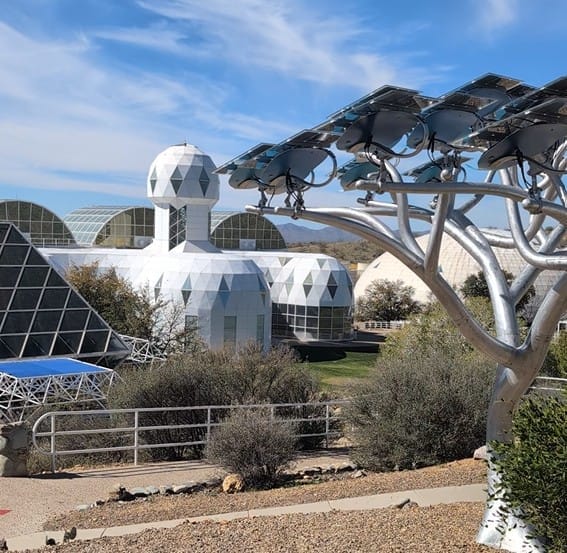
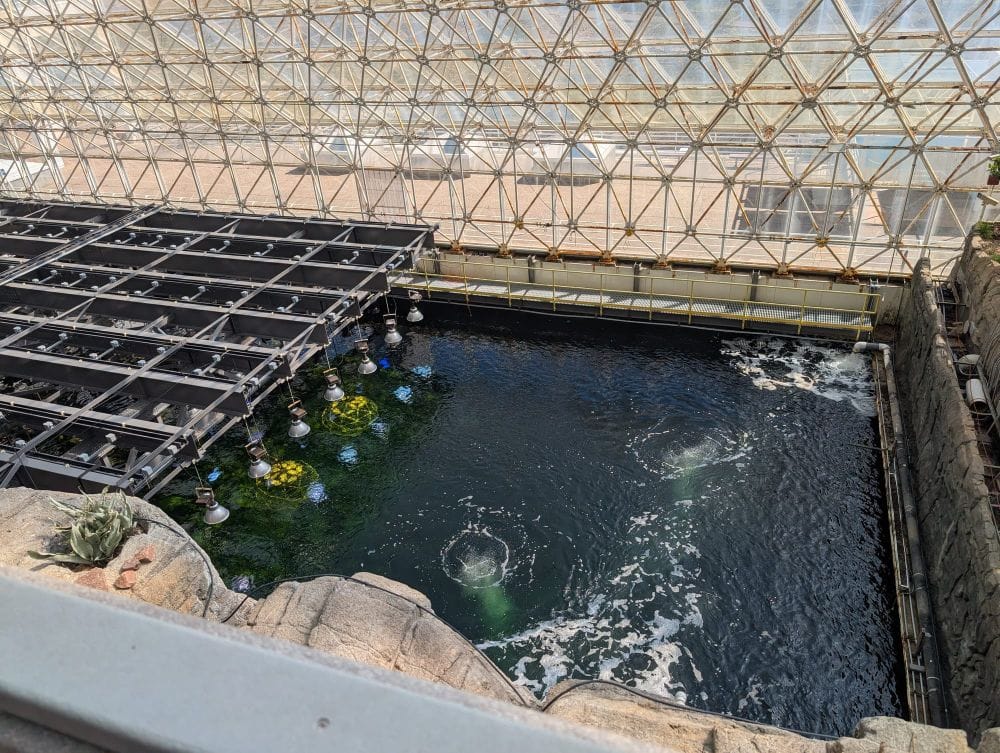
Today, scientists, engineers, horticultural specialists, technicians, and operations staff work inside the enormous glass complex studying climate change, water systems, agriculture, ecosystems, and future space habitation.
Maintaining artificial rainforests, deserts, oceans, and agricultural areas inside a giant enclosed structure requires expertise that few people anywhere in the world possess. Every day brings opportunities to work on research projects with implications that reach far beyond Arizona.
Desert Survival Instructors
Arizona's deserts are some of the most beautiful landscapes in the Southwest, but they can also be unforgiving. That is why desert survival instructors fill a role that is especially important here.
These experts teach hikers, hunters, off-road enthusiasts, military personnel, and outdoor adventurers how to safely travel through arid environments. Their courses often cover finding and conserving water, recognizing signs of heat exhaustion and heat stroke, navigating without GPS, identifying dangerous plants and animals, building emergency shelters, and signaling for rescue.
Many instructors have years of firsthand experience exploring the Sonoran, Mojave, and Chihuahuan Deserts. They understand how quickly conditions can change and how a small mistake can become life-threatening during Arizona's hottest months.
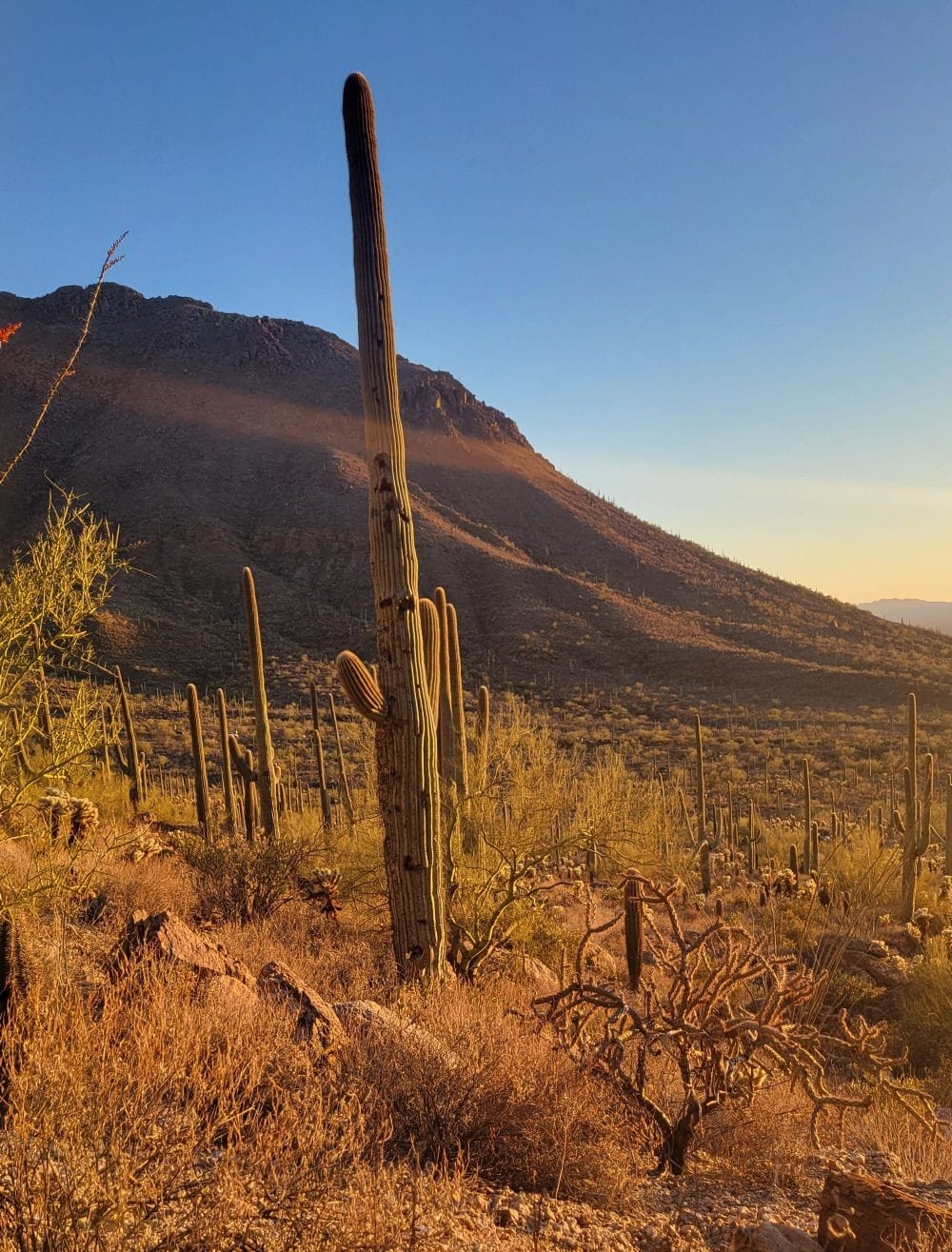
With millions of people visiting Arizona's public lands every year, desert survival instructors help ensure that outdoor adventures remain memorable for the right reasons. Their knowledge can mean the difference between a challenging hike and a dangerous emerge
Ostrich Ranchers
Long before ostrich leather boots became fashionable, Arizona discovered that its dry climate was surprisingly well suited for raising the world's largest birds.
Today, ostrich ranchers care for birds that can stand nearly nine feet tall and weigh more than 300 pounds. These ranches produce meat, eggs, leather, feathers, and breeding stock while also welcoming thousands of visitors who come to experience these remarkable animals up close.
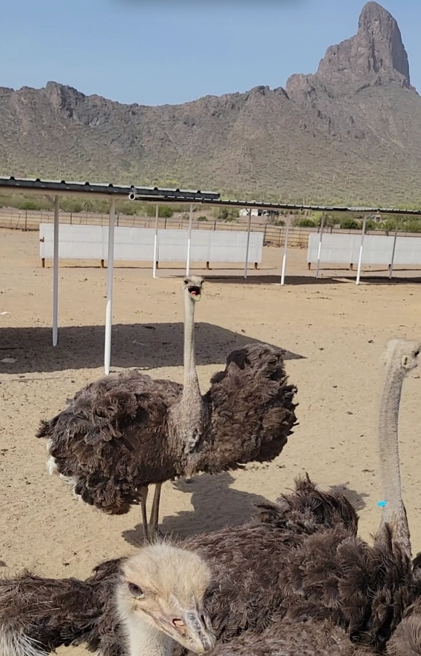
Managing an ostrich ranch is far different from operating a traditional cattle ranch. Ranchers must understand the birds' unique diets, breeding behavior, health needs, and surprisingly fast running speeds, which can reach around 40 miles per hour.
Arizona's warm weather and open spaces have helped make ostrich ranching one of the state's most distinctive agricultural industries.
Arizona's Diverse Landscape Creates Extraordinary Careers
Arizona's geography and climate do more than attract visitors. They create opportunities for careers found in very few places. Whether helping protect some of the darkest skies in the world, conducting groundbreaking environmental research, preparing people for wilderness adventures, engineering balloon missions to the edge of space, or raising enormous flightless birds, these professionals demonstrate just how diverse Arizona's economy has become.
The next time you think about Arizona jobs, look beyond the typical occupations. You may discover a career that is just as remarkable as the state itself.
Subscribe to Roam Arizona
Sign up to get new Arizona stories, hidden gems, and updates delivered to your inbox.
You’re officially on the trail.
Peek at your inbox (or the spam gulch) for your first map.