Explore the Riparian Habitats and Hiking Trails of Sabino Canyon

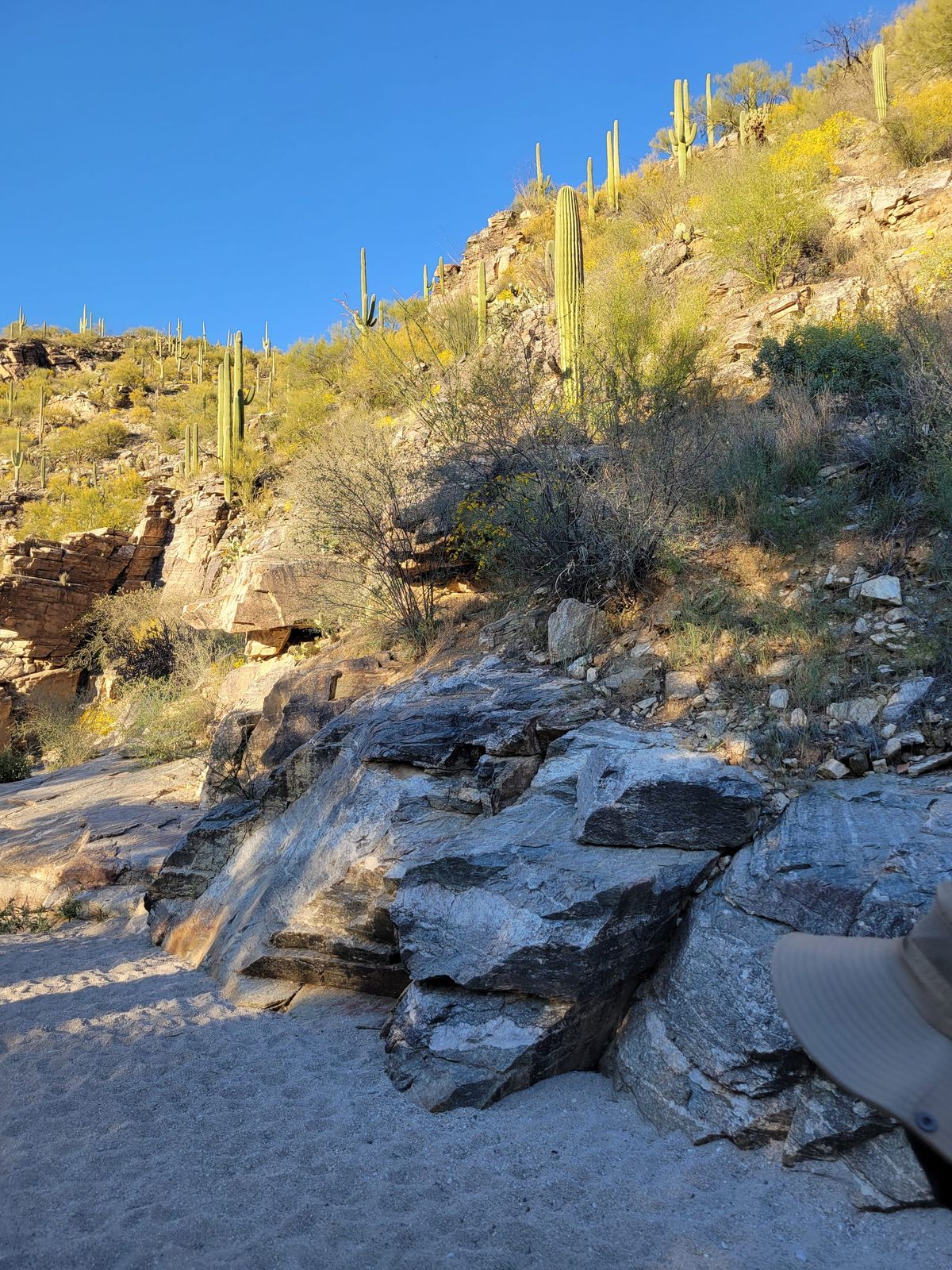
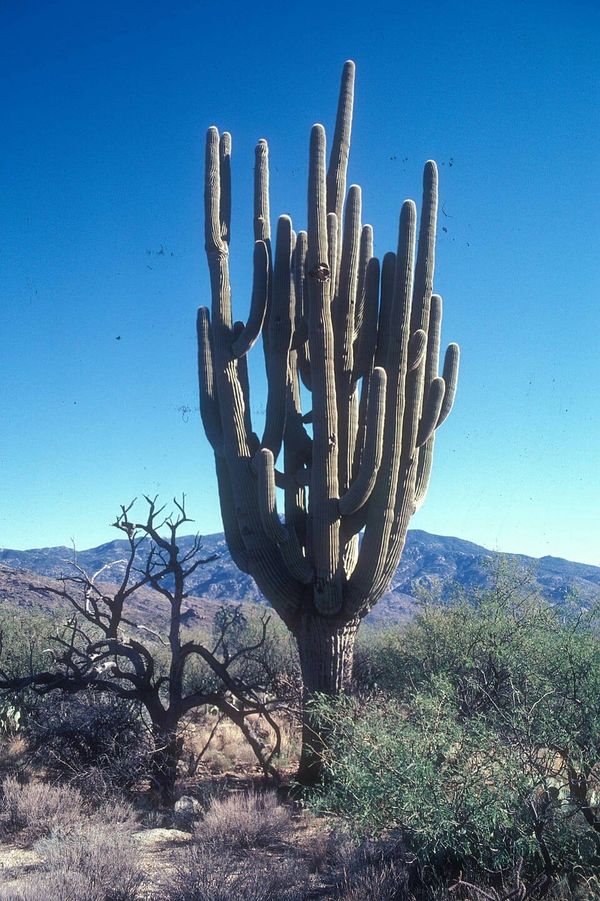
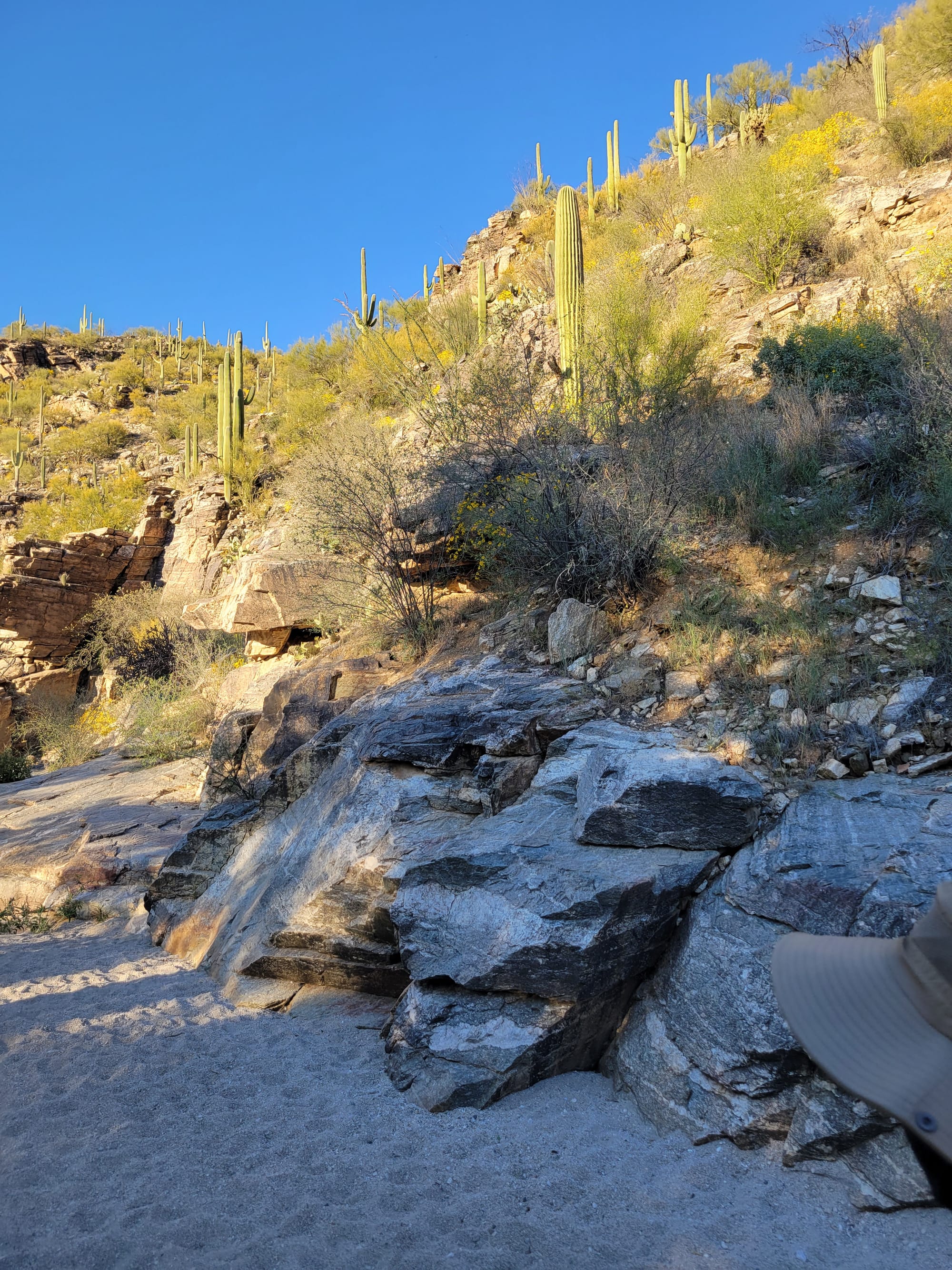
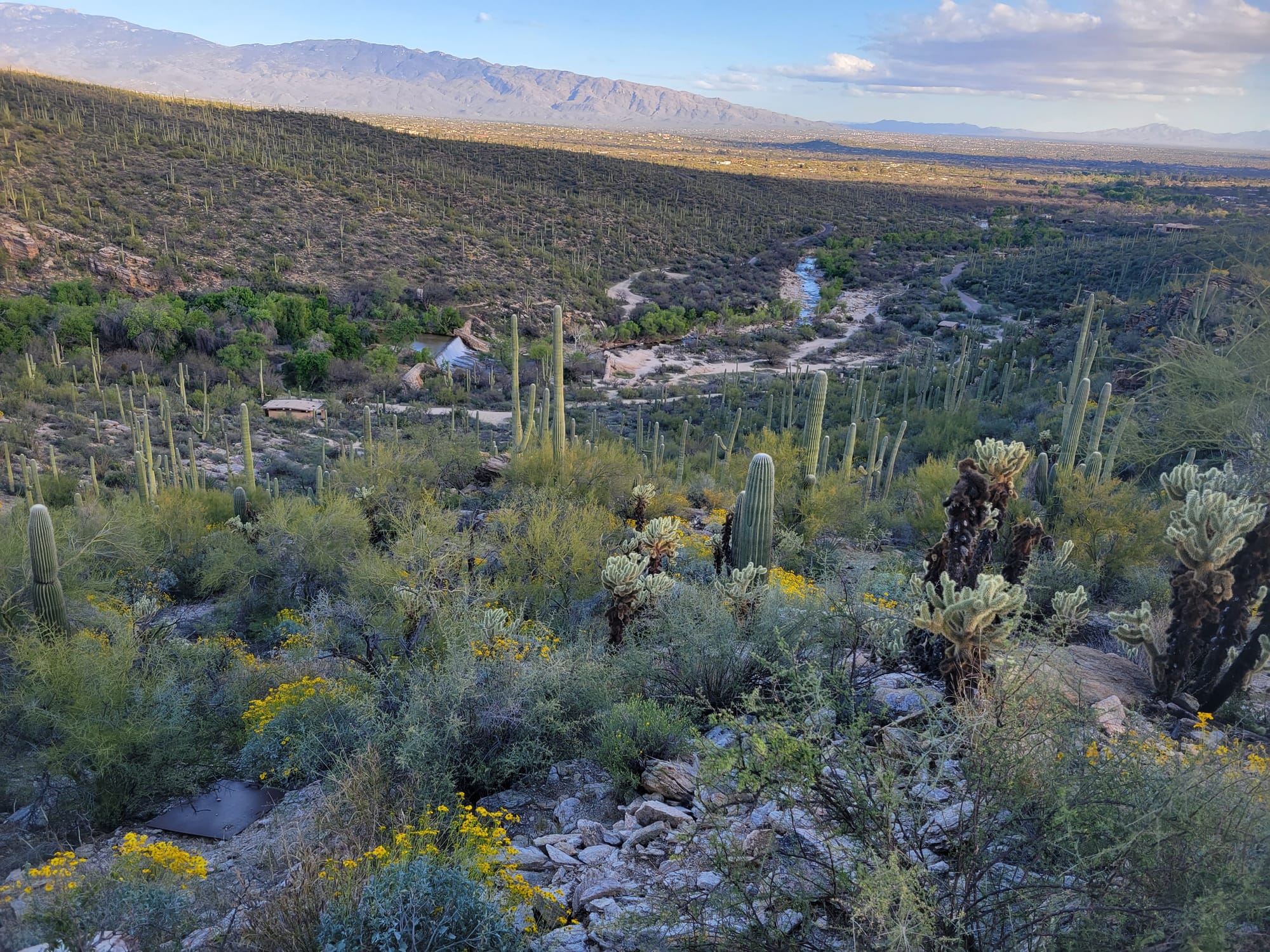
Rising from the desert floor just northeast of Tucson, Sabino Canyon serves as an oasis within the Sonoran Desert. Carved into the southern slopes of the Santa Catalina Mountains, this beloved recreation area attracts hikers, birdwatchers, photographers, and nature lovers throughout the year. Towering saguaro cacti cover the exposed canyon walls, contrasting sharply with the thick green corridor of trees and plants thriving along the creek bed below.
In a state known for its arid landscapes, riparian areas are ecological treasures. They support a remarkable diversity of plants and wildlife that would otherwise struggle to survive in the Sonoran Desert. Sabino Canyon is a great place to experience this unique environment while enjoying some of the region's most popular hiking trails.
What Makes Sabino Canyon Special?
Sabino Canyon sits within the foothills of the Santa Catalina Mountains on Tucson's northeast side. Snowmelt from higher elevations and seasonal monsoon rains feed Sabino Creek, creating a water source that often flows through much of the year. This reliable water supports lush vegetation that stands in striking contrast to the surrounding desert slopes covered with saguaros, cholla, and palo verde trees.
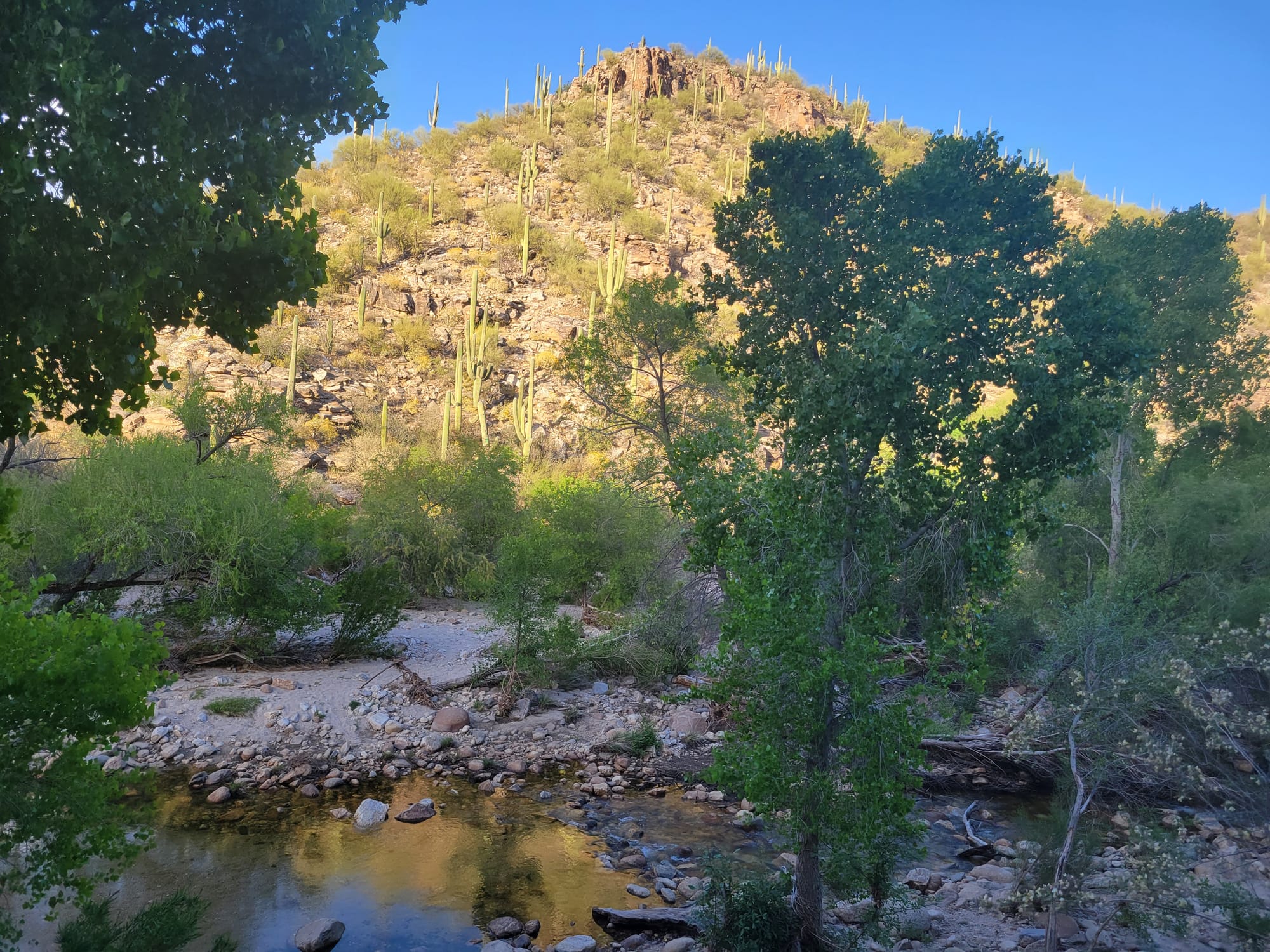
The result is an ecosystem where towering cottonwoods and sycamores grow alongside iconic Sonoran Desert plants. The canyon serves as a biological crossroads where desert species and mountain species overlap, creating exceptional opportunities for wildlife viewing.
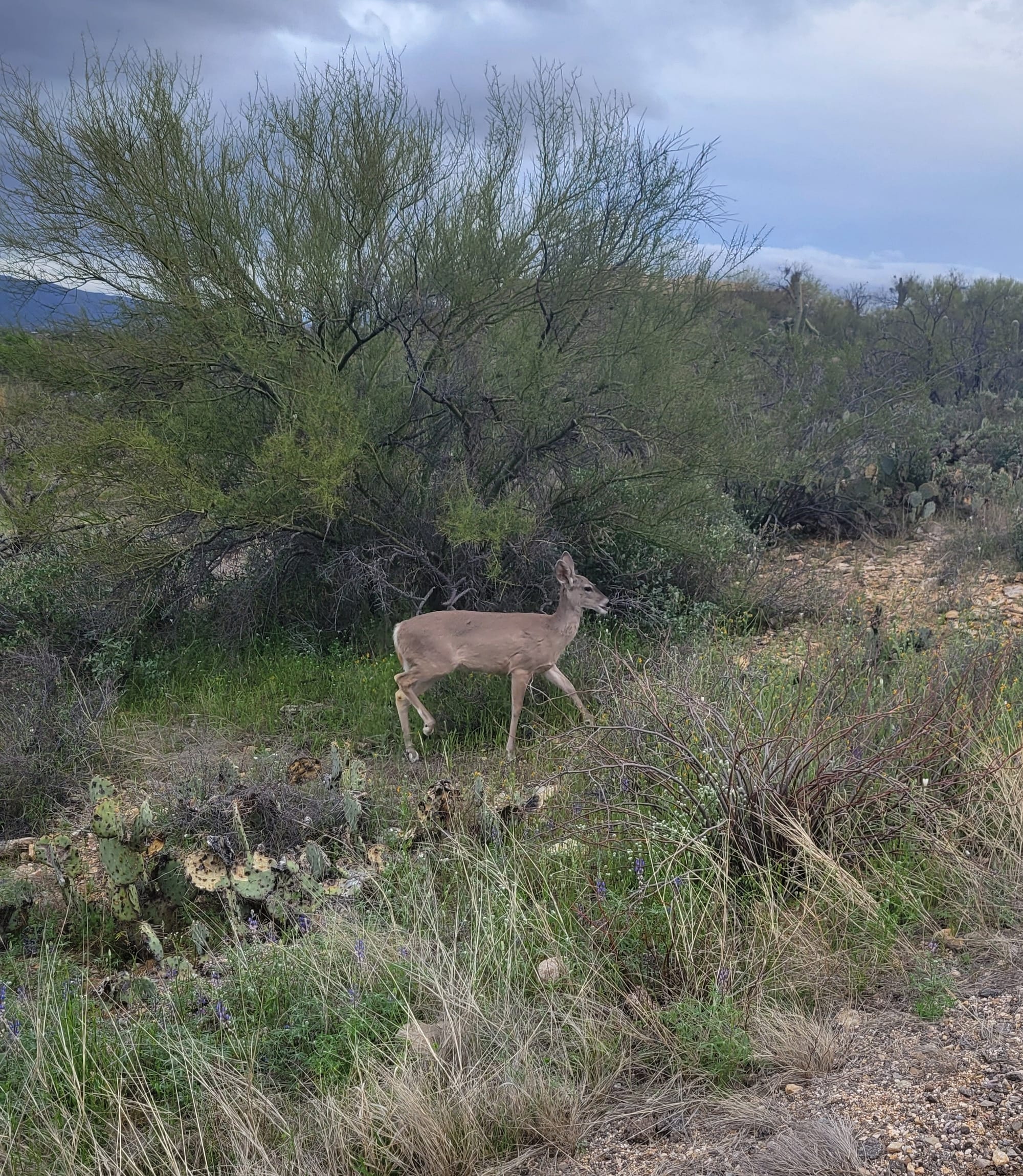
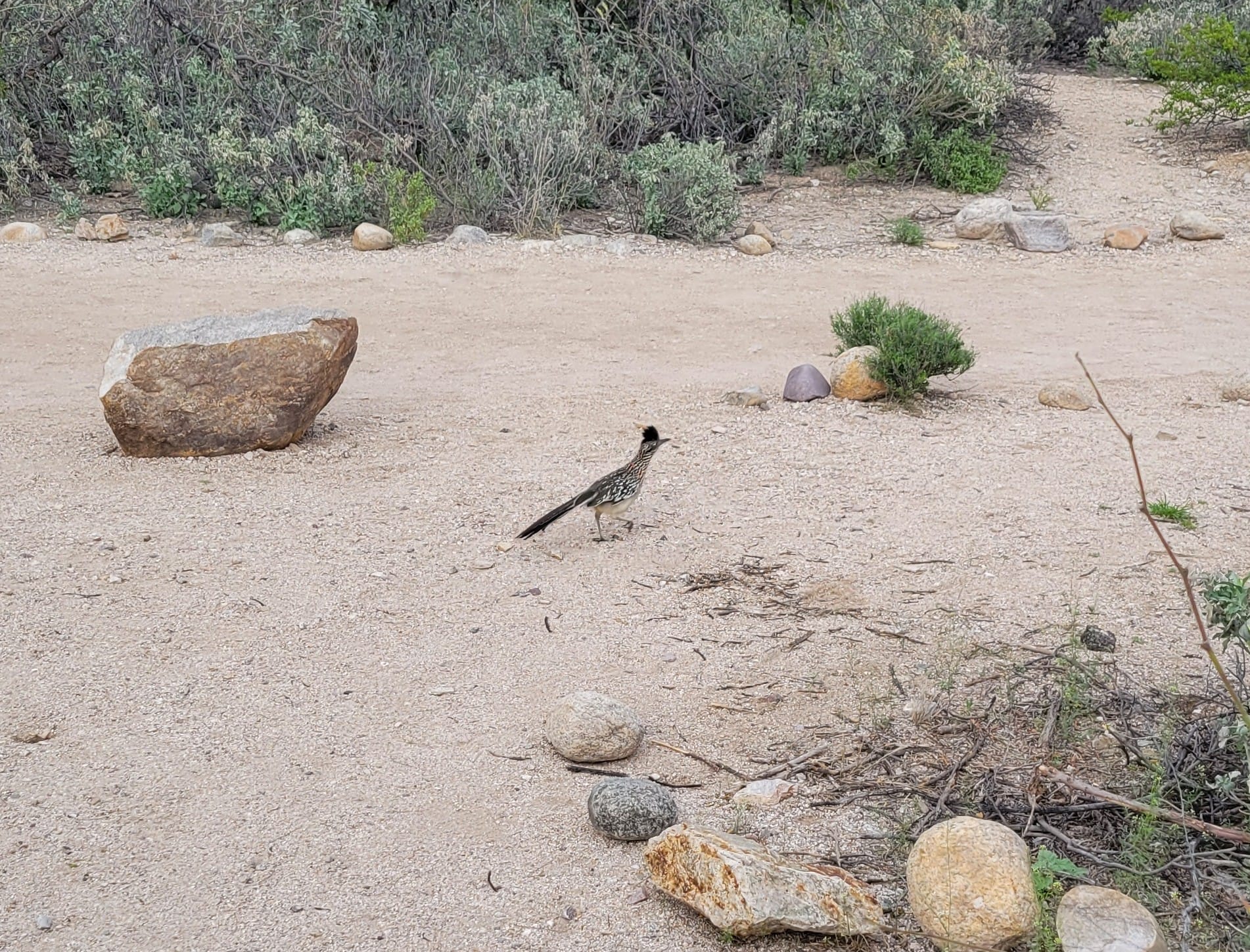
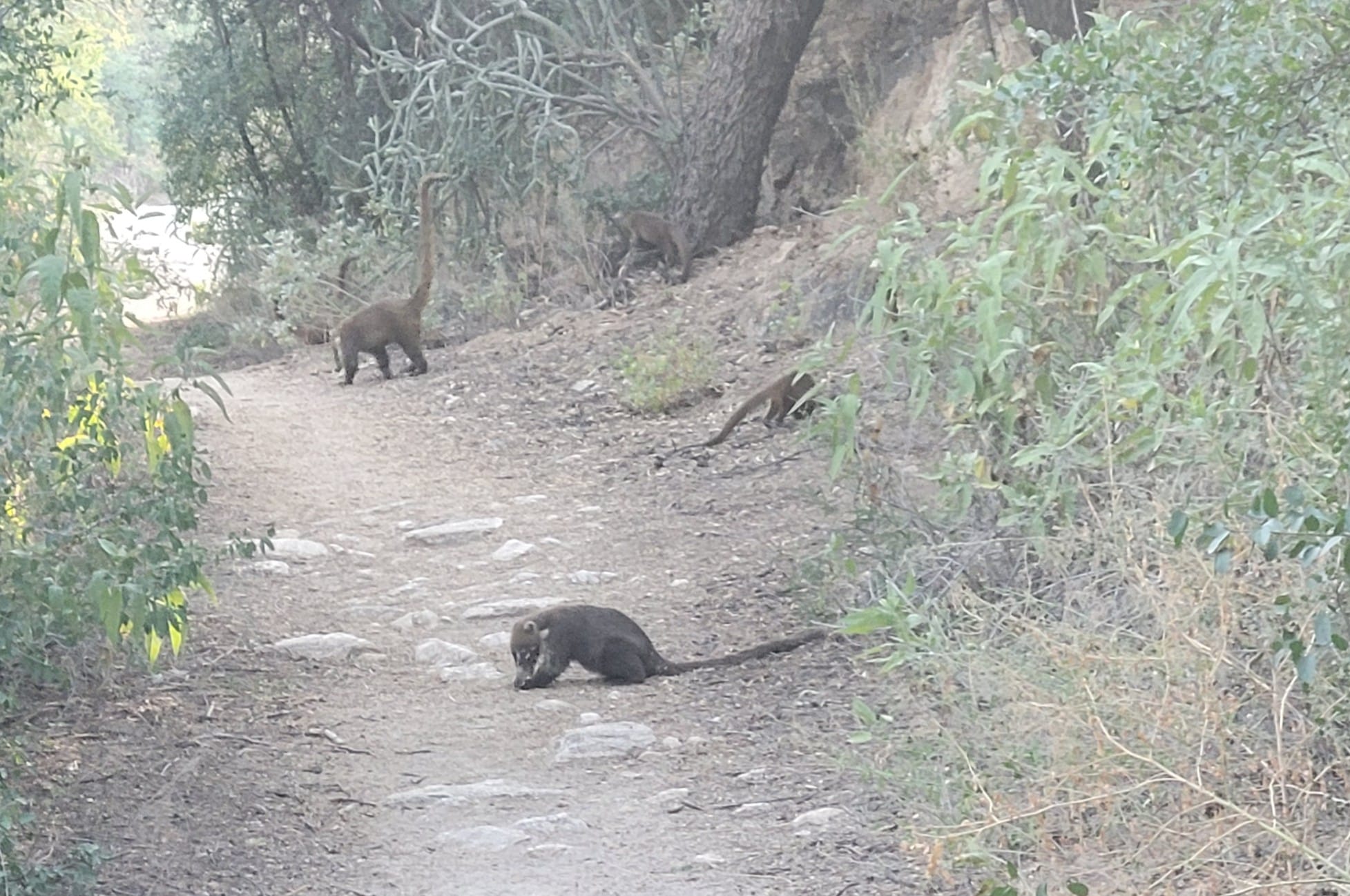
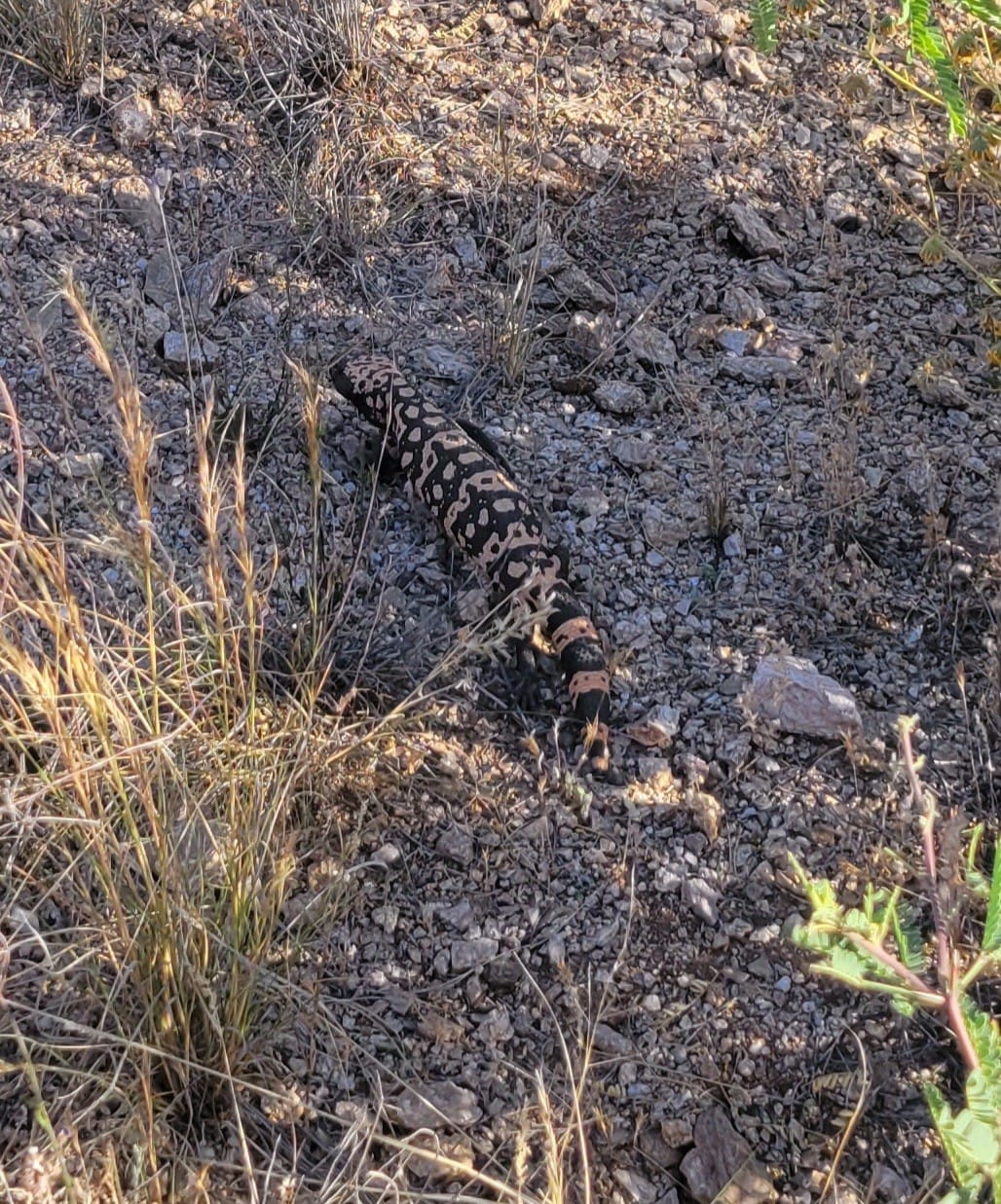
Since water is scarce in the desert, these corridors are critical biodiversity hotspots. Visitors frequently spot white-tailed deer, javelinas, and bobcats coming to drink. Lucky visitors may even encounter a roadrunner, Gila monster, or coatimundi. The canyon is also a paradise for birdwatchers, who come to see rare species like the elegant trogon, vermilion flycatcher, and canyon wren.
Essential Hiking Trails
Sabino Canyon offers a variety of trails ranging from accessible, paved walks to strenuous mountain climbs.
Sabino Canyon Road
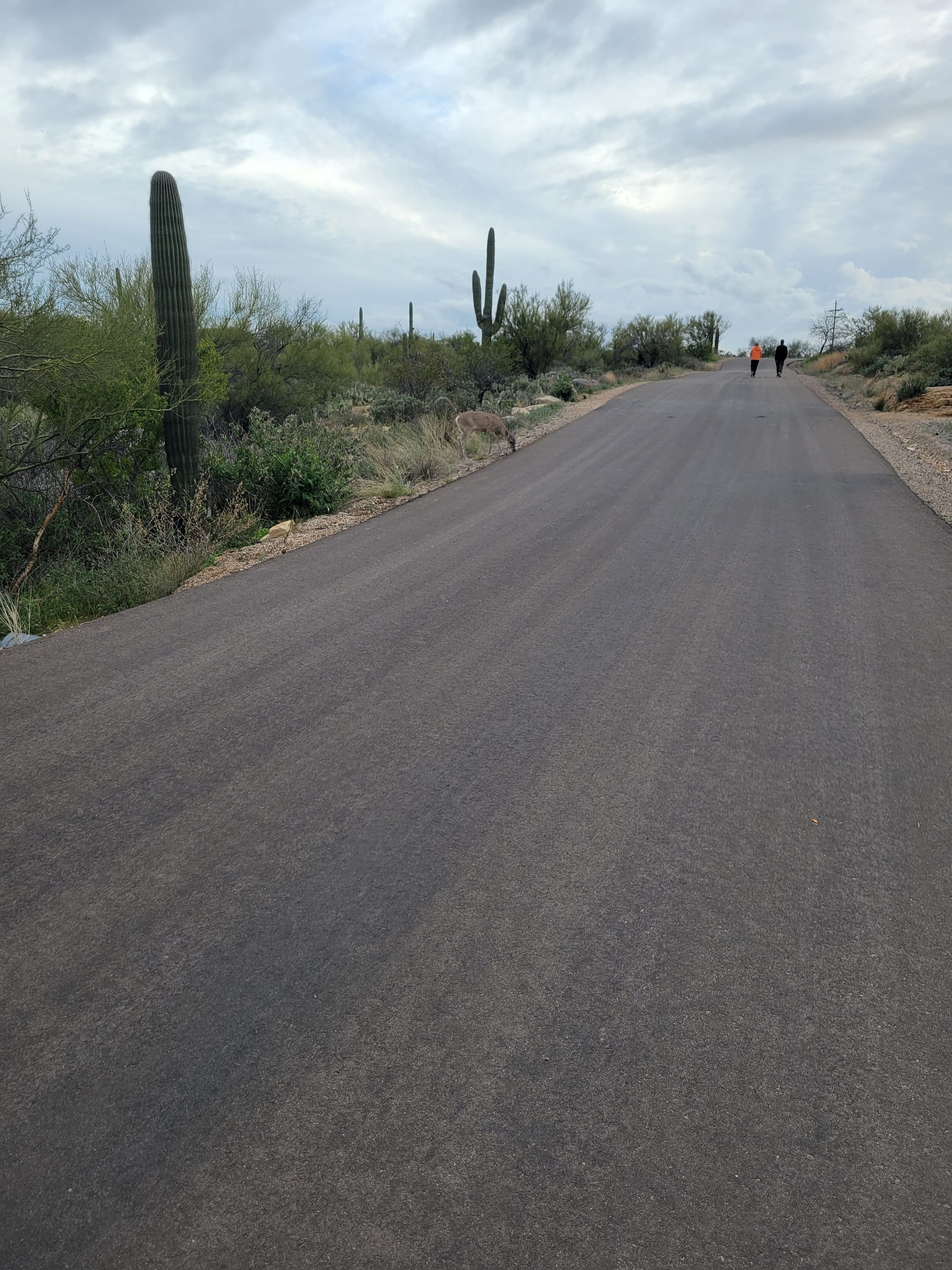
The most accessible route through the canyon follows the paved Sabino Canyon Road. Closed to private vehicles since 1978, the road extends nearly four miles into the canyon and crosses multiple bridges over Sabino Creek. Visitors can walk the route or ride the Sabino Canyon Crawler, an open-air shuttle that provides narration and access to trailheads farther into the canyon.
Bear Canyon and Seven Falls
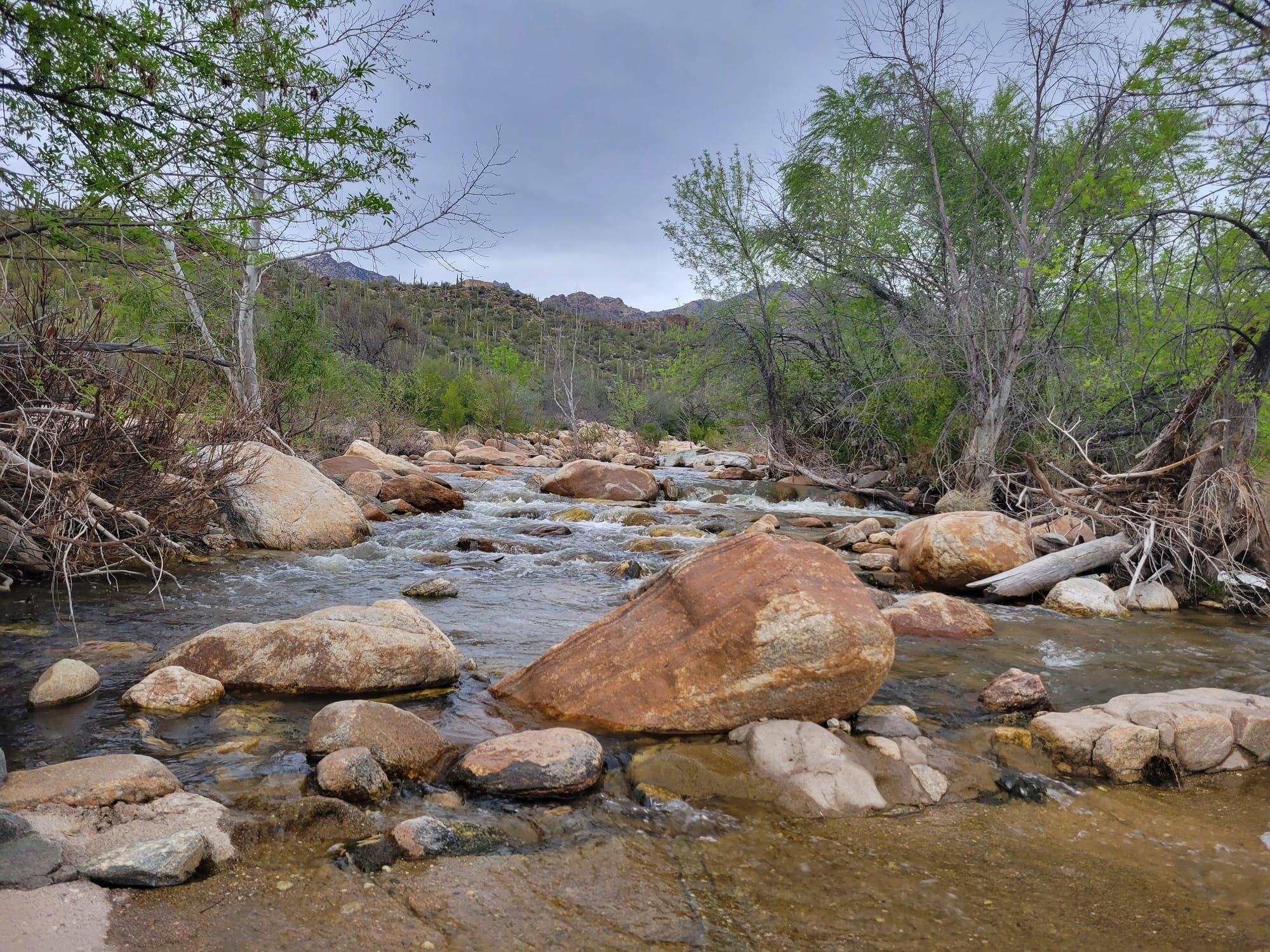
Another favorite route is the Bear Canyon Trail, which leads to the famous Seven Falls. This trail crosses the creek multiple times before arriving at a series of waterfalls and pools carved into the rocky landscape. The hike showcases both the rugged beauty of the desert and the life-giving influence of water.
Following monsoon rains or periods of snowmelt, Seven Falls becomes one of the most photographed locations in the Tucson area. The contrast between cascading water and towering saguaros creates a scene that feels uniquely Arizonan.
The Phoneline Trail
For visitors seeking panoramic views, the Phoneline Trail offers a different perspective on Sabino Canyon. Rather than following the creek directly, the trail traverses the canyon's eastern slopes high above the riparian corridor. From this elevated vantage point, hikers can appreciate how the green ribbon of vegetation winds through the desert below.
The trail also provides excellent opportunities to observe the transition between riparian habitat and upland Sonoran Desert ecosystems. Saguaros dominate the rocky hillsides while cottonwoods and sycamores cluster along the creek far below.
Hiking Safely in the Canyon
While the riparian zones offer shade and water, Sabino Canyon is still an unforgiving desert environment. Safety requires careful preparation.
- Hydration: Carry at least one gallon of water per person for a full day hike. Do not rely on drinking from the creek without a professional filtration system.
- Flash Floods: During the summer monsoon season (July through September), sudden storms miles away can send a wall of water crashing down the canyon. If you hear thunder or see the water turning muddy, move to high ground immediately.
- Heat Awareness: Afternoon temperatures regularly exceed 100 degrees Fahrenheit from late spring through summer. Start hikes at dawn and finish before the midday heat peaks.
Preserving a Desert Oasis
Riparian habitats are among Arizona's most important and vulnerable ecosystems. Water scarcity, invasive species, and increased recreational use can all impact these delicate environments. Visitors can help preserve Sabino Canyon by staying on designated trails, respecting wildlife, and following recreation area regulations.
Whether you are interested in birdwatching, photography, hiking, or simply escaping the city for a few hours, Sabino Canyon offers an unforgettable look at one of Arizona's most remarkable natural landscapes. Its flowing creek, towering cottonwoods, and scenic trails demonstrate how water transforms the desert, creating a vibrant oasis that continues to captivate generations of visitors.
Subscribe to Roam Arizona
Sign up to get new Arizona stories, hidden gems, and updates delivered to your inbox.
You’re officially on the trail.
Peek at your inbox (or the spam gulch) for your first map.