The Reign of Old Granddaddy: The Rise and Fall of a Desert King
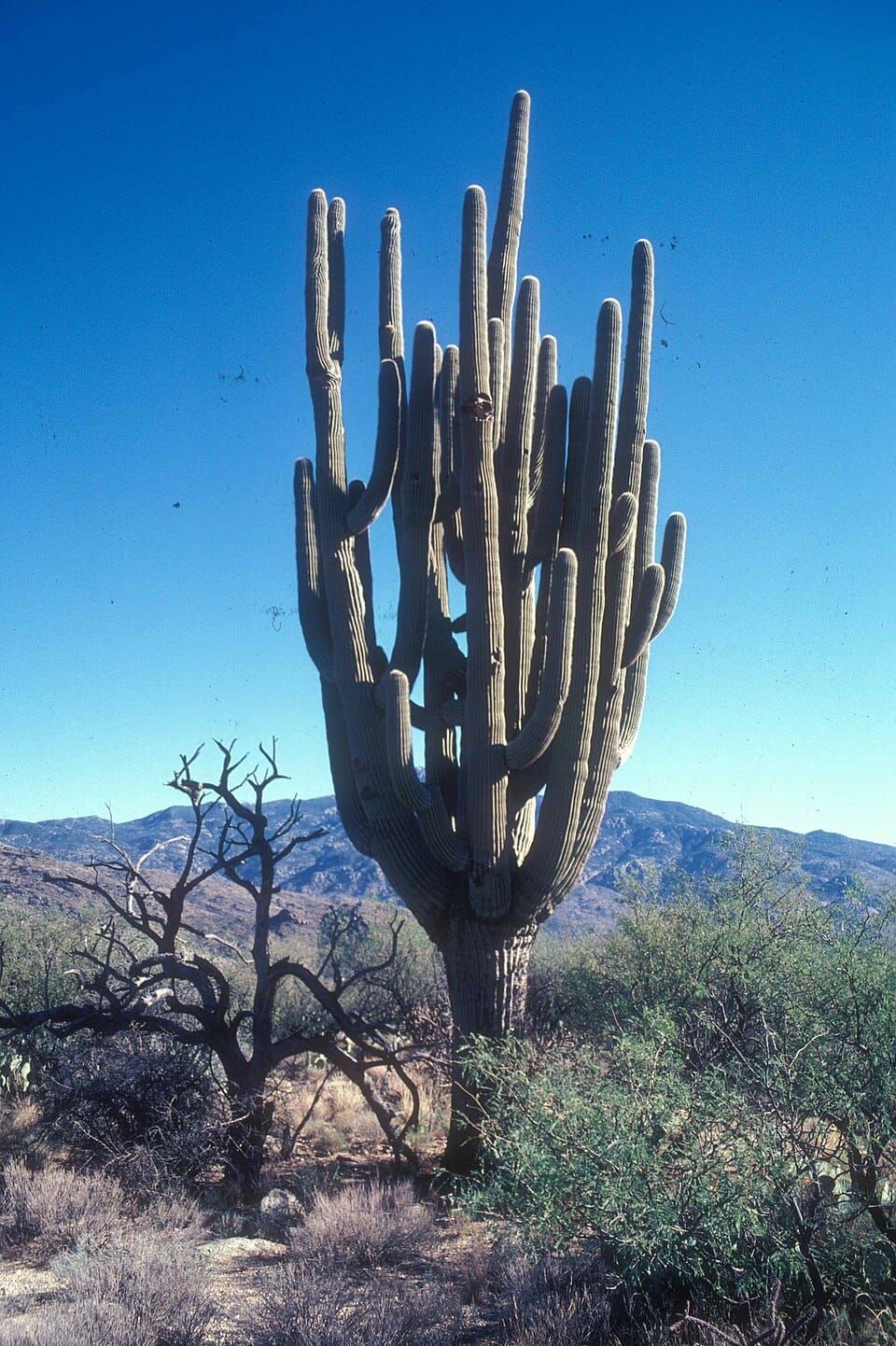
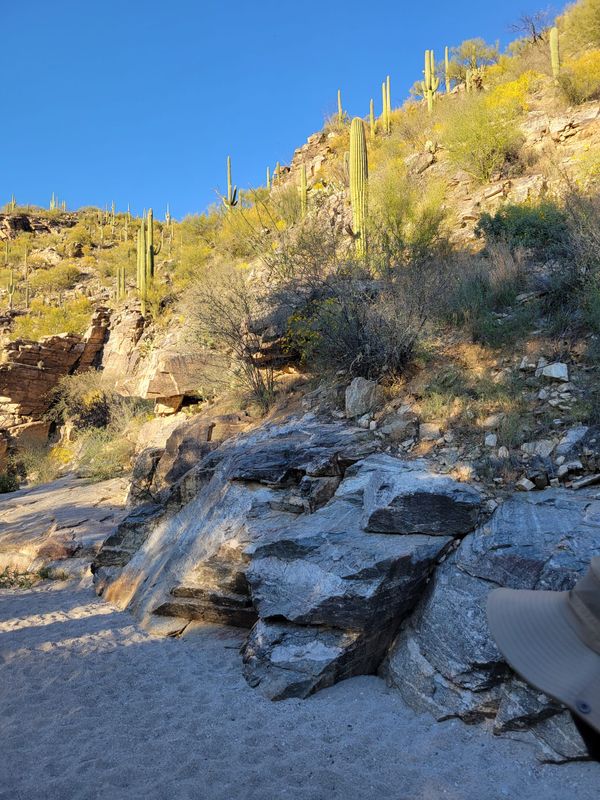
In the foothills of the Rincon Mountains, east of Tucson, there once stood a monarch. For over three centuries, a single Saguaro (Carnegiea gigantea) known as Old Granddaddy witnessed the arrival of Spanish explorers, the birth of the United States, and the paving of the modern Southwest.
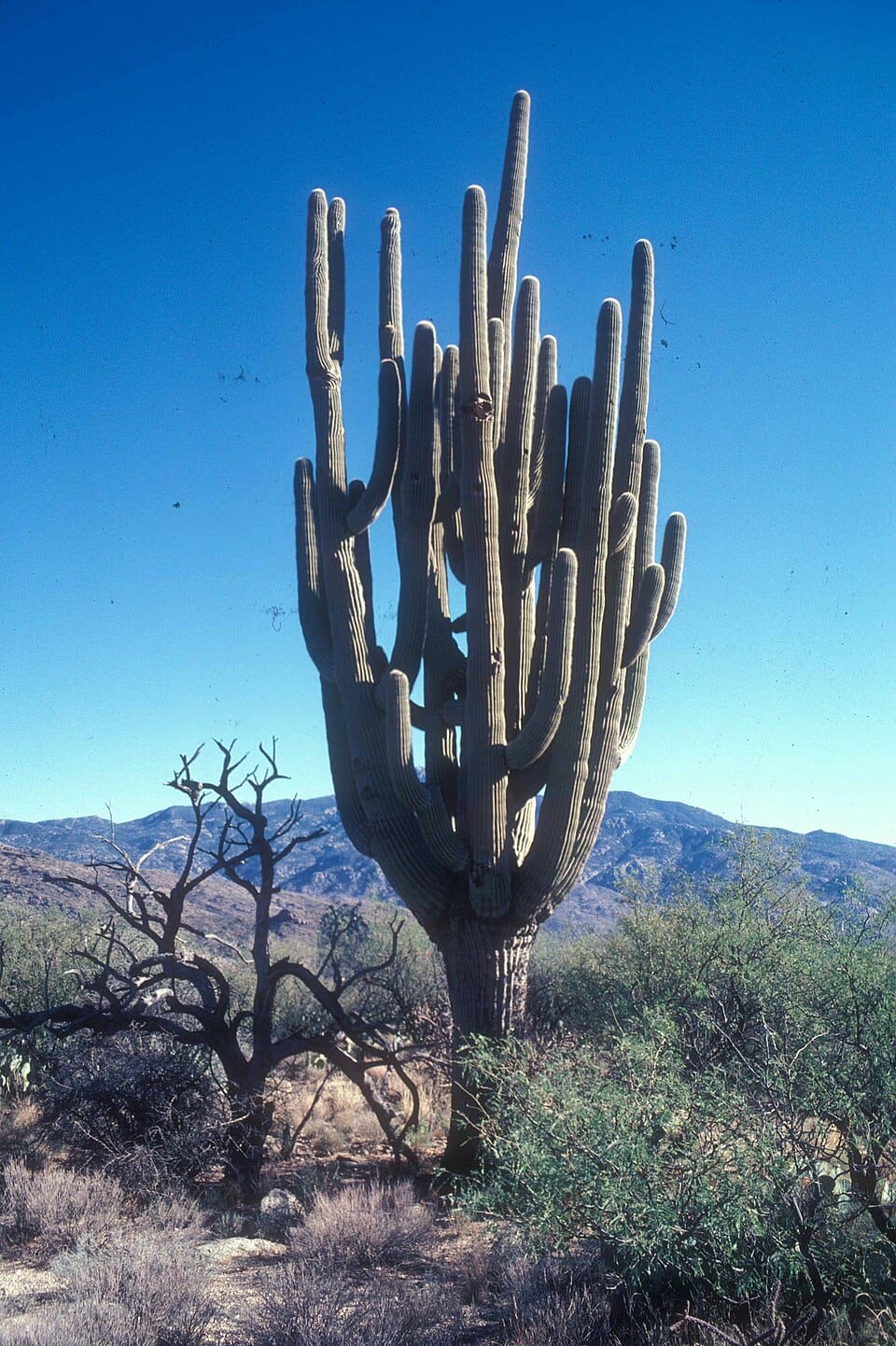
While the desert is full of giants, Old Granddaddy was the one that defined the species for the world.
Century of Silence
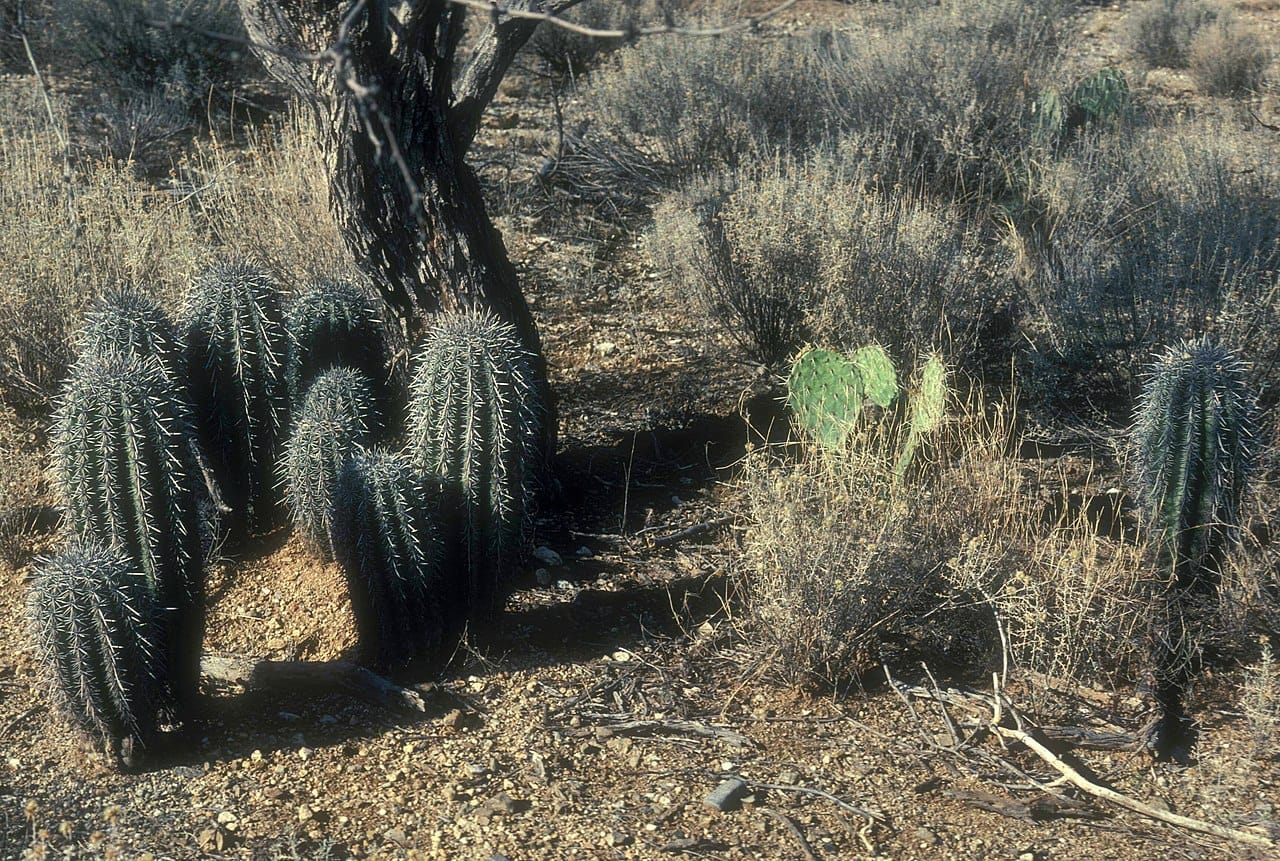
Old Granddaddy likely germinated in the mid 1600s. To survive its first decade, it would have needed a "nurse tree" (likely a Paloverde or Ironwood) to shield it from the blistering sun and hungry rodents. For its first 50 years, it was nothing more than a slow growing green sphere. It did not even sprout its first arm until it was likely 75 to 100 years old.
The Architecture of a Giant
By the time Saguaro National Monument (now Saguaro National Park) was established in 1933, Old Granddaddy was already a titan. What set it apart was not its height (at roughly 40 feet, it was tall but not a record breaker) but its extreme complexity. At its peak, the cactus boasted 52 distinct arms, creating a massive structure that botanists estimated could weigh as much as 8 tons (16,000 lbs) after a heavy desert rain. Supporting this immense weight was a dense internal cylinder of vertical woody ribs that functioned much like the steel rebar found in a modern skyscraper.
The Celebrity Era
While "Old Granddaddy" was primarily a nickname used by park rangers, the image of the cactus reached a much wider audience. He was not a documented global record holder, but he was likely the most photographed individual cactus in the United States during the peak of the station wagon tourism era from the 1950s to the 1970s. Since he was located along a popular and accessible park loop, he became the primary model for Saguaro National Monument. His 52 armed silhouette appeared on countless postcards and in travel brochures, serving as the visual shorthand for the American West. To the thousands of tourists who stopped for a photo at his base, he was the living definition of desert resilience.
The Final Years
Even the most resilient desert dwellers eventually succumb to time. By the 1980s, the giant began to show visible signs of its age as it battled a severe case of bacterial necrosis. This common but lethal infection allowed pathogens to infiltrate the soft inner tissue, slowly liquefying the cactus from the inside out.
The first major structural failure occurred in 1986 when one of the massive arms finally gave way and crashed to the desert floor. By the early 1990s, the cactus had officially died, leaving behind a towering woody skeleton that stood for only a short time before the main trunk and its remaining arms collapsed under their own immense weight.
Legacy of a Fallen King
Today, the specific spot where Old Granddaddy once stood serves as a quiet monument to the natural cycle of the Sonoran Desert. When a giant of this magnitude finally collapses, it creates a resource island. The massive volume of decaying organic matter provides a concentrated burst of nutrients and moisture to the parched desert floor. This surge of life often fuels the growth of a new generation of nurse trees.
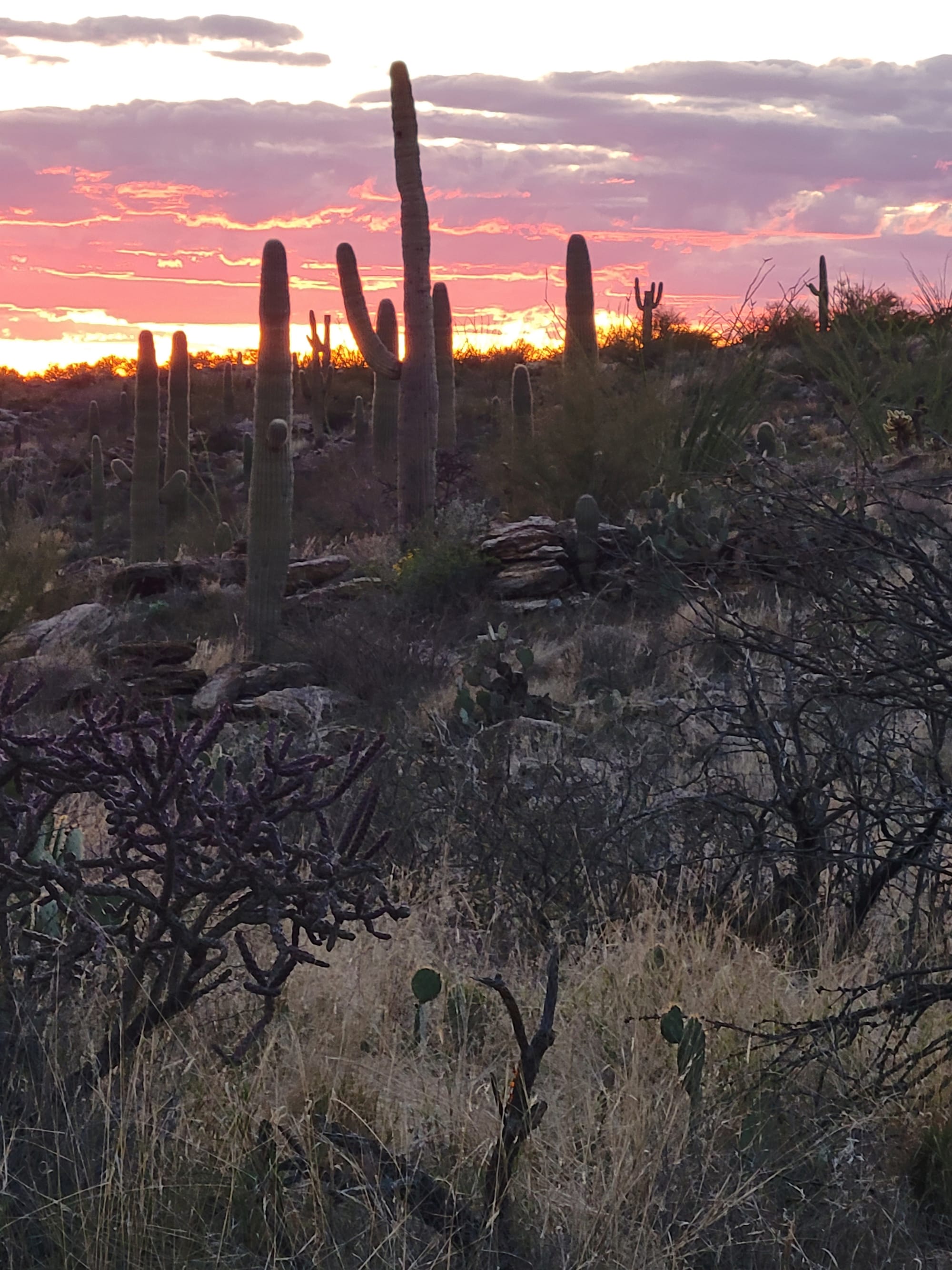
The story of this specific monarch did not end when the trunk hit the ground. National Park Service researchers have been carefully monitoring the seedlings in the immediate area to track how the next generation is faring in the wake of the giant's collapse. These conservation efforts ensure that the lineage of the park's most famous specimens continues.
Subscribe to Roam Arizona
Sign up to get new Arizona stories, hidden gems, and updates delivered to your inbox.
You’re officially on the trail.
Peek at your inbox (or the spam gulch) for your first map.