Viticulture History of Arizona


Arizona is not the first place most people think of when it comes to wine. The image of a sun-scorched desert does not exactly scream vineyards and vintages. However, that perception is exactly what makes Arizona’s wine story so compelling.
The reality is that Arizona’s wine country exists far above the desert floor. While the state is often synonymous with saguaros and scorching heat, there are “Sky Island” landscapes that create a surprising patchwork of microclimates. These elevated zones bring cooler nights, varied soils, and enough seasonal moisture to support serious viticulture. The result is a high-desert terroir that produces wines with structure, balance, and increasingly, national attention.
Colonial Roots and Missionary Origins
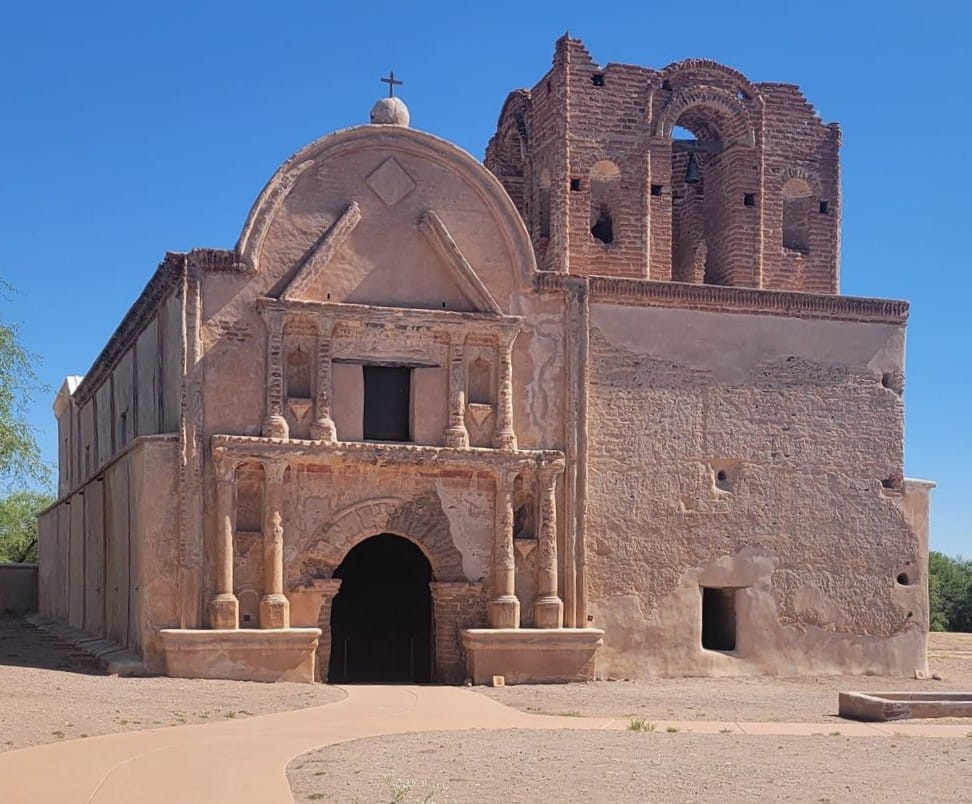
In the late 1600s, Eusebio Francisco Kino arrived in the region, bringing with him Vitis vinifera vines. These early plantings were intended for sacramental wine, but they marked the first successful cultivation of European grapes in what is now Arizona.
By the 19th century, winemaking had moved beyond mission grounds. European immigrants, particularly those from Germany and Italy, began establishing vineyards in areas like the Verde Valley. These vineyards found a ready market among miners working in booming towns such as Jerome.
By the 1880s, Arizona had a burgeoning commercial industry, with vineyards successfully supplying wine to thirsty mining camps and growing territorial towns.
The Dark Ages: When Arizona Went Dry
Arizona’s wine industry collapsed before it ever had the chance to fully mature.
In 1915, five years before the 18th Amendment established national Prohibition, Arizona voters approved a state constitutional amendment banning the manufacture and sale of alcohol. This pre-emptive strike effectively wiped out the existing wine industry overnight.

What followed was a long period of dormancy. Vineyards were abandoned, vines died off, and the generational knowledge of winemaking disappeared. For decades, Arizona was essentially removed from the American wine map.
The Modern Renaissance: Science in the Soil
Arizona’s wine comeback did not begin with tradition. It began with science.
In the 1970s, Gordon Dutt, a soil scientist at the University of Arizona, conducted groundbreaking research on whether wine grapes could thrive in Arizona’s soils. His conclusion was unexpected but clear: not only could grapes grow here, they could produce high-quality wine.
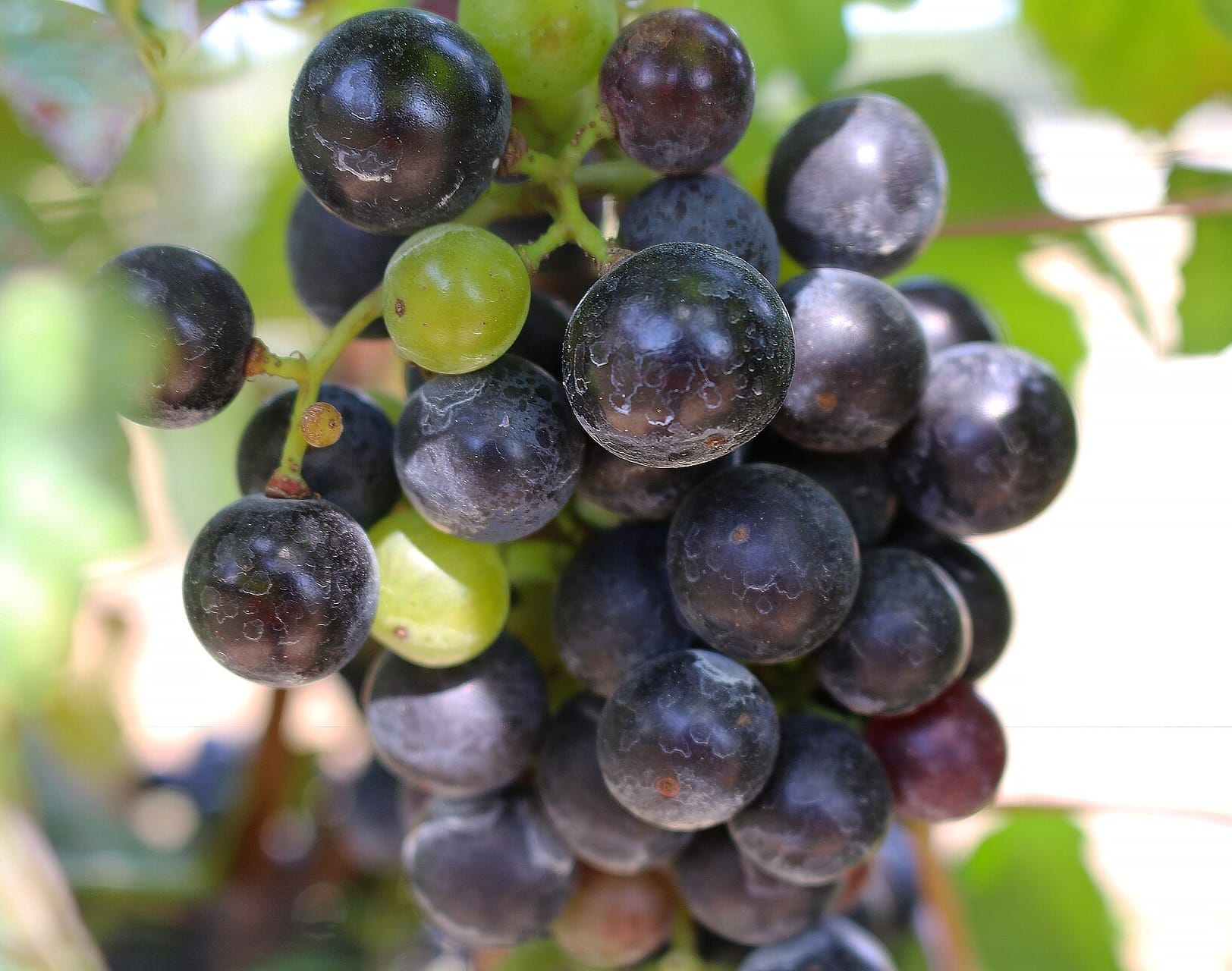
That research led directly to the establishment of Sonoita Vineyards, officially marking the rebirth of the industry. This period also saw legislative support. The Arizona Farm Winery Act of 1982 allowed small producers to make and sell wine directly to consumers, removing a major barrier and encouraging growth across the state.
Defining the Regions: The Three AVAs
As Arizona’s wine industry matured, distinct growing regions began to emerge, each with its own identity and conditions. Today, Arizona has three AVAs (American Viticultural Areas).
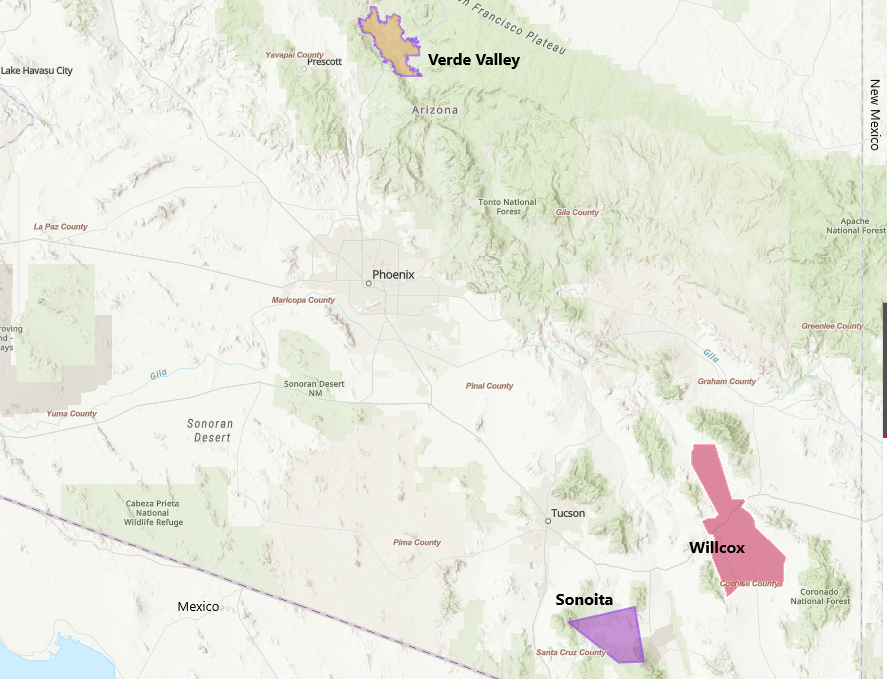
The first was Sonoita AVA, established in 1984. Known for its rolling grasslands and iron-rich “Terra Rosa” soils, it remains one of the most unique wine regions in the country.
Next came Willcox AVA in 2016. Located in southeastern Arizona, Willcox is now the powerhouse of the state’s wine industry, producing roughly 75 percent of Arizona’s wine grapes thanks to its expansive acreage and favorable growing conditions.
Most recently, the Verde Valley AVA was established in 2021. This northern region is defined by its volcanic soils, river corridors, and cooler climate, offering a distinctly different profile from its southern counterparts.
Contemporary Challenges and Triumphs
Modern Arizona winemakers operate in a landscape that is as challenging as it is rewarding.
Climate remains the biggest hurdle. Late spring frosts can damage young vines, while intense summer monsoons bring sudden downpours that require careful vineyard management. Success here demands adaptability and precision.
At the same time, Arizona wines are gaining recognition for their distinctive character. Rather than forcing traditional European styles, many winemakers have embraced grape varieties that naturally thrive in warm climates. Rhône and Mediterranean varietals like Syrah, Grenache, and Mourvèdre have become the backbone of the state’s wine identity.
There is also a growing spirit of experimentation. A new wave of “maverick” growers is pushing beyond established regions, planting vineyards in unexpected places like Kingman and Young. These efforts continue to expand the boundaries of what Arizona wine can be.

The Future of Arizona Wine
What began as a missionary necessity evolved into a frontier enterprise, disappeared entirely, and then returned through scientific discovery and determination. Today, it stands as a fast-growing agricultural sector and a significant contributor to the state’s economy.
More importantly, it represents something deeper. Arizona wine is not about easy conditions or predictable outcomes. It is about working with a rugged landscape and finding opportunity where others saw none.
That is exactly what makes it worth exploring.
Subscribe to Roam Arizona
Sign up to get new Arizona stories, hidden gems, and updates delivered to your inbox.
You’re officially on the trail.
Peek at your inbox (or the spam gulch) for your first map.