Top 5 Best Places to See Giant Saguaros

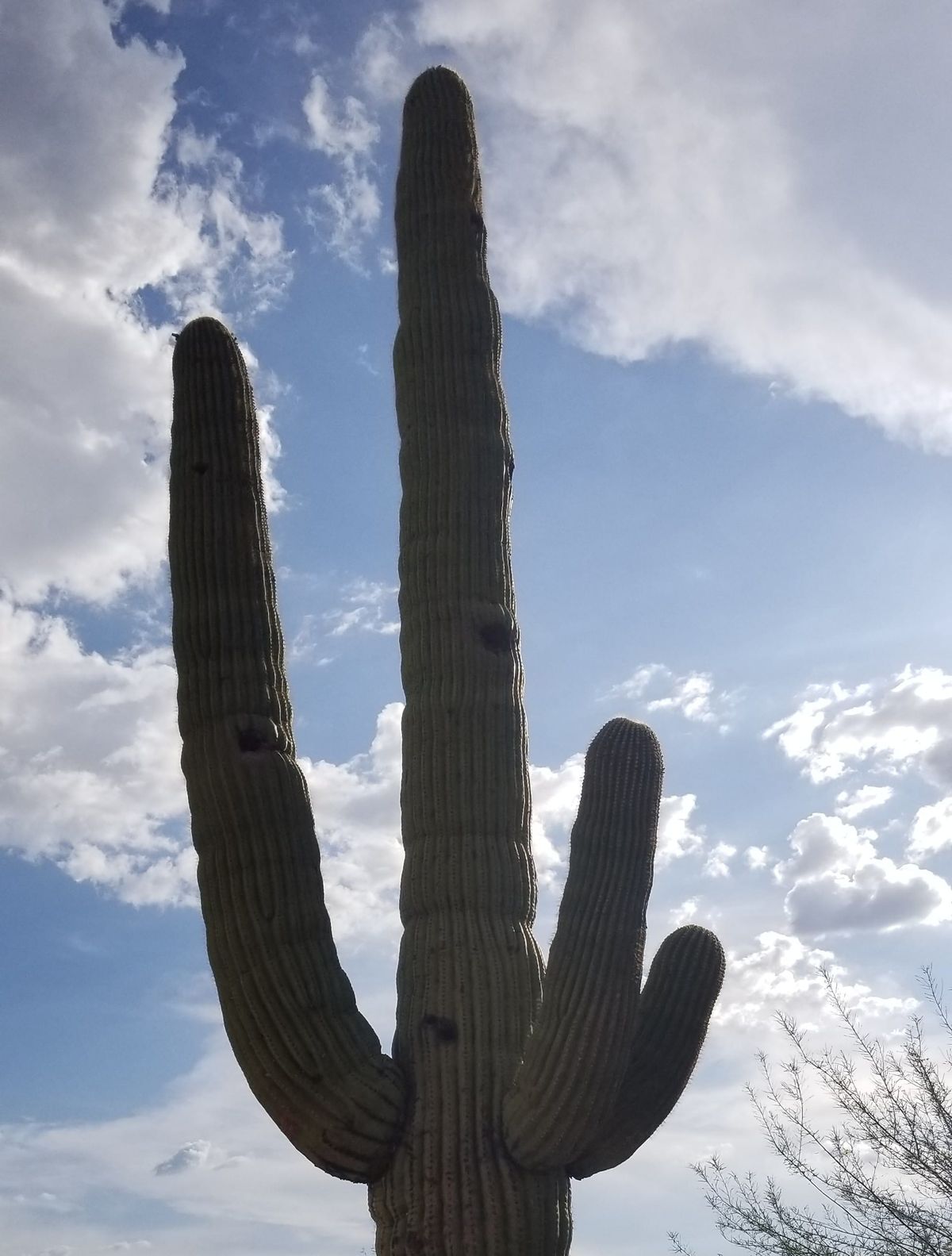
Nothing says "Arizona" quite like the towering silhouette of a giant saguaro cactus. Found naturally only in the Sonoran Desert, these iconic plants can live for well over 150 years and reach heights of more than 40 feet. While saguaros grow across parts of southern Arizona, some places offer far denser forests and more impressive specimens than others.
If you want to experience Arizona's most famous cactus in all its glory, these are five of the very best places to visit.
1. Saguaro National Park
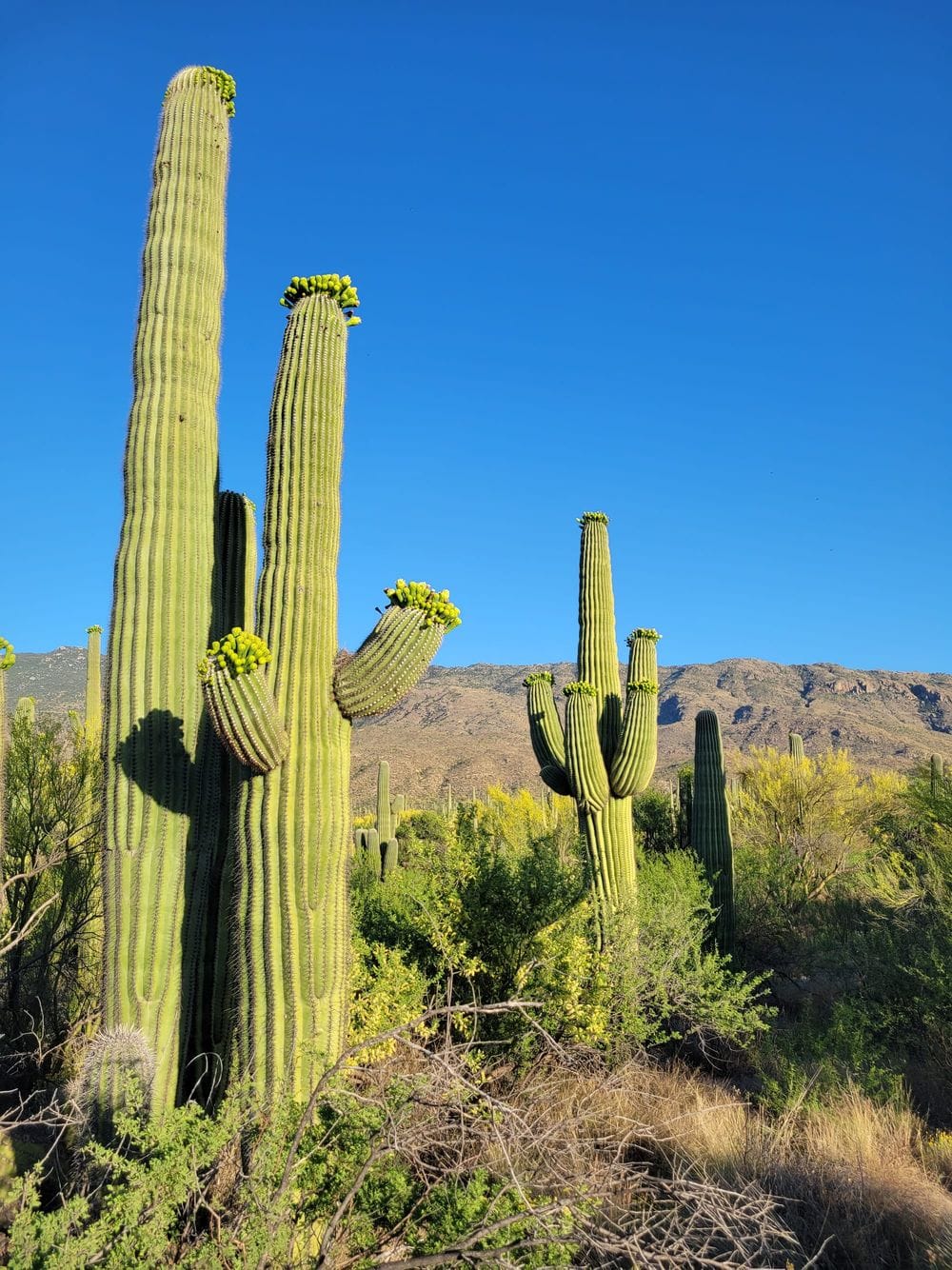
If your goal is to see giant saguaros, there is no better destination than Saguaro National Park. Split into two districts that flank Tucson, the park protects more than 90,000 acres of Sonoran Desert and contains millions of saguaros ranging from tiny seedlings to towering giants covered in dozens of arms.
The western district, known as the Tucson Mountain District, is often considered the most scenic because mature saguaros blanket nearly every hillside. The eight mile Bajada Loop Drive offers numerous pullouts where visitors can admire some of the park's largest cacti without hiking far from the road.
The eastern Rincon Mountain District offers a different experience. Here, the desert stretches toward rugged mountain peaks, creating spectacular landscapes where giant saguaros stand against dramatic backdrops.
2. Ironwood Forest National Monument
Located northwest of Tucson, Ironwood Forest National Monument remains one of Arizona's best kept secrets. While it lacks the name recognition of Saguaro National Park, many locals consider it one of the finest places anywhere to experience untouched Sonoran Desert.
The monument protects thousands of mature saguaros alongside ancient ironwood trees that are among the oldest living plants in the desert. Some ironwoods are believed to be more than 800 years old.
Driving the dirt roads through the monument reveals hillsides packed with towering saguaros that often appear even denser than those inside the national park. Since visitation is relatively light, it is common to spend long stretches enjoying the desert without encountering another person.
The wide open scenery and peaceful atmosphere make Ironwood Forest an outstanding destination for photography and wildlife viewing.
3. Sabino Canyon Recreation Area
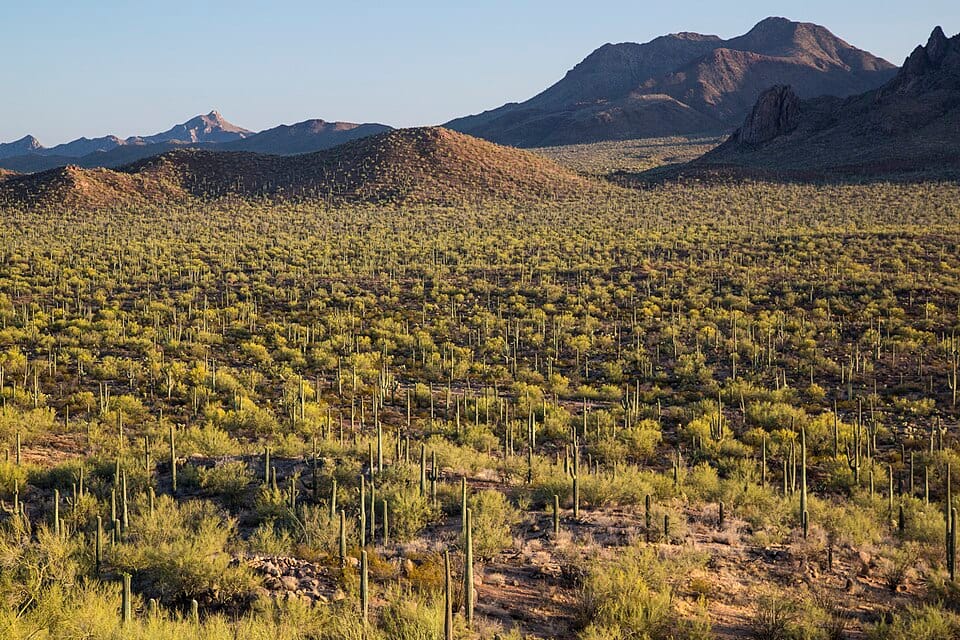
Sabino Canyon Recreation Area offers one of Arizona's most unique places to admire giant saguaros because it combines towering cacti with the rugged beauty of the Santa Catalina Mountains. Located on the northeastern edge of Tucson, the canyon is home to thousands of mature saguaros that thrive along rocky slopes and desert washes.
Unlike many saguaro viewing destinations, Sabino Canyon provides a striking contrast between lush riparian vegetation and classic Sonoran Desert landscapes. Visitors can see giant saguaros standing alongside cottonwood trees, sycamores, and seasonal streams, creating scenery that feels unlike anywhere else in Arizona.
The paved Sabino Canyon Road, accessible by tram or on foot, offers easy opportunities to view impressive saguaros without tackling strenuous hikes. Those looking to explore deeper into the canyon can follow trails such as Phoneline Trail, Sabino Lake Trail, or Seven Falls Trail, where mature saguaros frame spectacular views of the surrounding mountains.
4. Desert Botanical Garden (Phoenix)
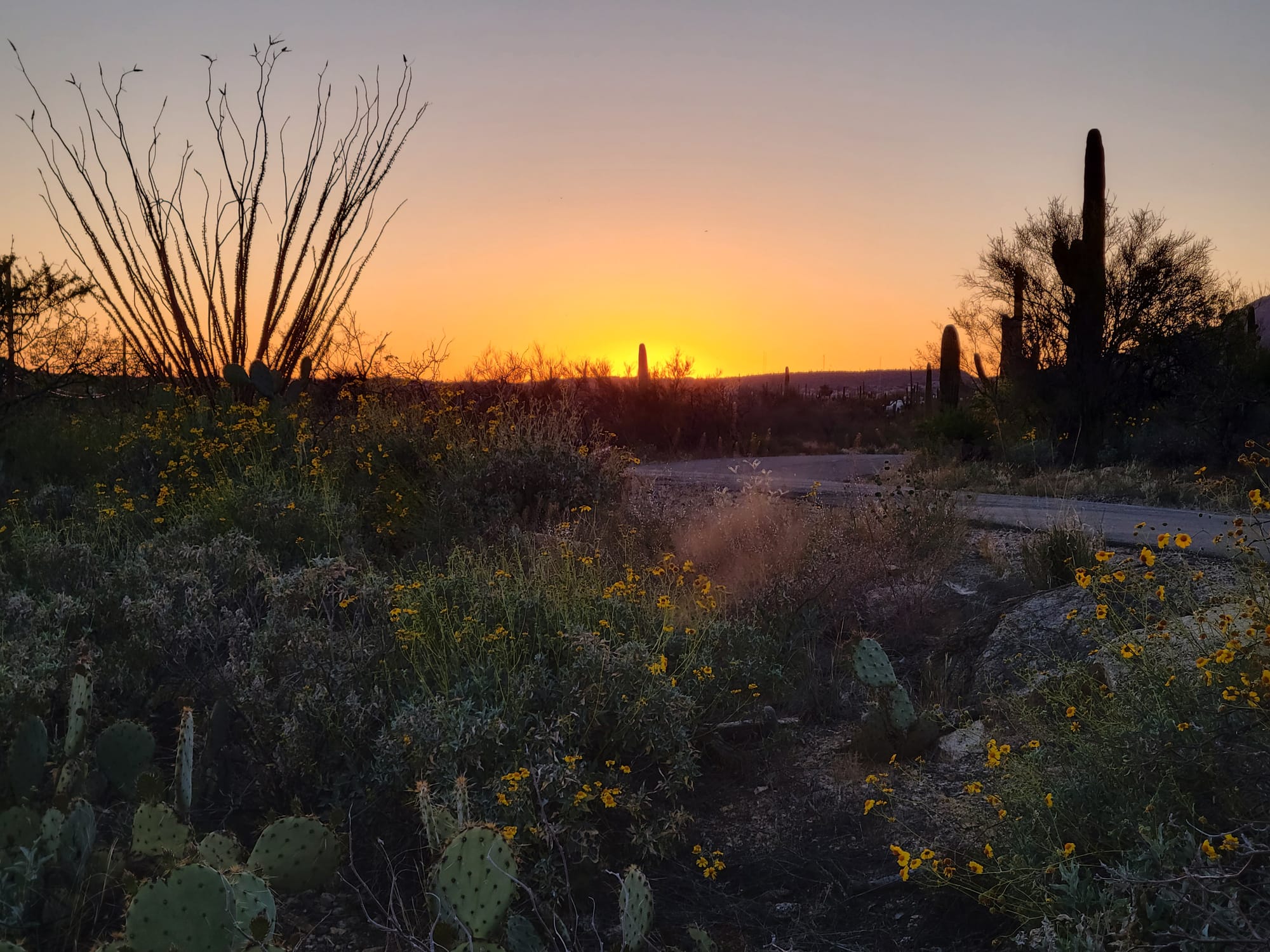
For travelers who prefer smooth, accessible paths alongside deep educational context, Phoenix's Desert Botanical Garden is an essential stop. Spanning 140 acres, the garden showcases thousands of desert species, including dozens of massive saguaros along the Sonoran Desert Nature Loop Trail. Interactive exhibits explain how these cacti absorb hundreds of gallons of water during summer monsoons and serve as nesting habitat for desert wildlife, including Gila woodpeckers and screech owls.
5. Picacho Peak State Park
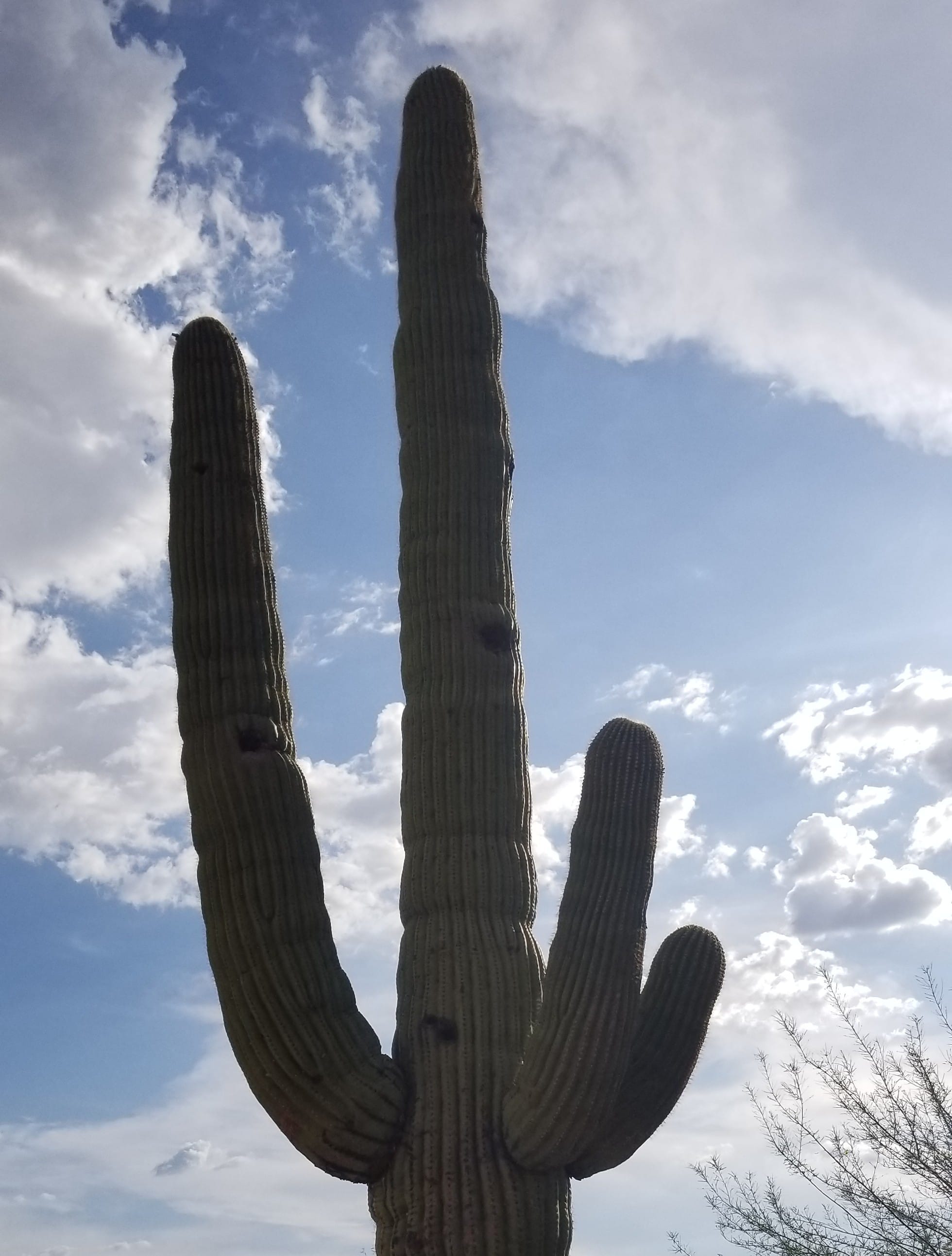
Most travelers recognize Picacho Peak from Interstate 10, but many never realize the surrounding park is home to impressive stands of mature saguaros. Around its base, giant saguaros cover the hillsides alongside palo verde trees, brittlebush, and other Sonoran Desert plants.
Even visitors who choose not to tackle the park's challenging summit hike can enjoy several easier trails that wind through healthy saguaro habitat. The contrast between the towering cacti and the jagged volcanic peak makes this one of central Arizona's most photogenic desert locations.
Spring is an especially rewarding time to visit, when colorful wildflowers transform the desert floor beneath the towering saguaros.
Honorable Mentions
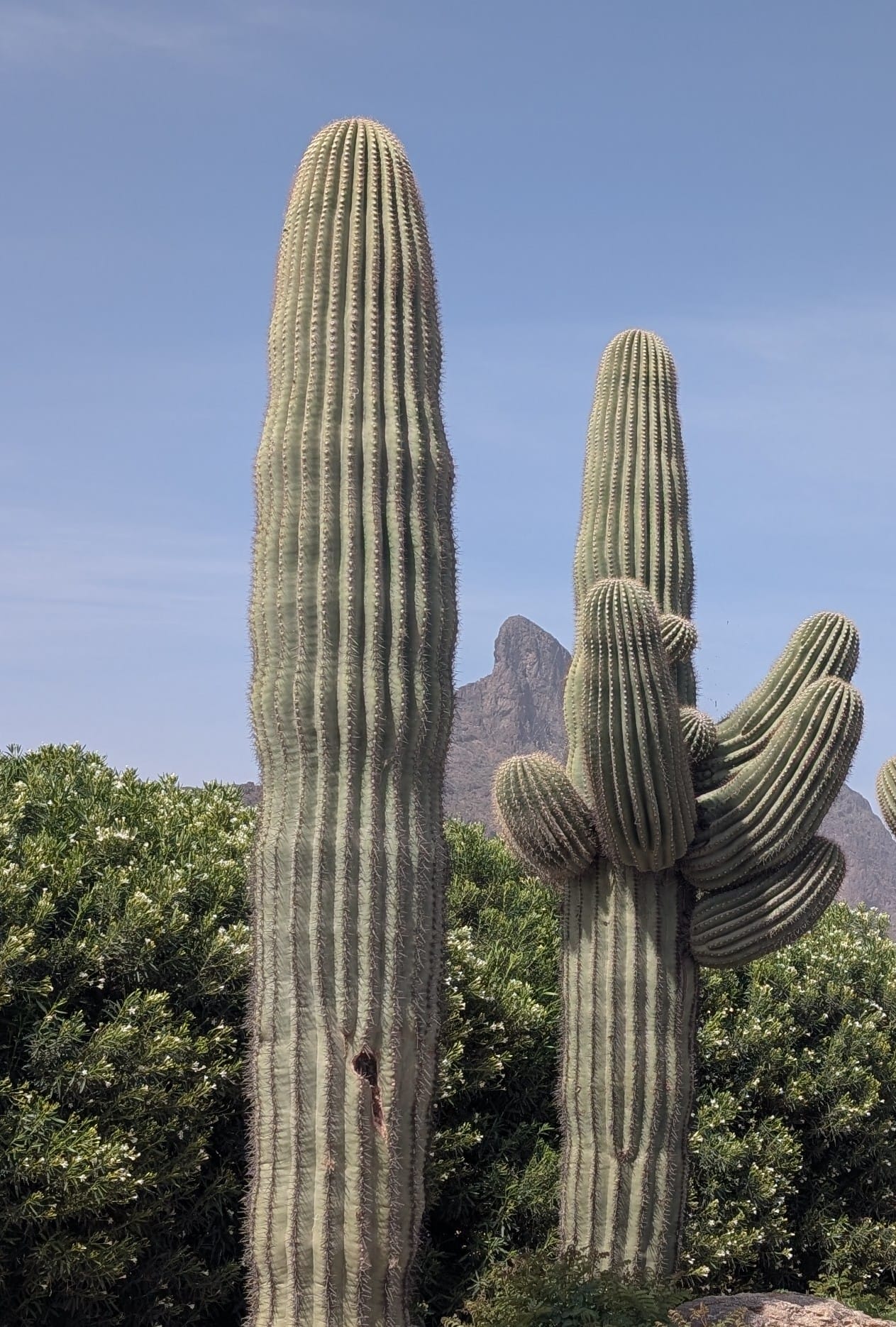
Several other Arizona destinations also offer outstanding opportunities to see giant saguaros. Tucson Mountain Park borders Saguaro National Park West and contains many equally impressive cactus forests. Organ Pipe Cactus National Monument is famous for protecting the only large population of organ pipe cacti in the United States, but it is also home to countless giant saguaros. Lost Dutchman State Park, framed by the sheer cliff faces of the Superstition Mountains, offers one of the most iconic landscapes in the Phoenix metro area.
Icon of the Southwest
Arizona offers countless opportunities to experience giant saguaros, but these five destinations stand above the rest. Each location showcases the Sonoran Desert at its very best.
Standing beneath a mature saguaro is a humbling experience. These remarkable cacti have survived scorching summers, freezing winters, lightning strikes, and decades of drought. Some were already towering over the desert long before Arizona became a state. Visiting these incredible places is one of the best ways to appreciate the beauty, resilience, and uniqueness of Arizona's most iconic plant.
Subscribe to Roam Arizona
Sign up to get new Arizona stories, hidden gems, and updates delivered to your inbox.
You’re officially on the trail.
Peek at your inbox (or the spam gulch) for your first map.