Rockhounding in Arizona: Legalities, Safety, and Top Public Locations for Beginners

Arizona is famous for its dramatic landscapes, towering saguaros, and rich mining history. Beneath those scenic vistas lies another treasure that attracts outdoor enthusiasts from around the world. The state is one of the premier destinations in the United States for the hobby of hunting for rockhounding.
From colorful agates and jasper to quartz crystals and even petrified wood, Arizona offers countless opportunities for beginners to discover fascinating geological specimens. Before heading into the desert with a rock hammer and bucket, it is important to understand where collecting is legal, how to stay safe, and which locations are best suited for newcomers.
What Is Rockhounding?
Rockhounding is the recreational collection of rocks, minerals, gemstones, and fossils. Some people enjoy it as a casual outdoor activity, while others become serious collectors who spend years searching for rare specimens.
Arizona's geological diversity makes it especially attractive for rockhounds. Volcanic activity, ancient seabeds, mountain-building events, and millions of years of erosion have created a landscape rich in collectible materials.
For beginners, the appeal is simple. Rockhounding combines hiking, exploration, history, and the excitement of finding something unique hidden in plain sight.
Understanding Arizona's Rockhounding Laws
One of the biggest mistakes new rockhounds make is assuming they can collect anywhere. Arizona contains a mix of federal, state, tribal, and private lands, each with different rules.
Collecting small quantities of common rocks and minerals for personal use is generally permitted on many lands managed by the Bureau of Land Management. Recreational collecting is typically limited to reasonable amounts and cannot involve commercial mining activities.
National parks are a different story. Removing rocks, minerals, fossils, or other natural features from places such as Grand Canyon National Park is strictly prohibited. Visitors must leave everything exactly where they find it.
State parks often have their own regulations, and many prohibit collecting altogether. Always check the rules before visiting.
Tribal lands require permission from the governing tribal authority. Collecting without authorization is illegal and can result in significant penalties.
Private property also requires the landowner's permission. Many historic mining districts and mineral-rich areas are privately owned.
Before any rockhounding trip, verify land ownership and current regulations. Conditions and rules can change over time.
Essential Safety Tips
Arizona's landscapes are beautiful, but they can also be unforgiving.
Summer temperatures in lower desert regions frequently exceed 100 degrees. Heat-related illnesses are among the greatest dangers facing outdoor recreationists. Carry more water than you think you will need and avoid afternoon excursions during the hottest months.
Always let someone know where you are going and when you expect to return. Cell service can be unreliable in remote areas.
Watch for wildlife, including rattlesnakes, scorpions, and Africanized honey bees. Most encounters can be avoided by staying alert and watching where you place your hands and feet.
Wear sturdy footwear. Many collecting areas feature loose rock, steep slopes, old mine tailings, and sharp volcanic material.
Abandoned mines present another serious hazard. Never enter old mine shafts, tunnels, or adits. Collapses, toxic air, and hidden vertical drops make them extremely dangerous.
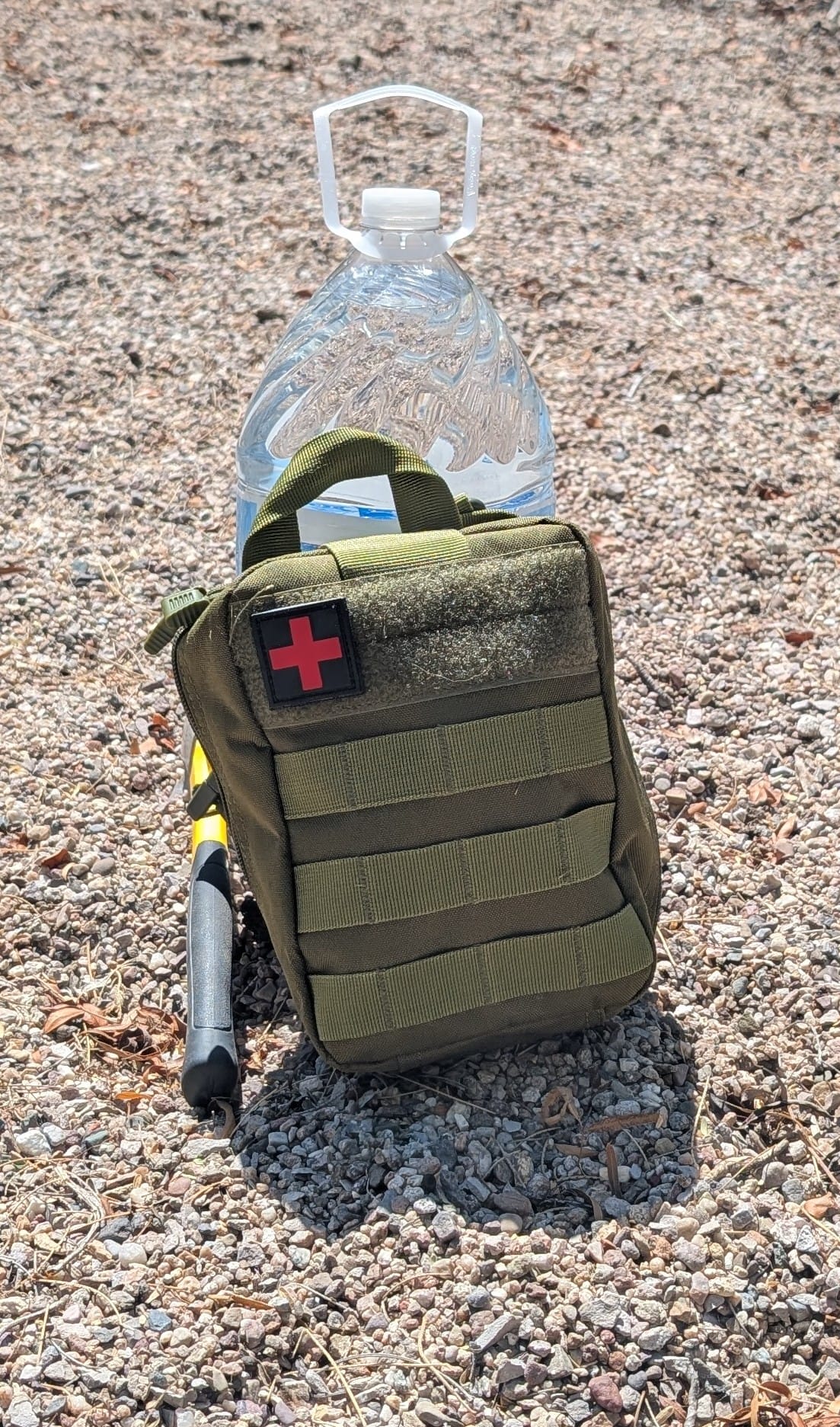
Basic equipment for beginners should include plenty of water, sun protection, a first-aid kit, gloves, safety glasses, a small rock hammer, and containers for collected specimens. Before you pack your gear, it helps to research recent field reports. Websites like rockhounding.org offer excellent community-driven maps, regional guides, and updated access notes that can help you verify land boundaries before you step foot on the trail.
Top Public Rockhounding Locations for Beginners
Arizona offers hundreds of collecting sites, but a few stand out as excellent starting points for newcomers.
Saddle Mountain
Located west of Phoenix near Tonopah, Saddle Mountain is one of Arizona's most popular beginner-friendly rockhounding destinations. The terrain is relatively accessible, and many collectors have success simply walking washes and exposed desert surfaces.
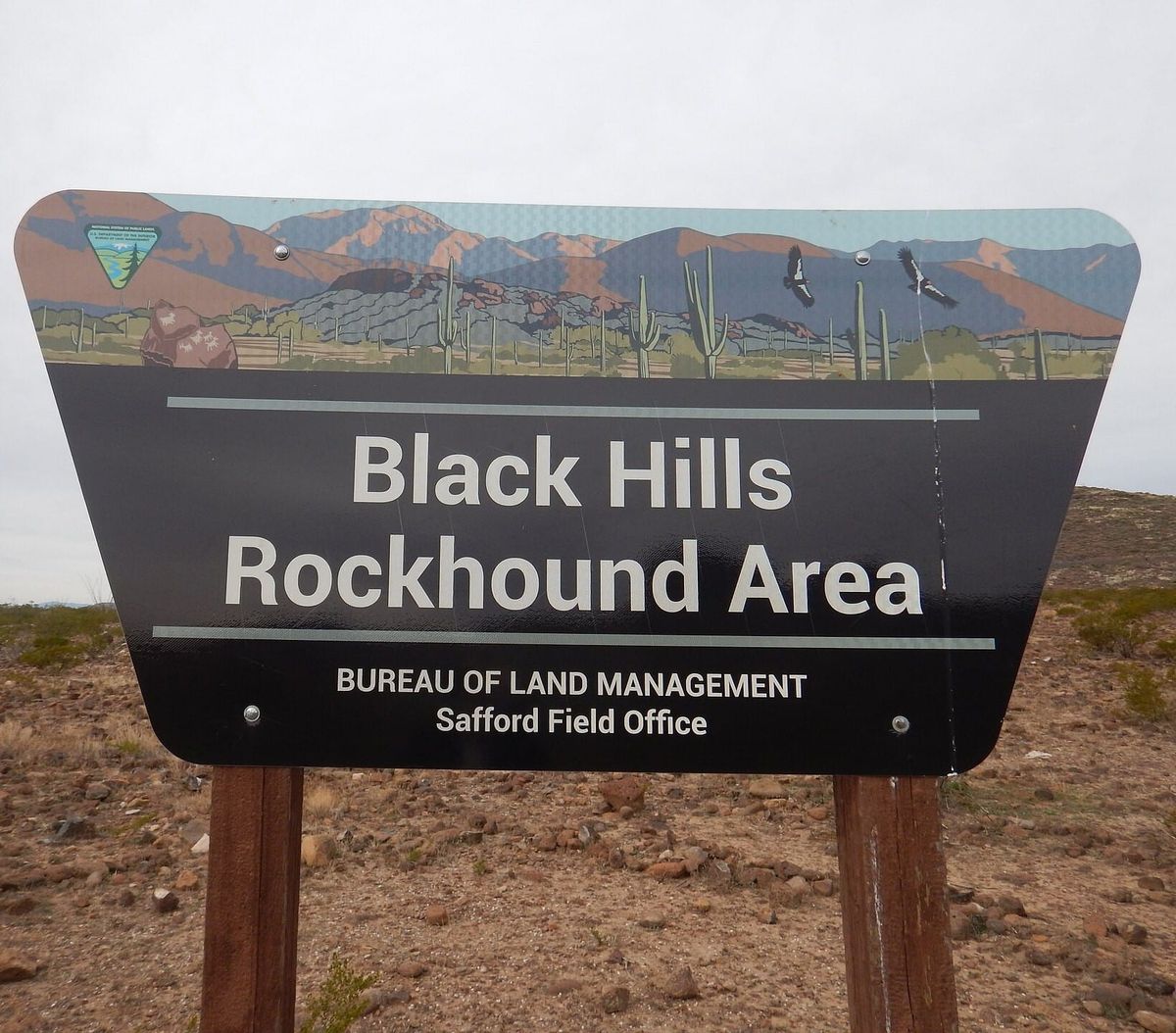
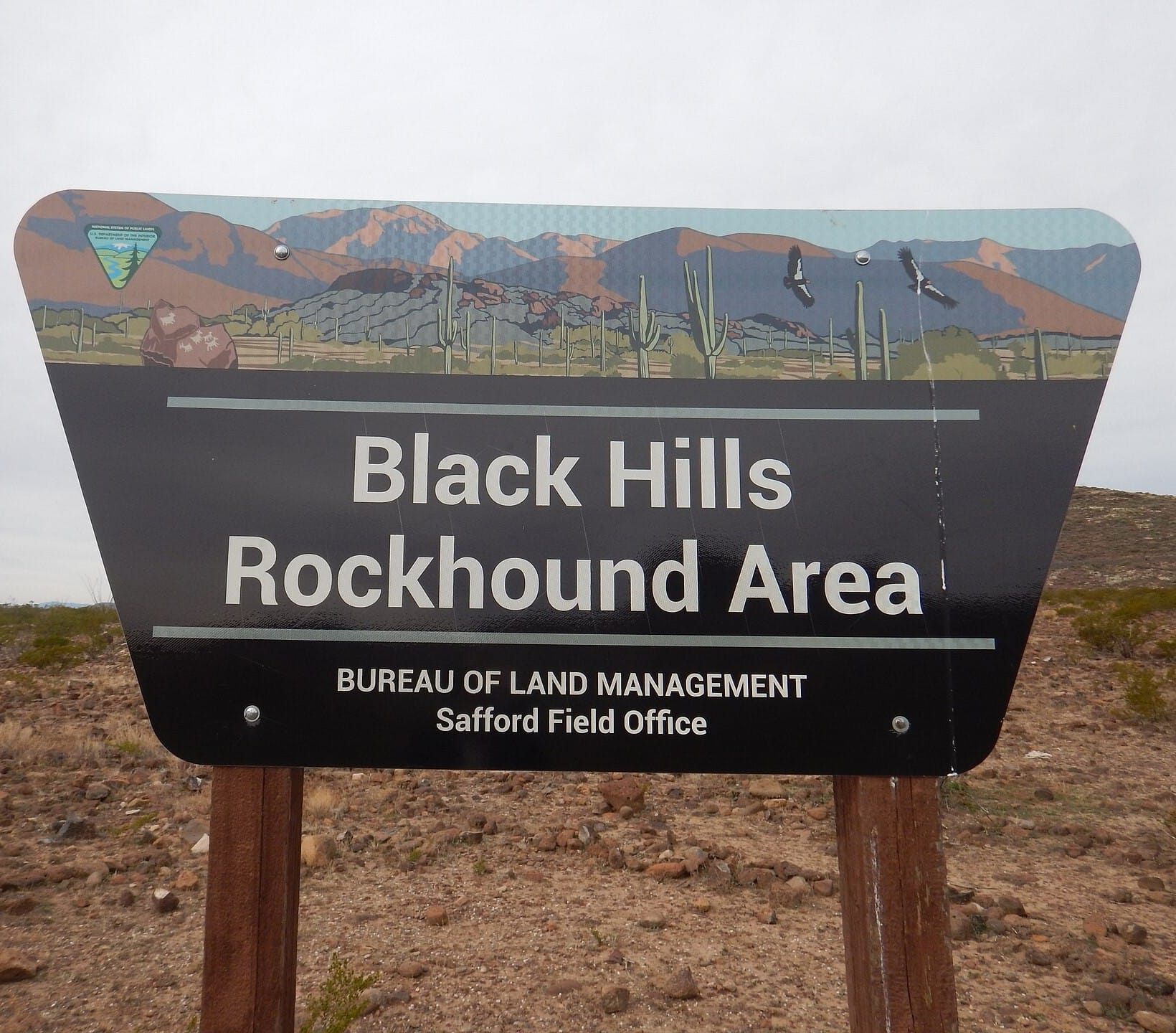
Black Hills Rockhound Area
Situated near Safford, this designated rockhounding area is managed specifically for recreational collectors. Visitors can search for geodes, quartz crystals, and various mineral specimens. It is one of the best places for newcomers to learn the hobby while remaining on public land where collecting is permitted.
Burro Creek
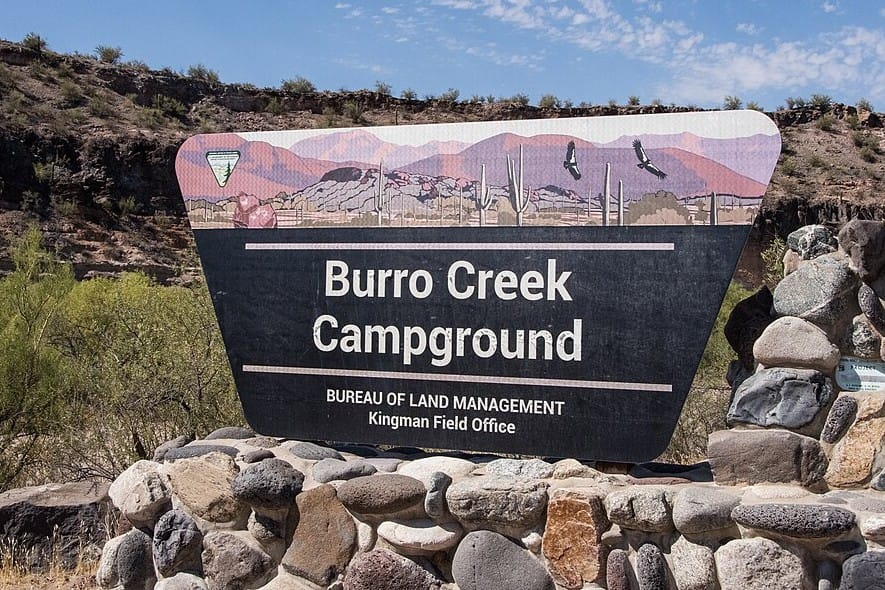
Northwest of Wickenburg, Burro Creek is famous for its colorful agates and jasper. Seasonal water flow exposes new material over time, creating excellent opportunities for collectors. The area's scenic desert setting also makes it a rewarding destination for photography and wildlife viewing.
Round Mountain
Located near Duncan in southeastern Arizona, Round Mountain is known for abundant quartz crystals. The site has attracted collectors for decades and remains one of the state's most accessible crystal-hunting destinations. Beginners often appreciate the relatively high likelihood of finding recognizable specimens.
The Ultimate Inspiration: The Tucson Gem Show
If you want to see what these raw stones look like when they are fully cleaned, cut, and polished, plan a trip to the Tucson Gem, Mineral & Fossil Showcase. Held every year across January and February, it is the largest gem and mineral event on earth. The showcase features dozens of shows scattered across the city, where beginners can buy cheap rough material, chat with experienced lapidary artists, and see some of the rarest minerals ever unearthed in Arizona.
Ethical Rockhounding Practices
Responsible collecting helps preserve Arizona's natural resources and ensures future generations can enjoy the hobby. Take only what you need and avoid excessive collecting. Fill any holes you dig and pack out all trash. Respect wildlife habitats and archaeological sites.
If you encounter historic artifacts, petroglyphs, or cultural resources, leave them untouched and report significant discoveries to the appropriate land management agency. Good rockhounds leave an area looking much the same as when they arrived.
Why Arizona Is a Rockhound's Paradise
Few states offer the variety of collecting opportunities found in Arizona. Whether you are searching for sparkling quartz crystals, colorful agates, volcanic specimens, or remnants of ancient geological processes, there is always something new to discover.
For beginners, the combination of accessible public lands, diverse geology, and year-round opportunities makes Arizona one of the best places in the country to start rockhounding. With a little preparation, respect for the rules, and attention to safety, your next desert hike could end with a pocket full of geological treasures and a deeper appreciation for the landscapes that make Arizona unique.
Subscribe to Roam Arizona
Sign up to get new Arizona stories, hidden gems, and updates delivered to your inbox.
You’re officially on the trail.
Peek at your inbox (or the spam gulch) for your first map.