Cowboy Coffee: The Original Arizona Energy Drink
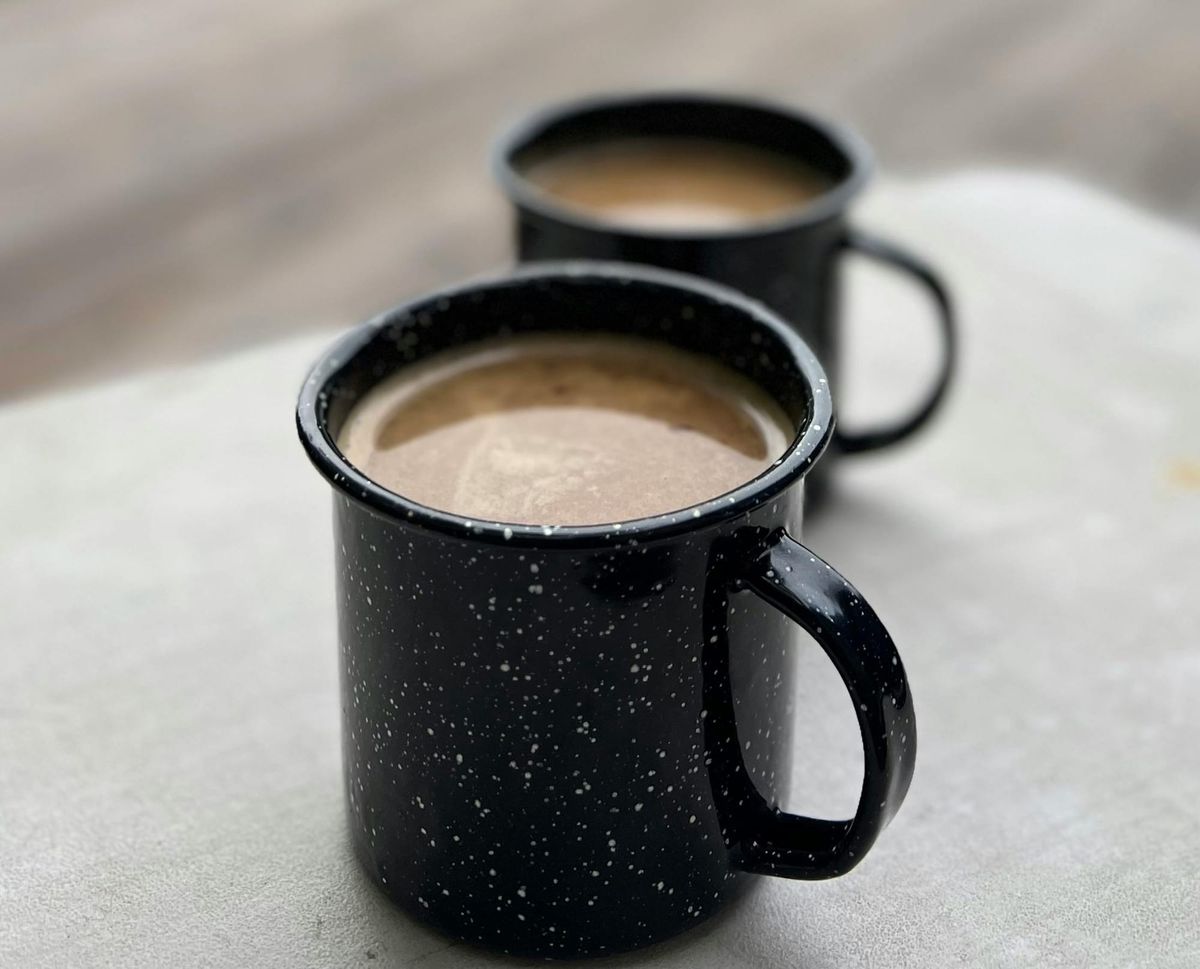
Long before neon signs lit up the major cities or espresso bars took hold in places like Flagstaff, the Arizona Territory was fueled by something far simpler. In the 1800s, coffee was not about cafes or menus. It was about function. It was heat, caffeine, and routine in a place that demanded all three.
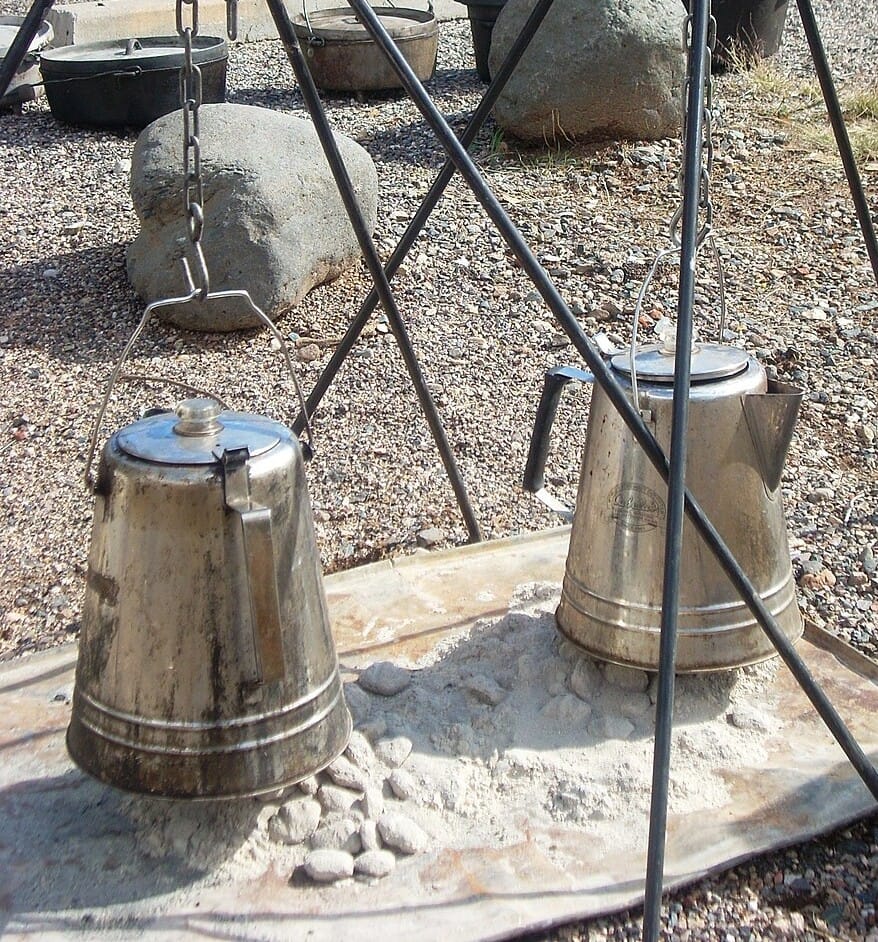
At the center of that world sat the campfire coffee pot. What we now call cowboy coffee has a reputation for being harsh or gritty, but that reputation usually comes from doing it wrong. Done properly, it is one of the most practical and satisfying ways to make coffee, especially if you spend any time off pavement in Arizona.
The Coffee That Traveled West
In the 19th century, coffee became a staple across the American West because it was durable, portable, and easy to prepare in large quantities. Before John Arbuckle came along, coffee was often sold green. Soldiers and ranchers had to roast their own beans over open fires, leading to inconsistent and often scorched results. Arbuckle changed the game by selling pre-roasted beans coated in a glaze of egg white and sugar to seal in the flavor. Arbuckle's Ariosa Coffee became one of the most widely distributed brands of the time.
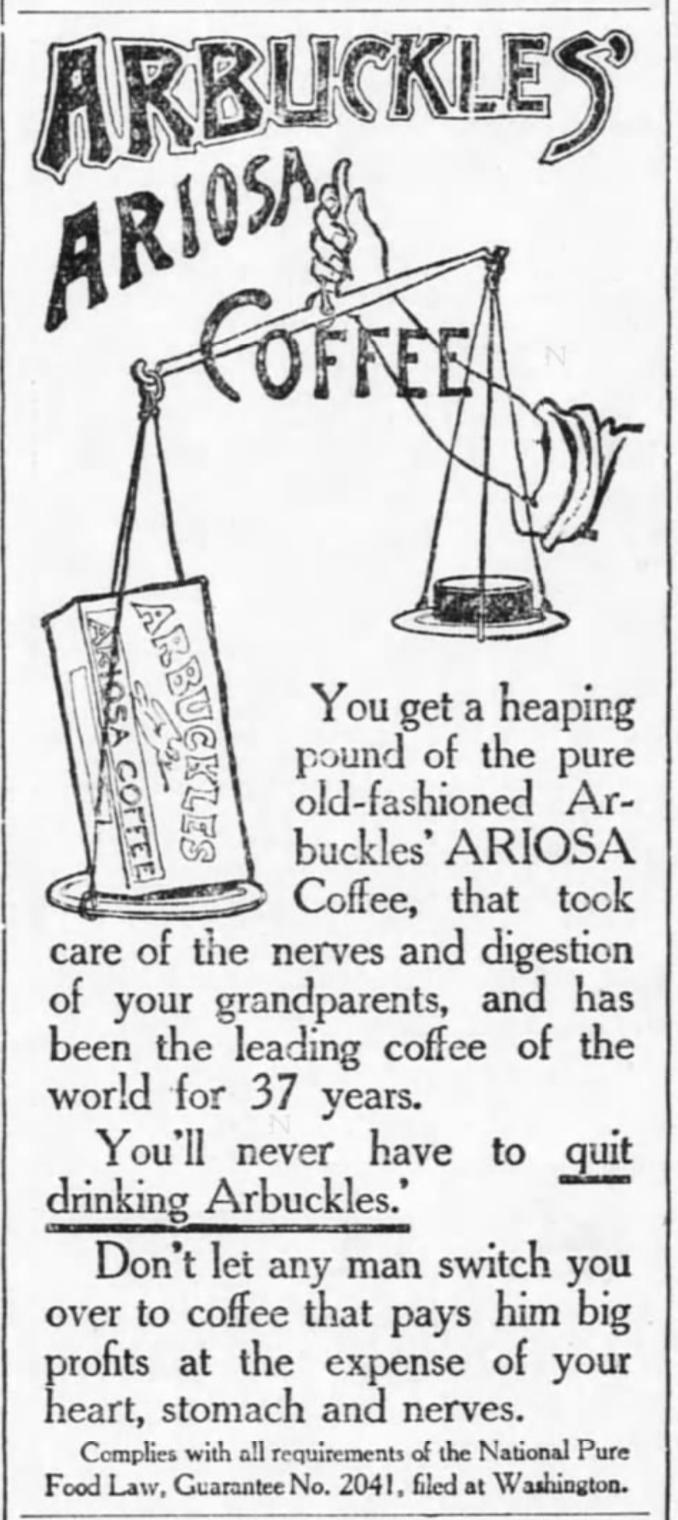
There are stories about Arbuckle packages including small incentives and becoming a kind of informal trade item. While details vary depending on the source, what is clear is that coffee itself became a shared ritual. It was one of the few daily routines that brought people together in otherwise isolated environments.
The Physics of the Campfire Pot
The biggest misconception about cowboy coffee is that it is just boiled coffee. In reality, boiling is the enemy of flavor. If you let the water reach a rolling boil once the grounds are in, you will extract harsh compounds and leads to the bitterness people associate with battery acid.
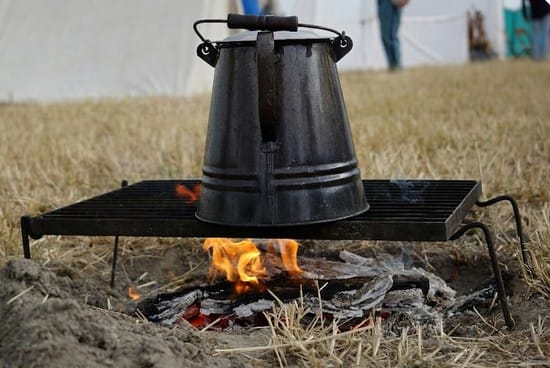
True cowboy coffee is an immersion method, much like the modern French Press but without the mechanical filter. The process relies on thermal mass and gravity. You start by bringing your water to a simmer in an enamel pot or a simple tin vessel. Once the water hits that sweet spot just below boiling, you remove it from the heat and stir in your coarsely ground beans. Let it steep for several minutes without aggressive bubbling.
Clarifying the Brew
The challenge of cowboy coffee has always been the "mud" at the bottom of the cup. To solve this, Arizona pioneers used a few ingenious tricks of physics.
- The Eggshell Method: Adding crushed eggshells to the pot serves a dual purpose. The calcium carbonate helps neutralize the acidity of the beans, while the physical structure of the shells helps bind the floating grounds together, dragging them to the bottom.
- The Cold Water Shock: Once the coffee has steeped for a few minutes, a splash of cold water poured down the spout or over the top of the brew creates a temperature differential. This encourages grounds to sink rapidly to the base of the pot.
- The Centrifuge: While more dramatic than necessary, some old timers would swing the entire pot in a vertical circle. The centrifugal force would pin the grounds to the bottom, allowing for a clean pour.
You do not need to overthink it. A steady hand while pouring matters more than any trick.
Sourcing Beans for the High Desert
If you are brewing this while camping in the Superstition Wilderness or along the Mogollon Rim, your choice of bean matters. Lighter roasts that highlight citrus or floral notes can come across as sharp in this style of brewing. While these are excellent for a pour over at a downtown Phoenix cafe, they can become unpleasantly sour when brewed in a campfire pot.
A medium to dark roast tends to hold up better. These roasts produce a more balanced, grounded flavor that works well with the less controlled environment of a campfire.
Local Arizona roasters are a good place to start, but the key is less about brand and more about choosing a roast profile that is forgiving and full-bodied.
Why This Method Still Matters
Cowboy coffee fits naturally into the kind of travel many people are looking for now. It is slower, more deliberate, and less dependent on gear.
There is a different kind of rhythm when your morning starts with heating water over a flame and waiting for the grounds to settle. In places like Sedona, where the landscape already forces you to slow down, the method feels appropriate.
Sustainability and Simplicity
Beyond the nostalgia, this is the ultimate zero waste brewing method. There are no paper filters to pack out and no plastic waste to clutter your rig. The spent grounds can be scattered well away from your campsite as natural organic matter. Every ounce of weight matters for overlanders and backpackers. It reduces your kit to the essentials and rewards consistency over precision tools. For camping, overlanding, or even a roadside stop, it is hard to beat.
A Sensory Experience
The flavor profile of a well executed cowboy coffee is distinct. It is not as clean as a paper-filtered pour over, but that is part of the appeal. When you drink it outside, surrounded by desert air or pine forests, it feels less like a compromise and more like the right tool for the setting. It becomes an extension of the Arizona landscape itself.
The Cowboy Coffee Glossary
To truly appreciate this tradition, one should know the language of the trail:
- Arbuckle’s: Gold standard of Western coffee
- Bellywash: Weak coffee
- Six Shooter Coffee: A strong brew
- Mud: Sediment at the bottom of the cup
End of the Trail
The campfire pot remains a symbol of Arizona independence. Cowboy coffee is not about nostalgia for its own sake. It is about using a method that works, with tools that last, in a place that still rewards self-reliance.
The next time you are miles from a highway or standing at the edge of camp at sunrise, skip the complicated setup. Heat the water, add the grounds, and give it time.
Subscribe to Roam Arizona
Sign up to get new Arizona stories, hidden gems, and updates delivered to your inbox.
You’re officially on the trail.
Peek at your inbox (or the spam gulch) for your first map.