Clifton Cliff Jail: Arizona's Jail Carved Into a Mountainside

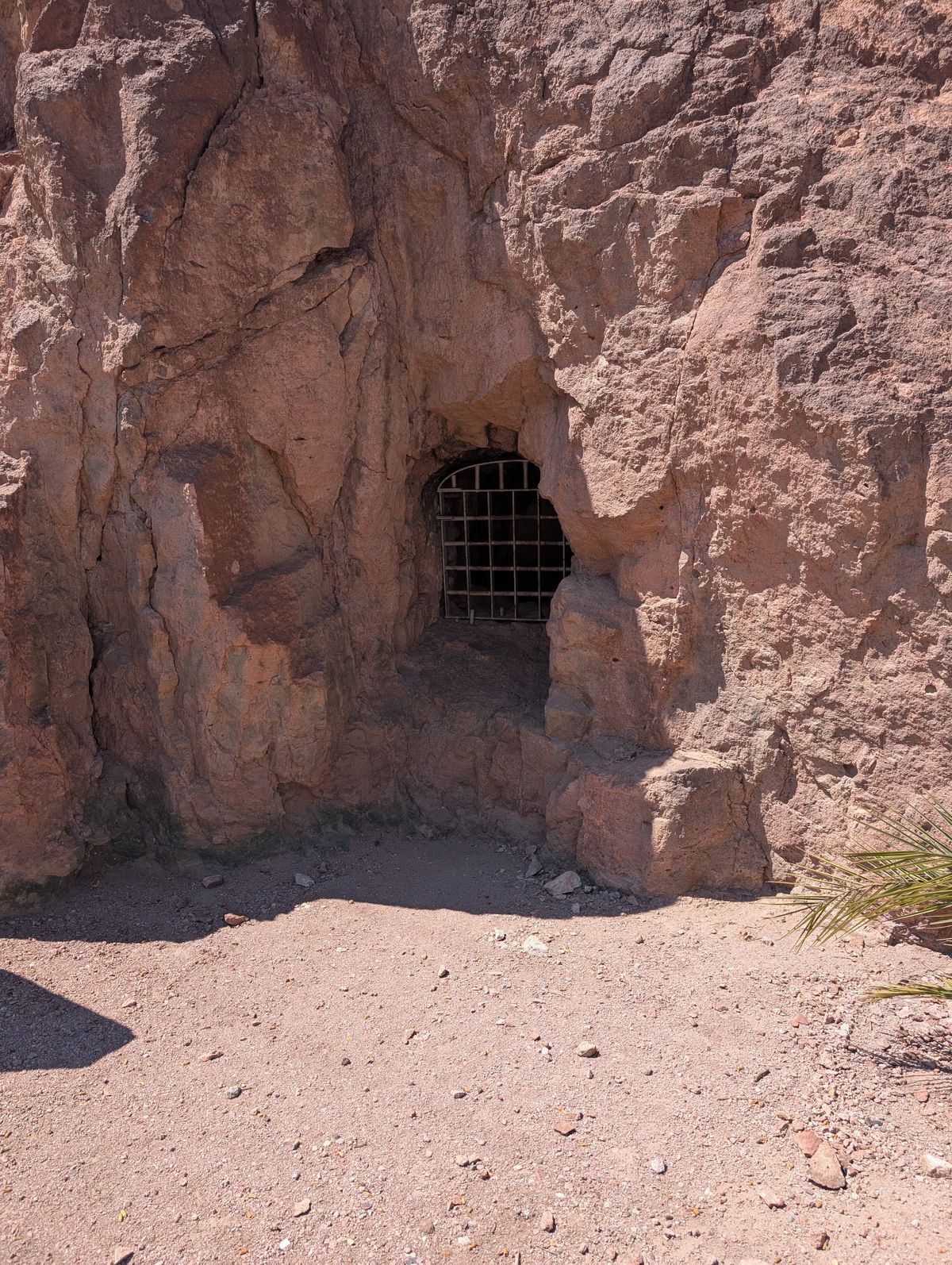
The historic mining town of Clifton holds one of the most unusual pieces of frontier justice infrastructure in the Southwest. At first glance, it would have been easy to walk right past it. There is no towering stone fortress or imposing brick courthouse. Instead, the Clifton Cliff Jail is literally carved into the side of a rocky hillside, making it one of the most unique jails in the American Southwest.
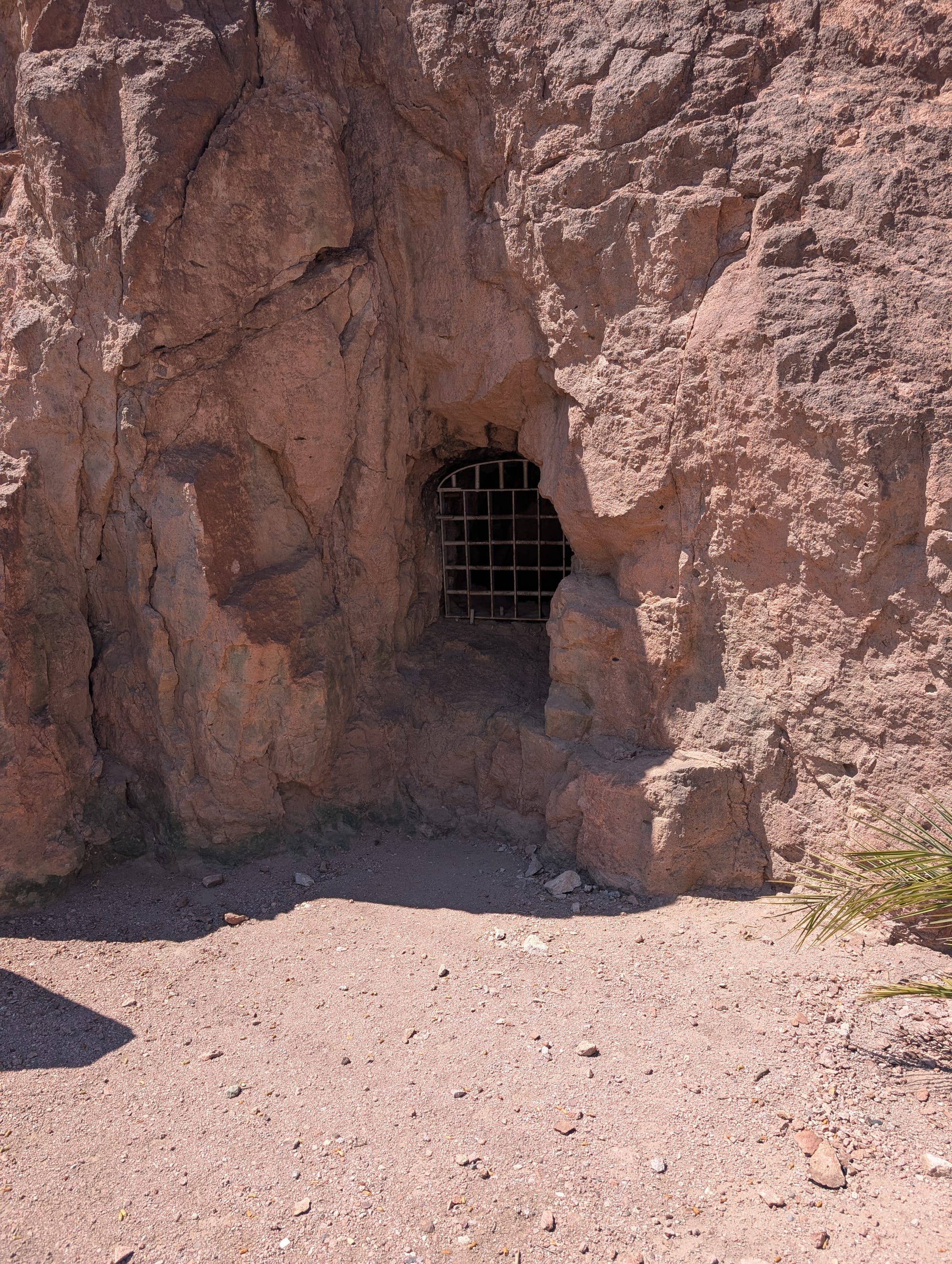
Built during Arizona's rough mining days, this tiny jail tells the story of a town where copper miners, gamblers, outlaws, and lawmen all crossed paths. More than 140 years later, you can stand before its iron barred entrance and imagine life in one of the Old West's prisons.
Carved from Granite
Clifton exploded into existence during Arizona's copper mining boom in the 1870s. The rapidly growing town attracted miners looking for work, entrepreneurs hoping to strike it rich, and plenty of people trying to take advantage of the chaos that often accompanied frontier communities.
Before the jail was constructed, convicted criminals were commonly sentenced to work in the nearby mines. The problem was simple. Many escaped before completing their punishment and disappeared into the surrounding mountains or neighboring territories. Local leaders needed a jail that would keep prisoners from escaping.
In 1881, the Lesinsky brothers, who owned the prominent local copper mining operations, decided the growing town needed a permanent jail. Local stonemason Margarito Varela was hired to carve it directly into the mountainside using hand tools and blasting powder. The finished jail opened in 1881 and quickly earned a reputation for being nearly impossible to escape.
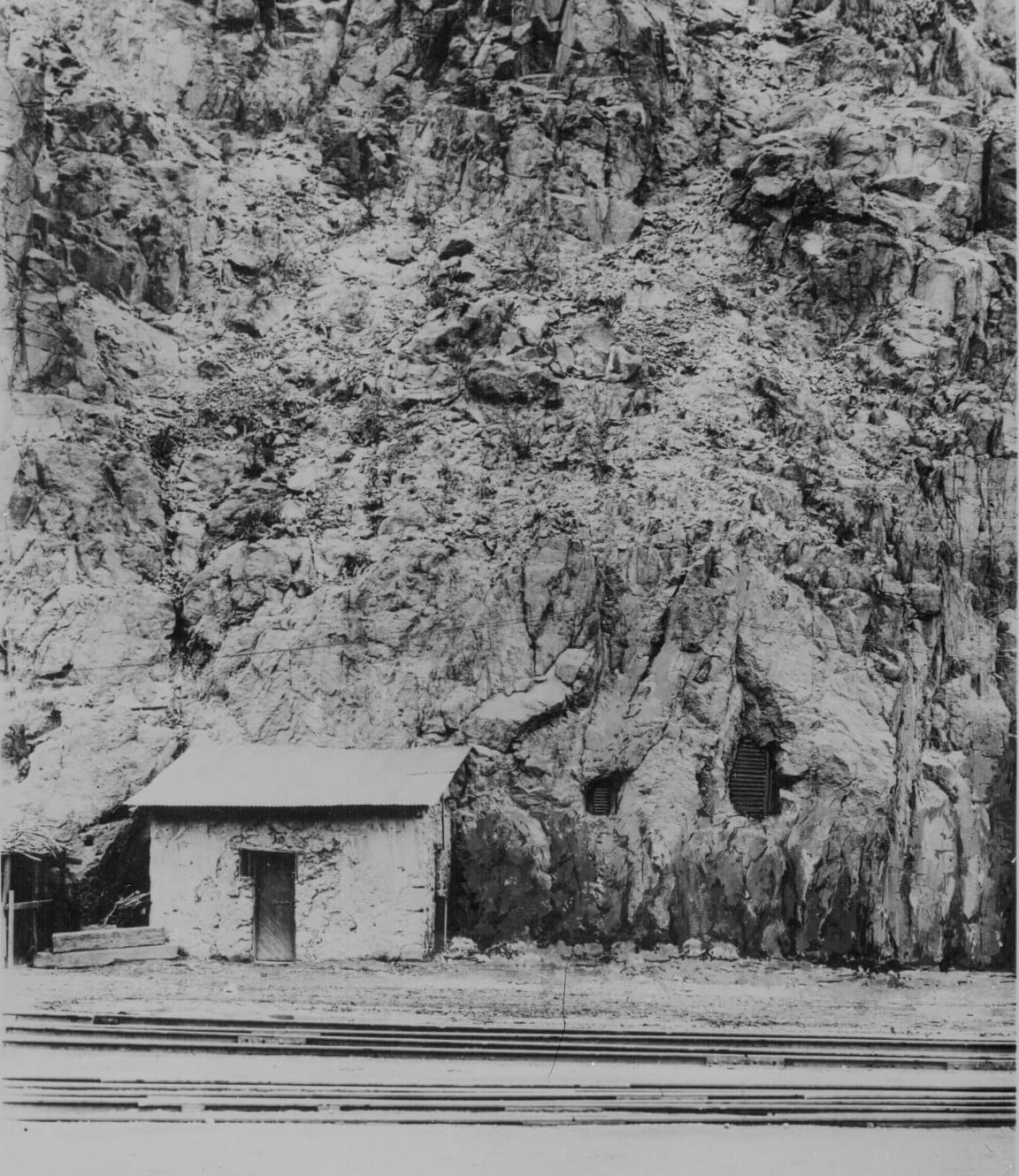
An Ironic First Inmate
The most famous piece of lore surrounding the jail involves its creator. Local history records show that right after Varela finished the grueling blasting work and collected his pay, he went out to celebrate his payday. After consuming a substantial amount of local whiskey at a dance hall, he began firing his pistol into the air to liven up the celebration.
Varela was arrested and became the very first inmate housed inside the jail he had just completed. While historians cannot verify every detail of the story, it has been repeated for generations and remains one of Clifton's best known local legends.
Small But Nearly Escape Proof
The jail was simple but remarkably effective.
Workers blasted two chambers into solid rock. One small cell held dangerous prisoners, while a larger room housed inmates convicted of lesser offenses. Massive iron bars measured approximately two inches wide and three quarters of an inch thick, while heavy iron doors pivoted on solid iron rods. Windows were positioned high above the floor, making escape nearly impossible.
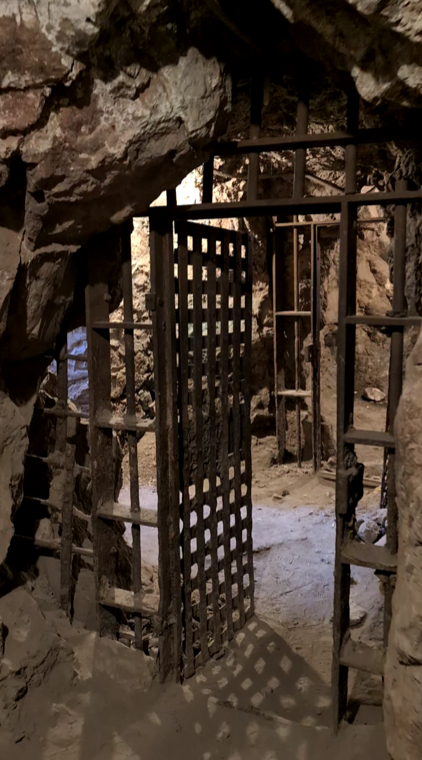
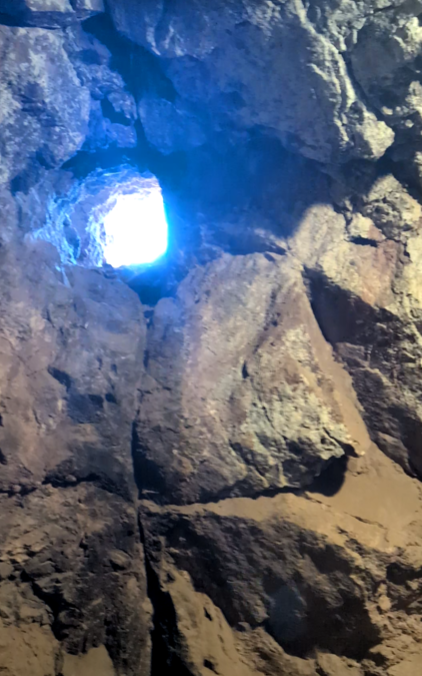
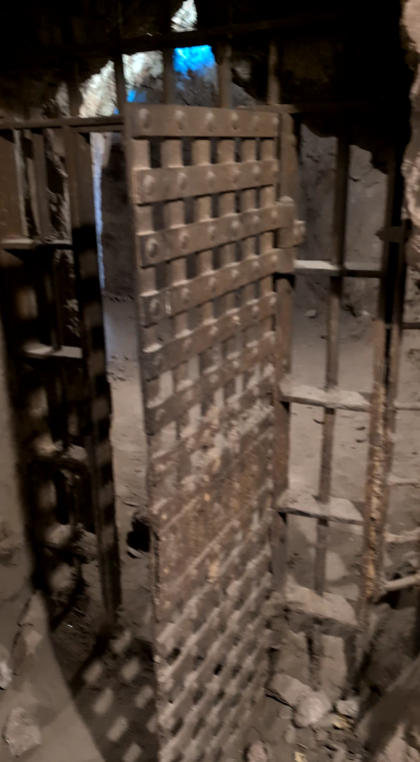
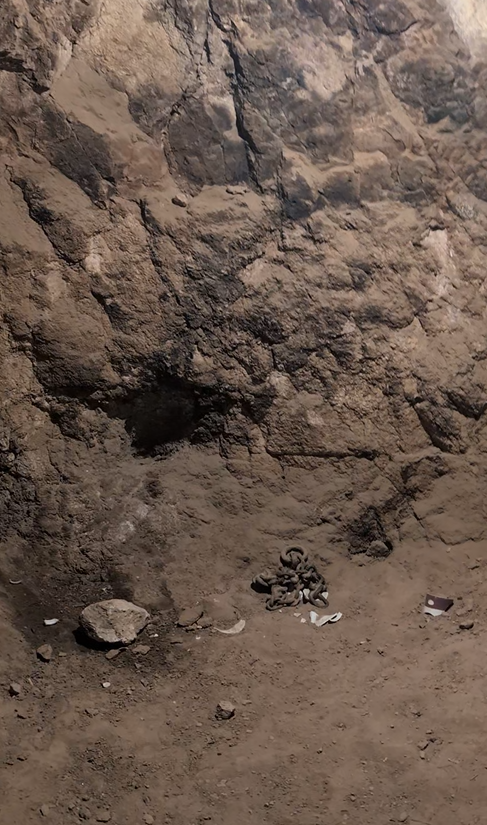
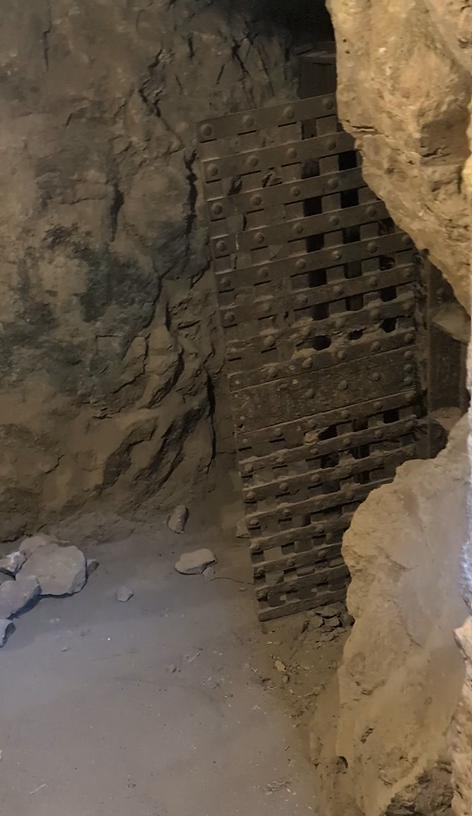
Local accounts claim that no prisoner ever successfully escaped from the Clifton Cliff Jail during its years of operation. Whether completely true or slightly exaggerated over time, the jail's design certainly gave inmates very few options.
The Flood That Ended the Jail
Nature eventually accomplished what no prisoner could.
In 1906, Clifton experienced one of the most devastating floods in its history. Floodwaters and debris filled much of the town, including the cliff jail. Prisoners reportedly had to be rescued through a high window using ropes because the entrance had become inaccessible beneath rising water and mud.
After the flood, the jail was abandoned and gradually filled with sediment. Restoration efforts began decades later, preserving one of Arizona's most unusual pieces of frontier history.
Visiting the Clifton Cliff Jail Today
Today, the Clifton Cliff Jail remains one of the town's most photographed landmarks. Its iron barred entrance still sits against the rock face along Chase Creek, providing visitors with a glimpse into Arizona's mining era.
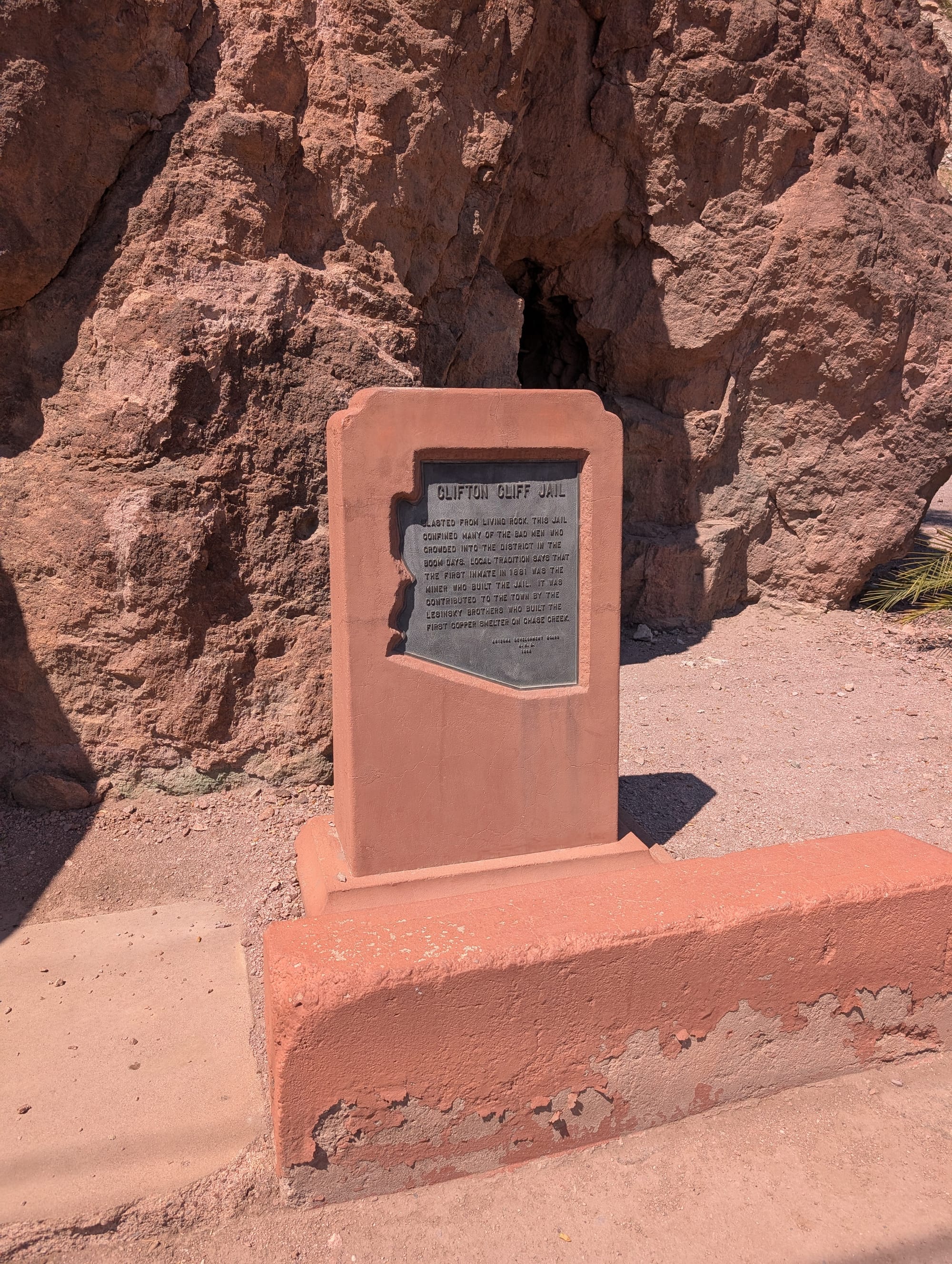
The jail is part of the Clifton Townsite Historic District, which is listed on the National Register of Historic Places. While exploring Clifton, visitors can also discover historic storefronts, colorful hillside neighborhoods, mining history, and scenic views that make this eastern Arizona community one of the state's most overlooked destinations.
Unlike many restored Old West attractions, the Clifton Cliff Jail has changed very little over the years. Standing in front of it, it is easy to picture the days when lawmen led prisoners through the iron doors and frontier justice played out in one of Arizona's most distinctive jails.
Subscribe to Roam Arizona
Sign up to get new Arizona stories, hidden gems, and updates delivered to your inbox.
You’re officially on the trail.
Peek at your inbox (or the spam gulch) for your first map.