Arizona Packing List: What to Wear for a Desert-to-Mountain Trip

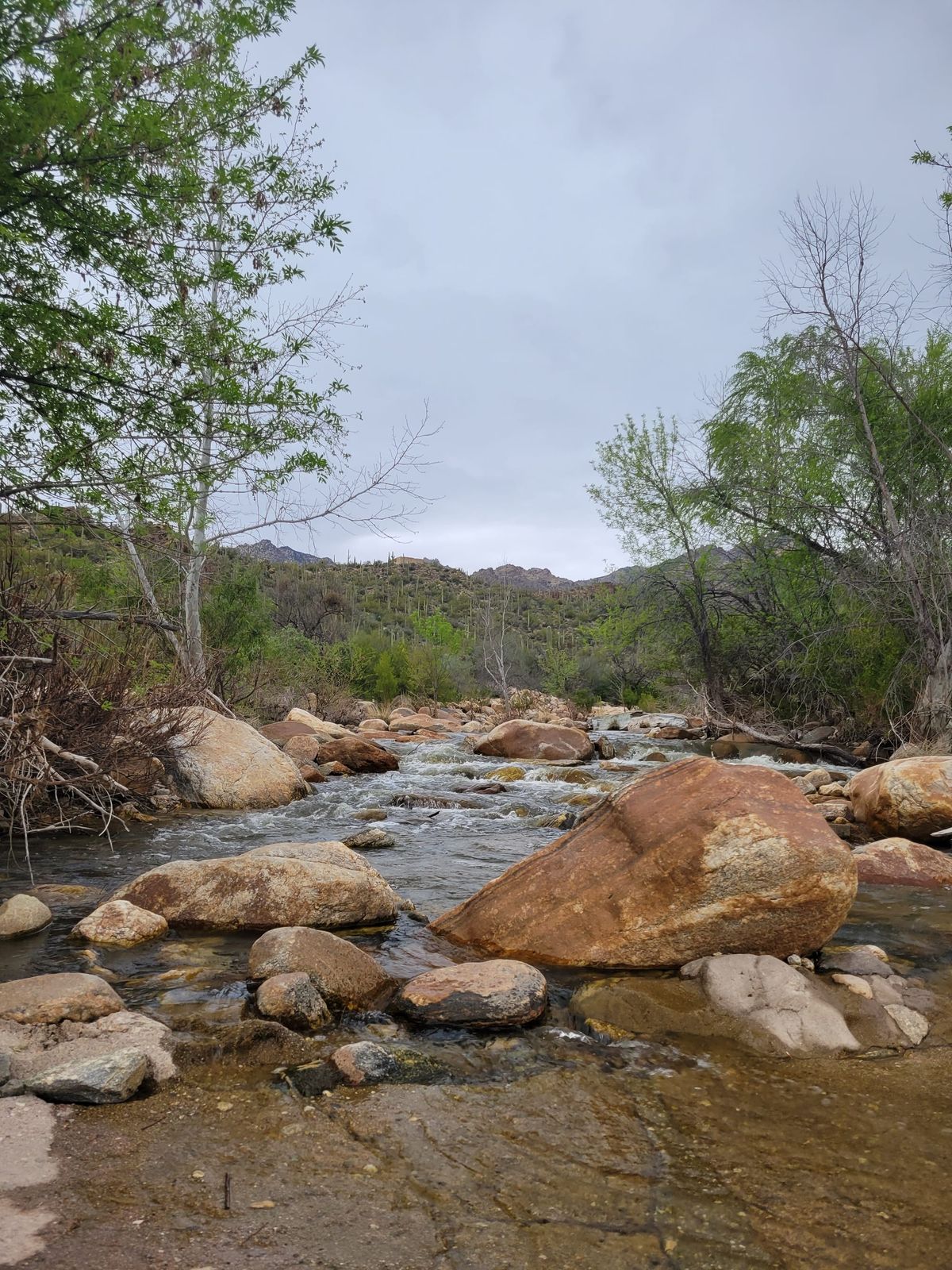
One of the biggest surprises for first time visitors to Arizona is how dramatically the climate changes across the state. Many travelers arrive expecting endless desert heat, only to find themselves shivering in the mountains a few hours later. Arizona is one of the few places in the United States where you can experience cactus-covered desert, pine forests, alpine lakes, and even snow during the same trip.
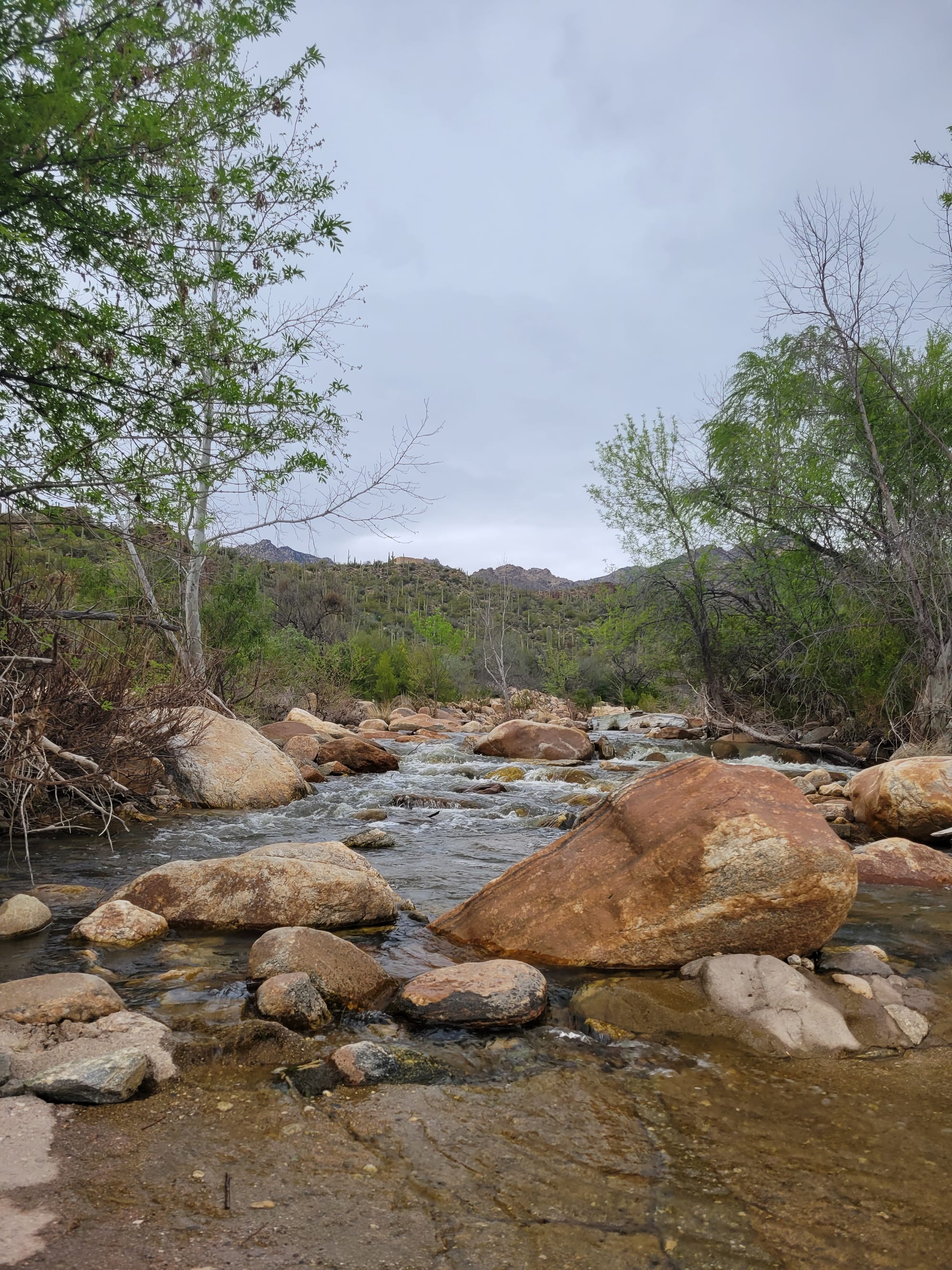
If your itinerary includes destinations like Tucson, Phoenix, Sedona, Flagstaff, the White Mountains, or the Grand Canyon, packing correctly can make the difference between a comfortable adventure and a miserable one. To stay comfortable, you need a wardrobe that transitions smoothly between these drastic environmental shifts. This guide breaks down the essential clothing strategies for tackling Arizona's unique topography.
Understand Arizona's Elevation Changes
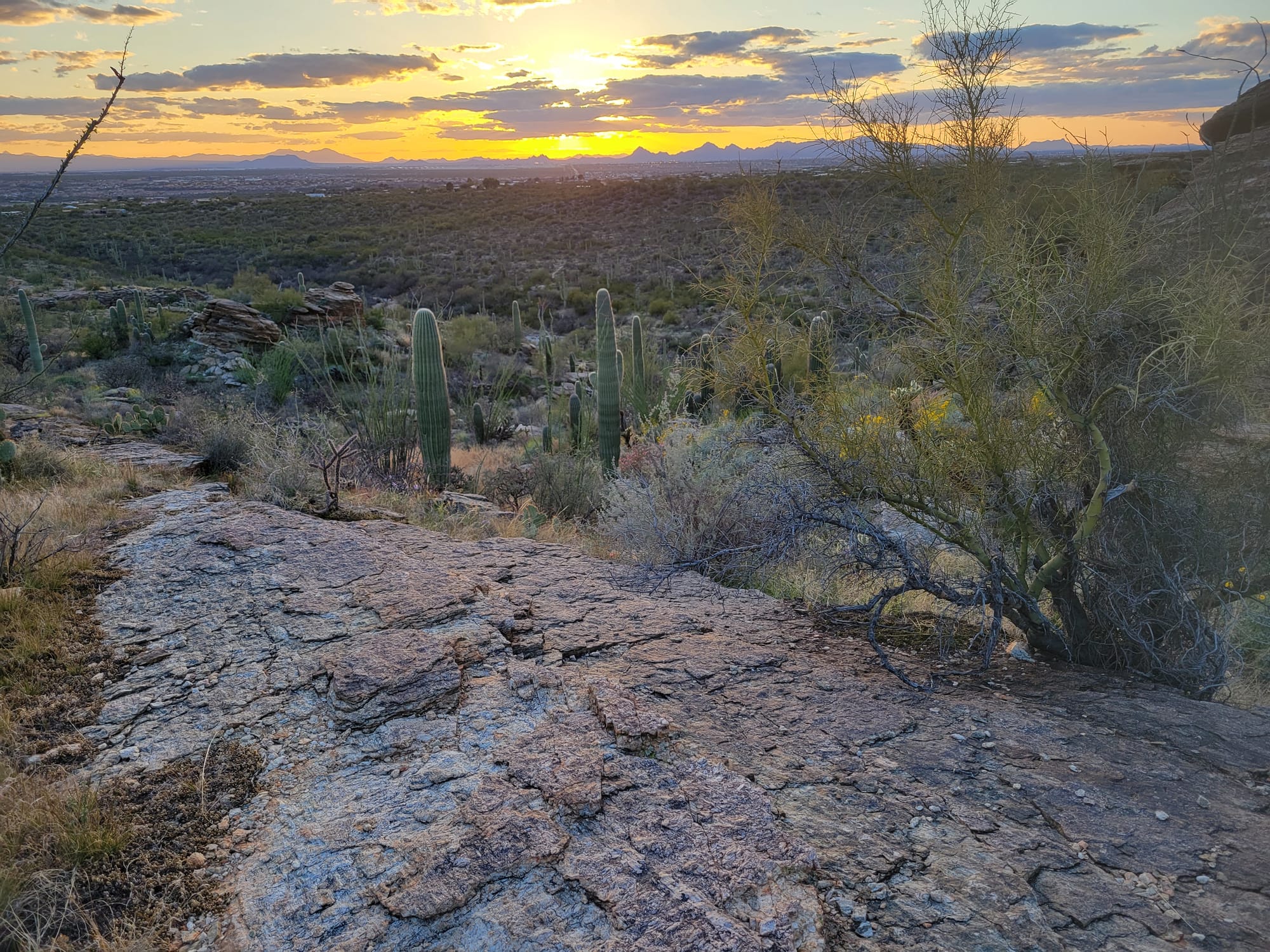
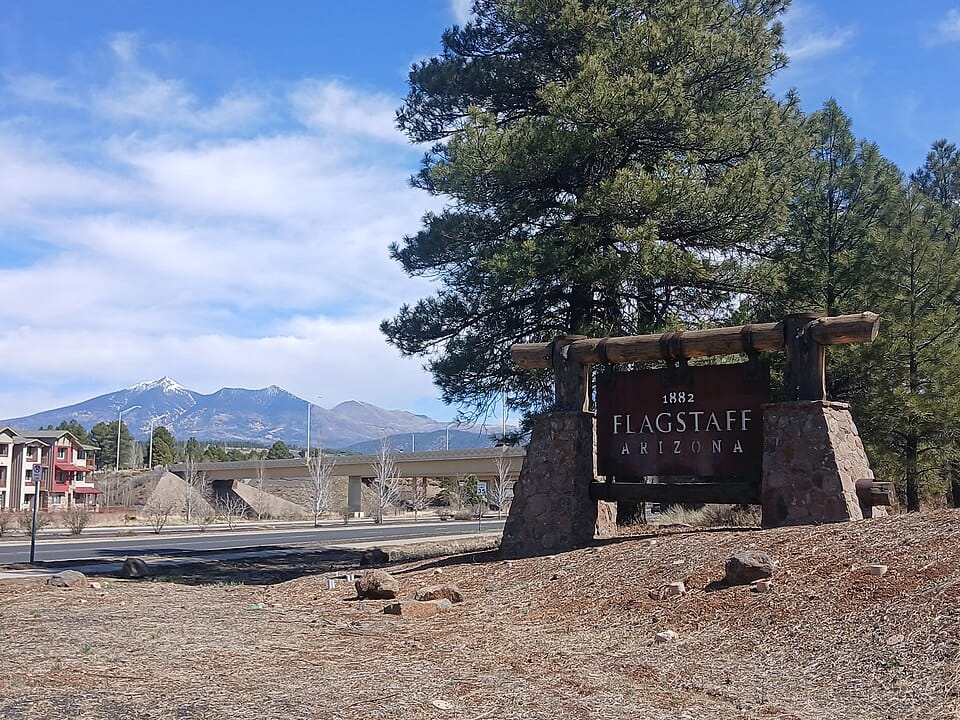
Arizona's weather is heavily influenced by elevation. Southern Arizona deserts sit around 2,000 to 3,000 feet above sea level, while many mountain destinations rise above 7,000 feet. The temperature difference between those locations can easily exceed 30 degrees on the same day.
A summer afternoon in Tucson may reach 105°F while Flagstaff enjoys temperatures in the 70s. During spring and fall, desert communities can feel warm and sunny while mountain towns require jackets after sunset.
Layering is your absolute best defense against these rapid changes. Instead of packing one heavy winter coat or nothing but shorts and t-shirts, you want a modular wardrobe. Every piece of clothing should serve a specific purpose and fit comfortably over or under another piece. This allows you to shed layers as you descend into the canyons or add them back on as you climb the mountain peaks.
Base Layers
Your closest layer to your skin has one primary job, which is keeping you dry. In the desert, dry skin keeps you cool. In the mountains, dry skin keeps you from getting hypothermia when the sun goes down.
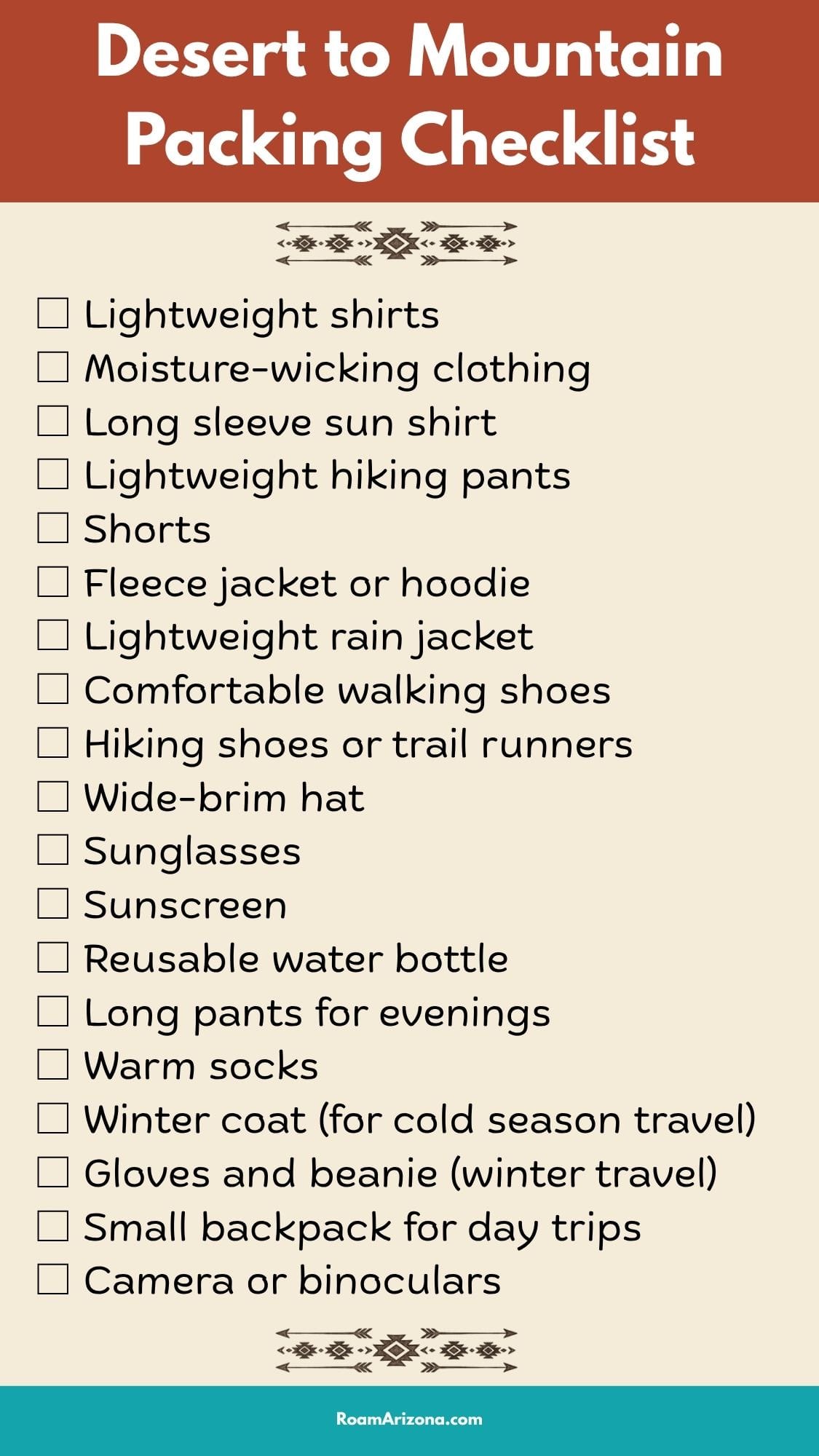
For the desert portions of your trip, lightweight and breathable clothing is your best friend. Moisture-wicking fabrics help keep you cool and dry during hot afternoons. Short sleeve shirts work well for most travelers, though long sleeve sun shirts offer additional protection from Arizona's intense sunlight. Lightweight hiking pants are often more comfortable than jeans, especially during outdoor activities. Many visitors underestimate how powerful the Arizona sun can be. Even on mild days, prolonged exposure can quickly lead to sunburn.
Avoid standard cotton t-shirts entirely. Cotton absorbs sweat like a sponge and holds onto it, which leaves you feeling sticky in the heat and freezing when a cold mountain breeze hits you. Choose lightweight synthetic fabrics like polyester, nylon, or merino wool instead. Merino wool is especially useful for a multi-day trip because it naturally resists odors, regulates temperature beautifully, and dries incredibly fast.
Bring a Warm Layer
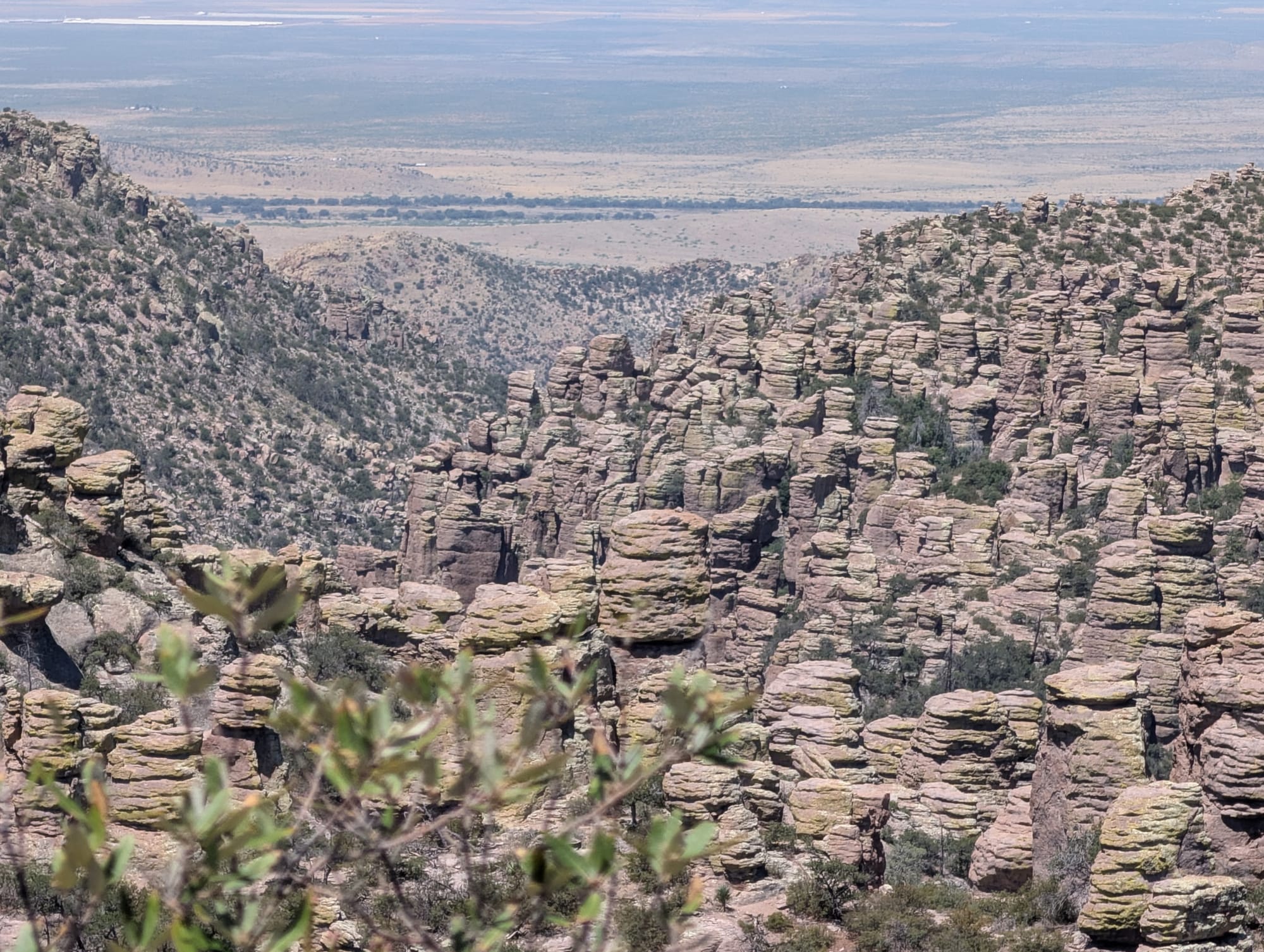
Even if you're visiting during summer, pack at least one warm layer. A lightweight fleece pullover or a packable down jacket is perfect for this role. Down jackets are highly recommended for Arizona travel because they compress into a tiny pouch, taking up almost no space in your luggage. A breathable flannel shirt also works well for casual exploring in mountain towns, providing just enough warmth without causing you to overheat during mild afternoons.
Mountain destinations such as Flagstaff, Greer, and the Grand Canyon's North Rim frequently experience cool mornings and evenings. During spring and fall, overnight temperatures can dip into the 30s and 40s at higher elevations.
Visitors who only pack for desert weather often find themselves buying an emergency sweatshirt during their trip.
Weather Protection
Arizona is famous for its sunshine, but it also experiences violent summer monsoons and sudden mountain snowstorms. Your outer layer needs to shield you from wind and unexpected precipitation.
A lightweight waterproof jacket takes up very little luggage space and can save an outdoor adventure from being cut short. Even if the sky is perfectly clear when you leave your hotel, mountain weather is highly unpredictable, and a sudden afternoon downpour can cause temperatures to plummet in minutes.
A compact rain shell is often one of the most useful items in an Arizona travel bag.
Bottoms and Footwear
The terrain in Arizona is sharp, rocky, and unforgiving. Your pants and shoes need to be durable enough to handle both loose desert gravel and rugged mountain trails.
Convertible cargo pants or sturdy synthetic hiking pants are ideal because they protect your legs from prickly desert brush and cacti while remaining breathable. For footwear, sturdy trail running shoes or hiking boots with aggressive tread are mandatory. If your plans include hiking destinations such as Sedona, Sabino Canyon, or the Grand Canyon, they provide better traction and support. Arizona trails often feature loose gravel, exposed rock, and uneven terrain.
Protect Yourself From the Sun
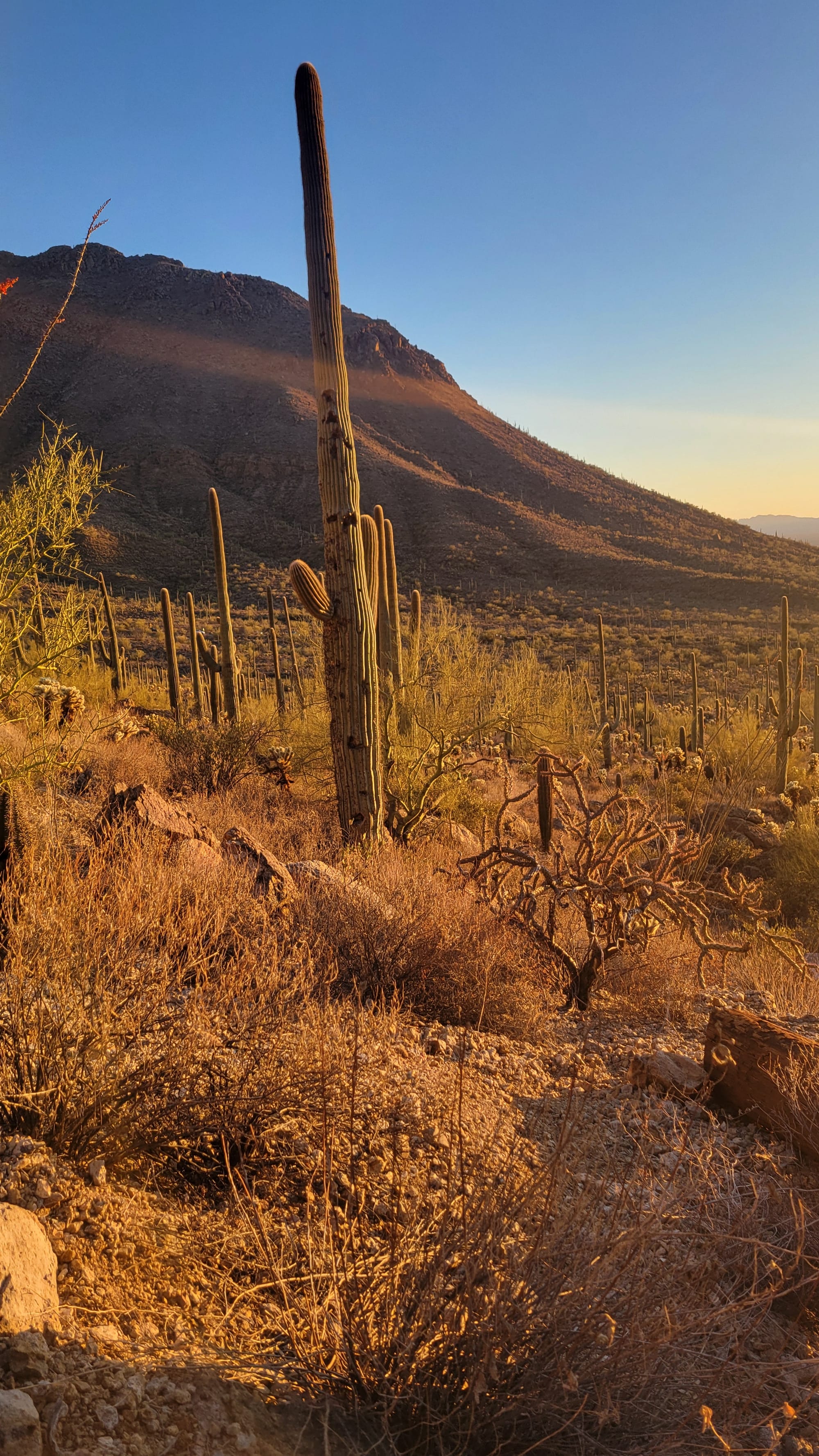
The Arizona sun is relentless throughout much of the year. Packing the right accessories is just as important as choosing the right clothing.
A wide-brim hat provides excellent protection for your face and neck. Sunglasses help reduce eye strain and improve visibility on bright desert days. Sunscreen should be considered an essential item regardless of the season.
Many visitors are surprised to discover they can get sunburned during winter hikes because the state's dry air often makes the sun feel less intense than it actually is.
One Final Tip
Always check the weather forecasts for both your starting destination and your highest elevation destination before you walk out the door. Seeing a forecast of 100 degrees can trick your brain into leaving the jackets at home, but reminding yourself that the mountain peak is sitting at a brisk 60 degrees will save you from an uncomfortable trip.
Subscribe to Roam Arizona
Sign up to get new Arizona stories, hidden gems, and updates delivered to your inbox.
You’re officially on the trail.
Peek at your inbox (or the spam gulch) for your first map.