Arizona College Towns

When people discuss true, traditional college towns in Arizona, the conversation typically begins and ends with three locations. These are the cities where the local economy, the neighborhood culture, and the very identity of the community are deeply intertwined with a massive state university. However, looking closer at the map reveals that the state also holds several distinct higher education hubs. These specialized enclaves and rural campus centers might not dominate an entire metropolis, but they fundamentally shape the specific blocks and valleys they call home.
The Big Three Classic College Towns
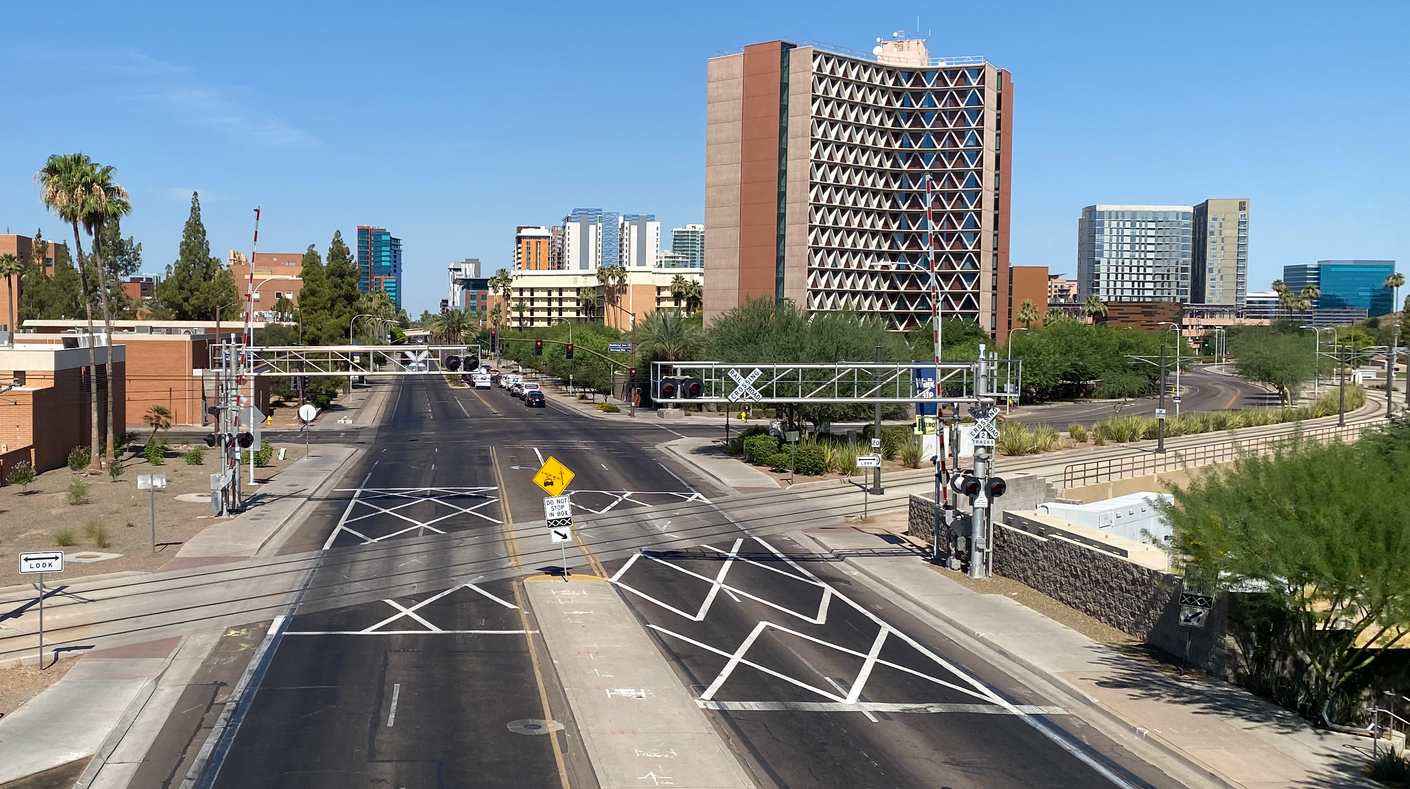
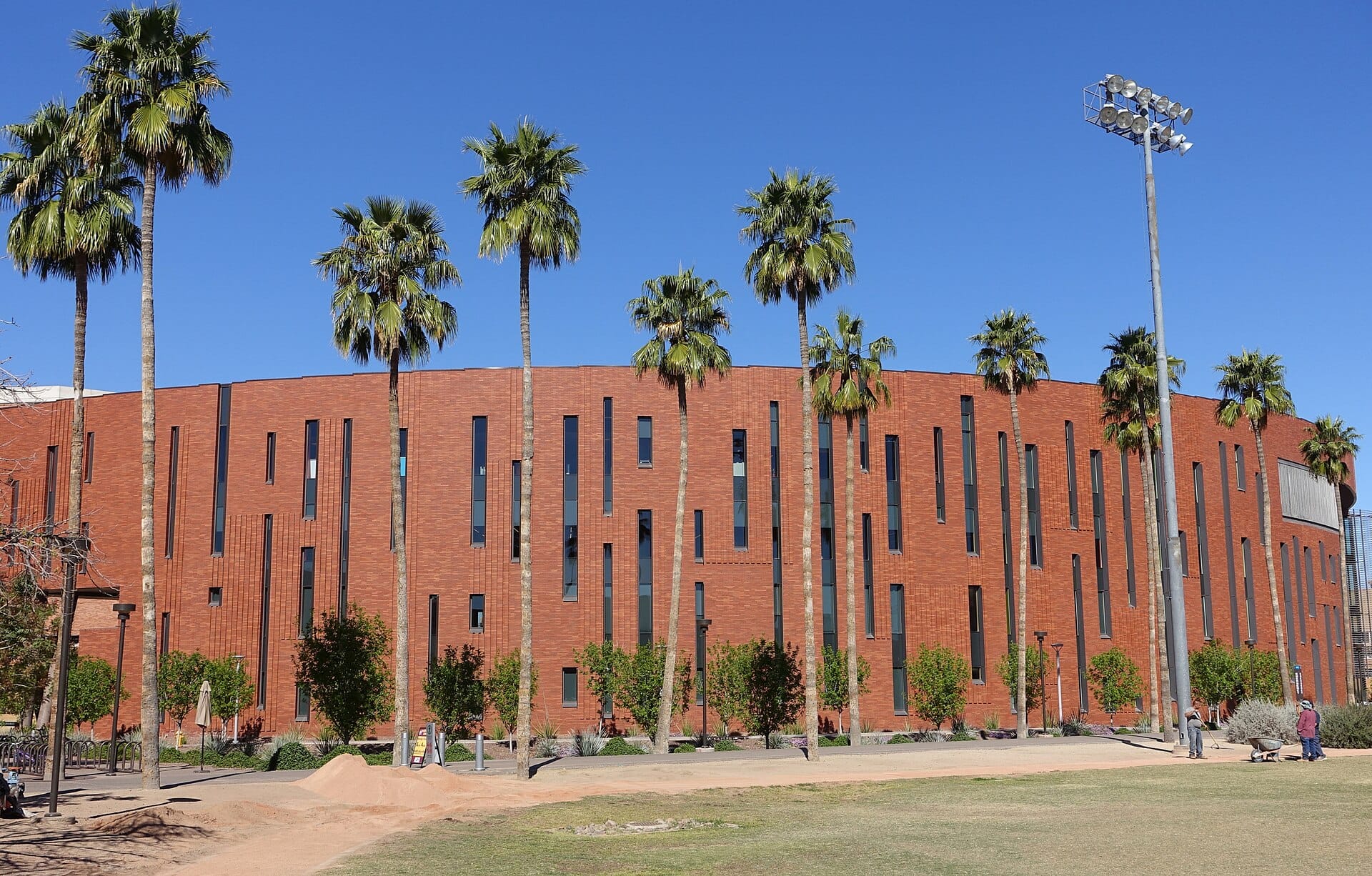
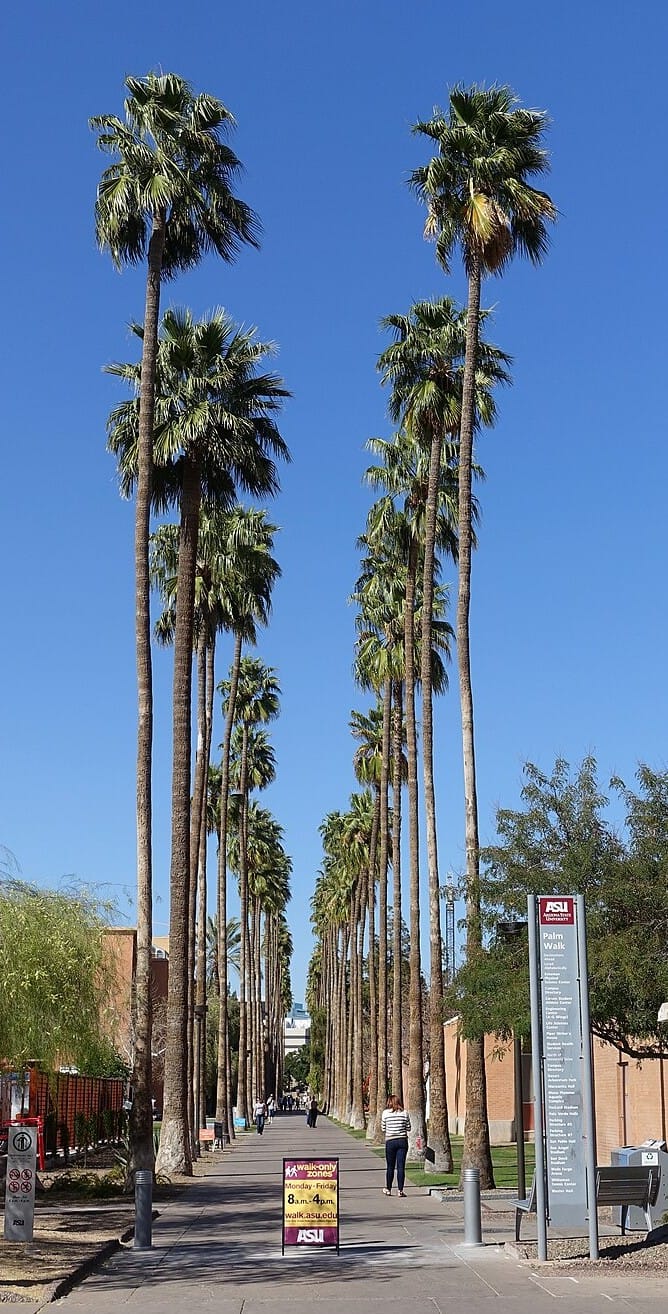
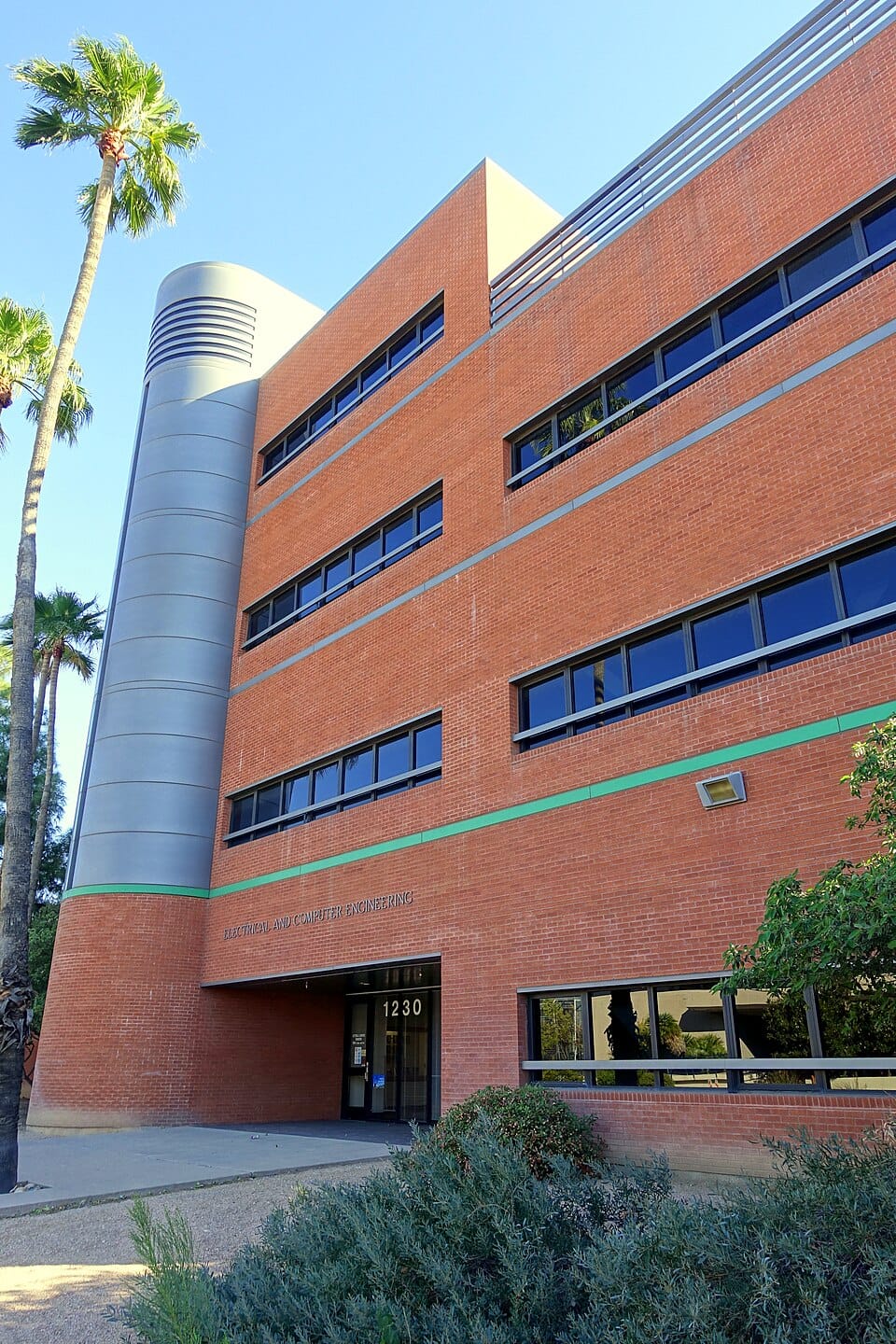
Tempe is a fast-paced, high-energy metropolis where city life and campus culture are completely fused together. Built around the main campus of Arizona State University, the city hosts a massive residential student population that infuses the local area with constant movement. The historic Mill Avenue serves as the central nervous system for this ecosystem, packing dozens of restaurants, bars, and retailers into a walkable district right next to campus. Since the university grew alongside the surrounding city, Tempe feels like a seamless integration of corporate tech hubs, modern high-rises, and traditional student culture.
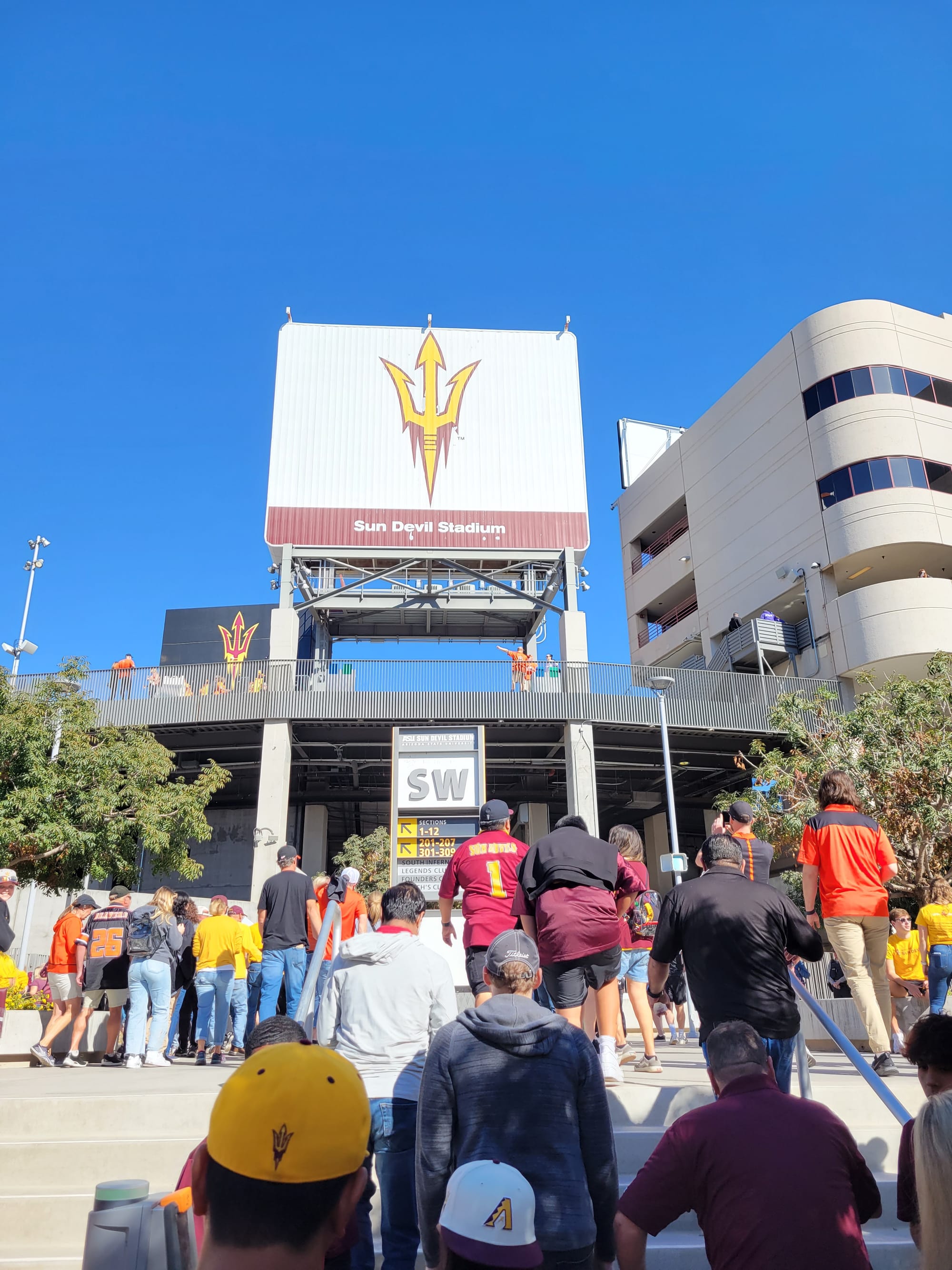
The athletic identity here is driven by the Arizona State Sun Devils, competing in the Big 12 Conference. On game days, Tempe becomes a sea of maroon and gold, drawing tens of thousands of fans directly into the downtown core. The energy of Pac-12 history and new Big 12 rivalries heavily dictates the weekend economy along Mill Avenue, making collegiate athletics a massive pillar of the city's commercial life.
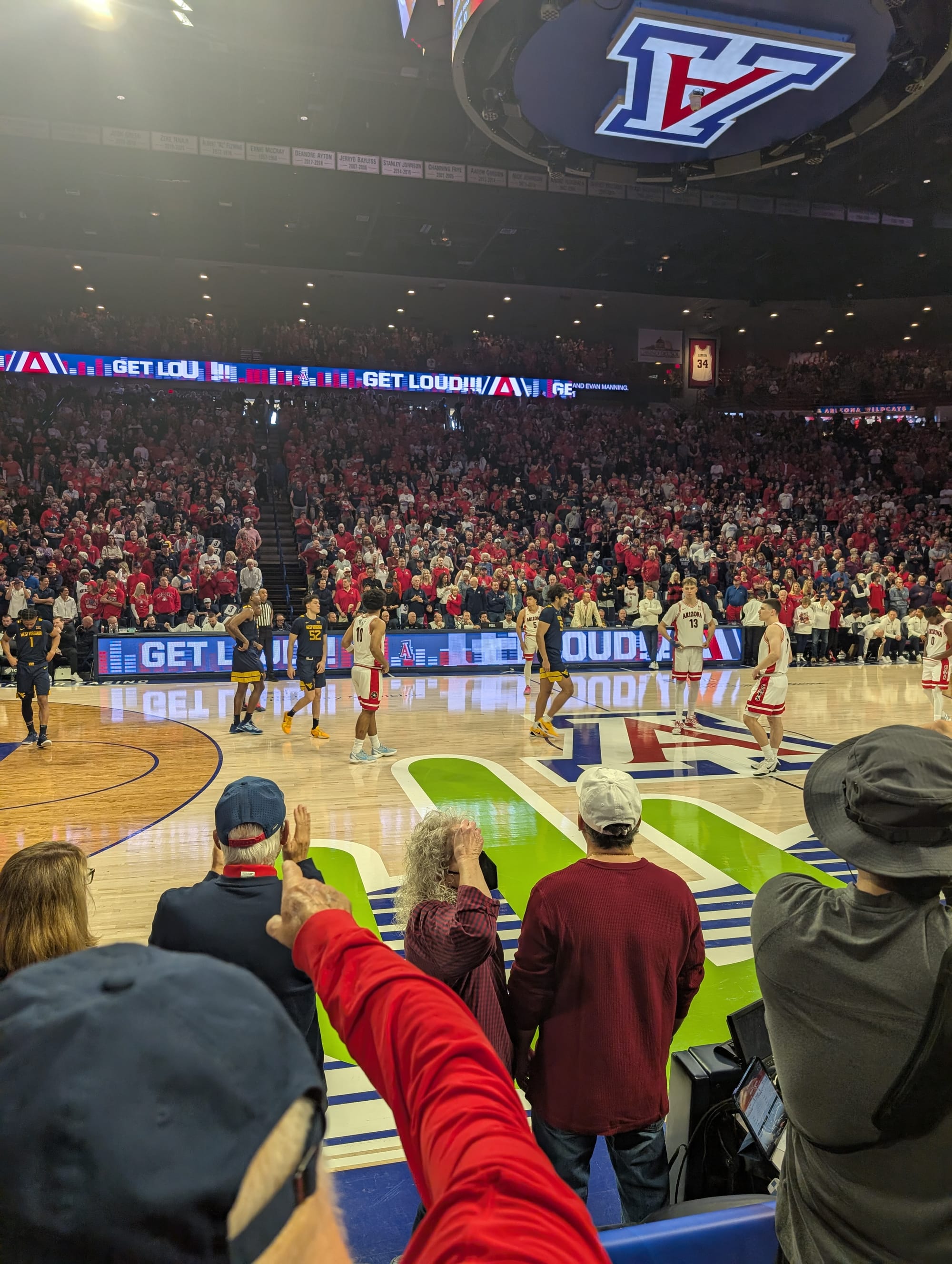
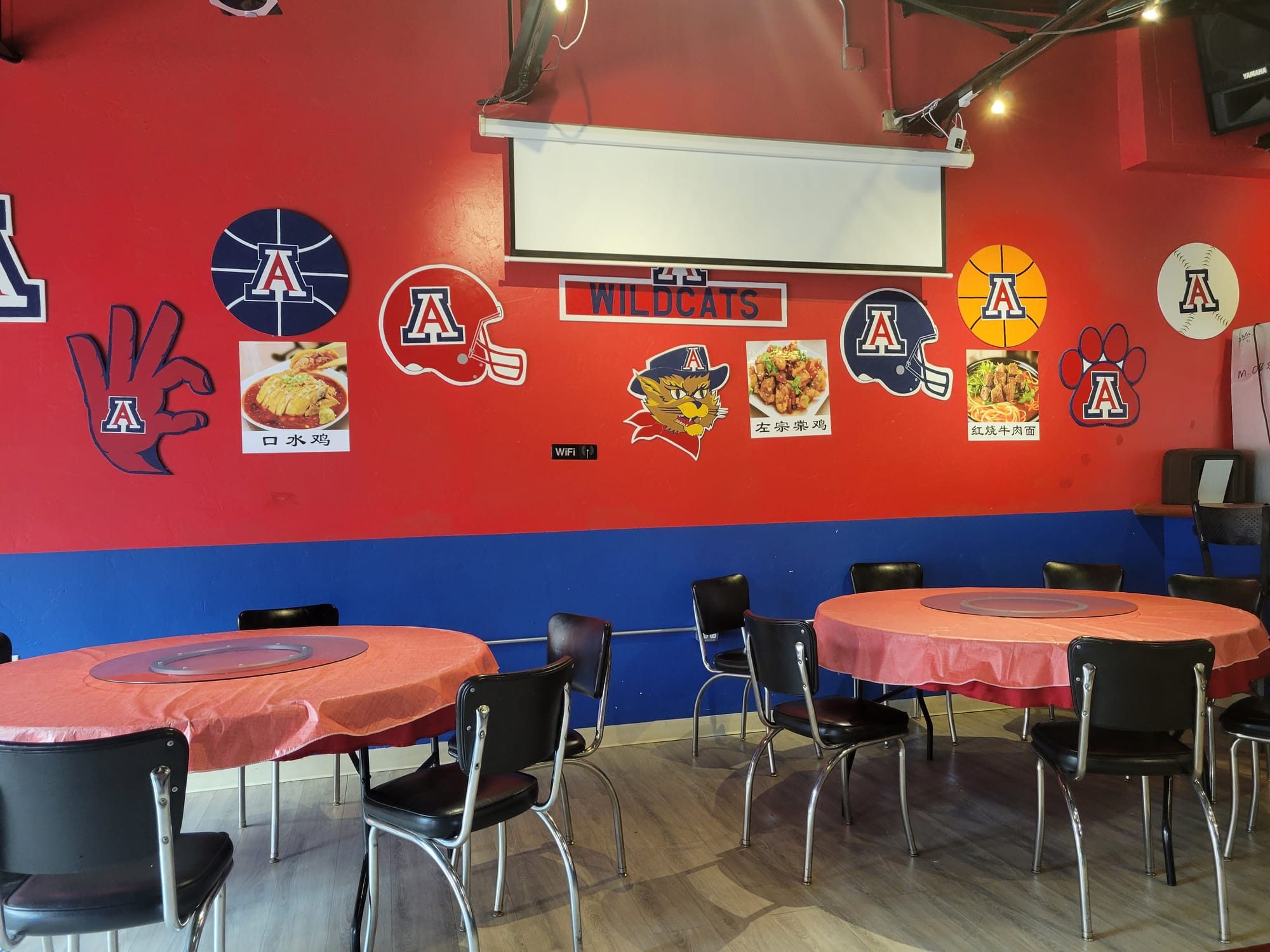
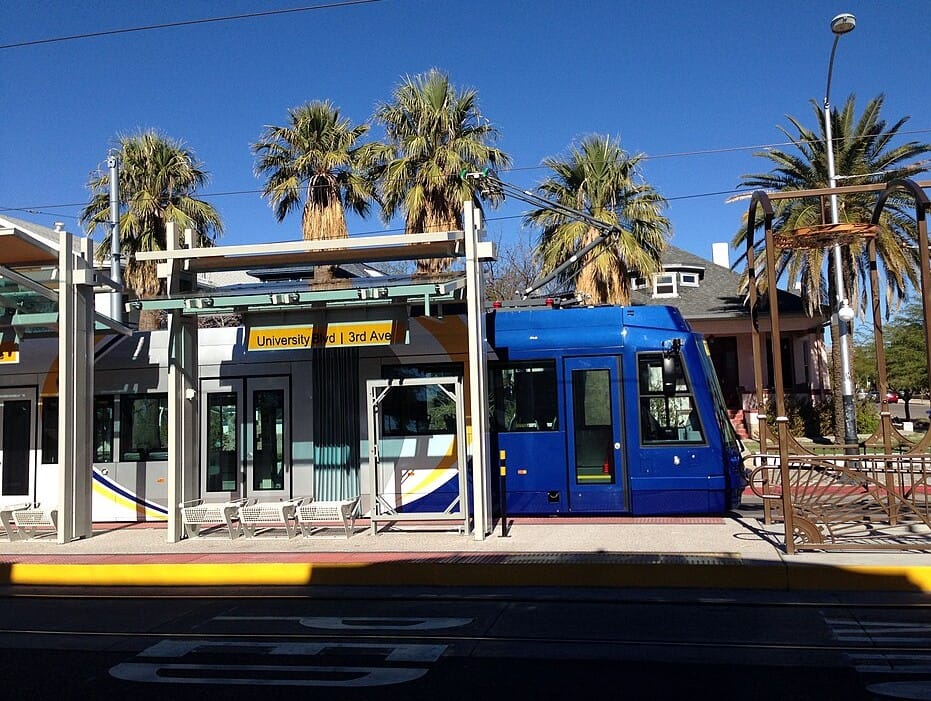
Moving south, Tucson offers a completely different flavor of the Arizona college town experience. While Tucson is a sprawling desert city of over half a million residents, its heart remains anchored by the University of Arizona. The territory stretching from the campus gates down Fourth Avenue to the downtown core functions as a dedicated cultural zone. Historic brick bungalows, independent coffee shops, and legendary local music venues cater directly to the student body. This collegiate energy peaks when the university athletic calendar takes over the city. Competing in the Big 12 Conference, the Arizona Wildcats command a fierce, undivided loyalty from a community that lacks major professional sports franchises. On game days, the boundary between the campus and the surrounding city completely dissolves.
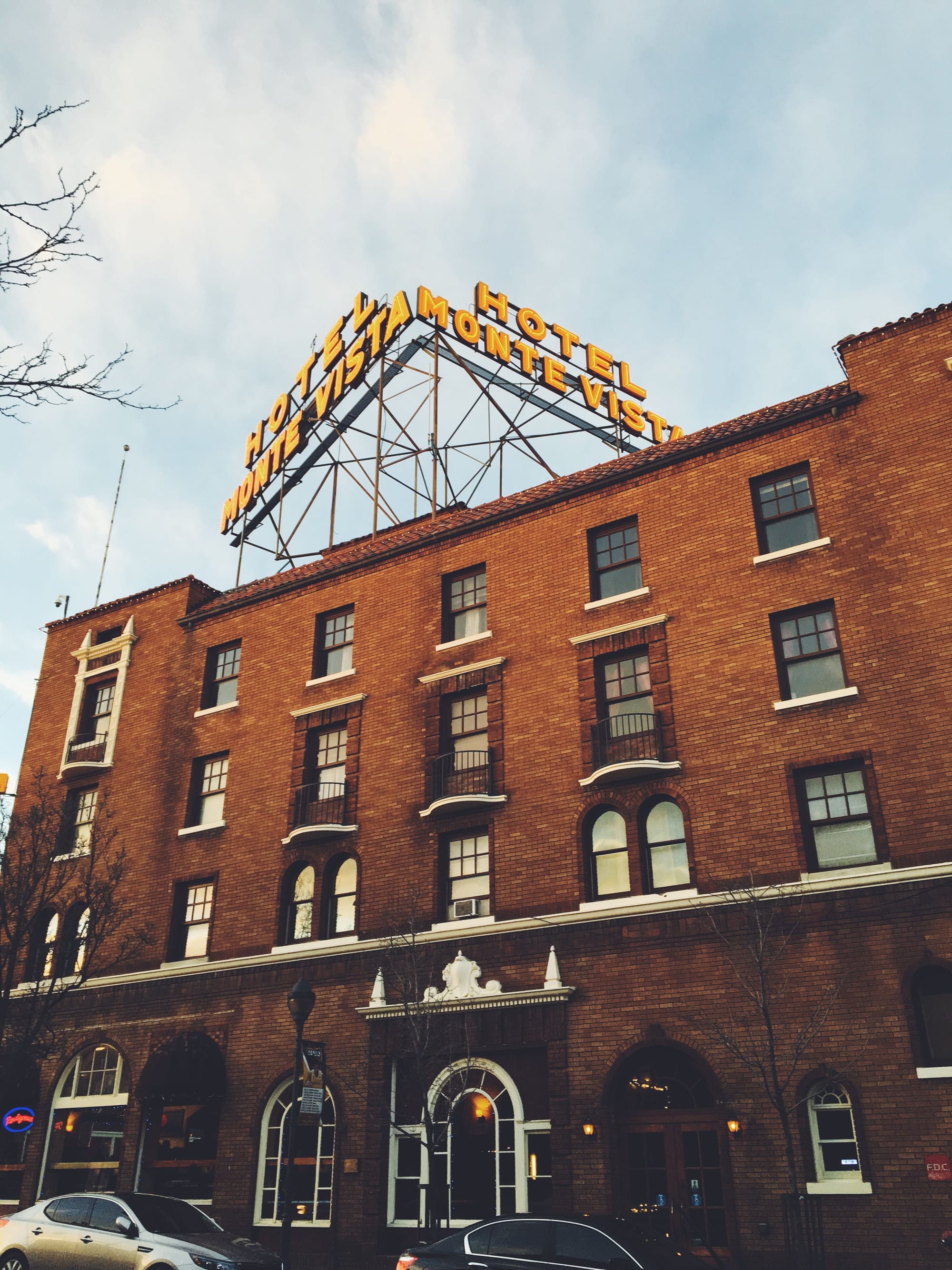
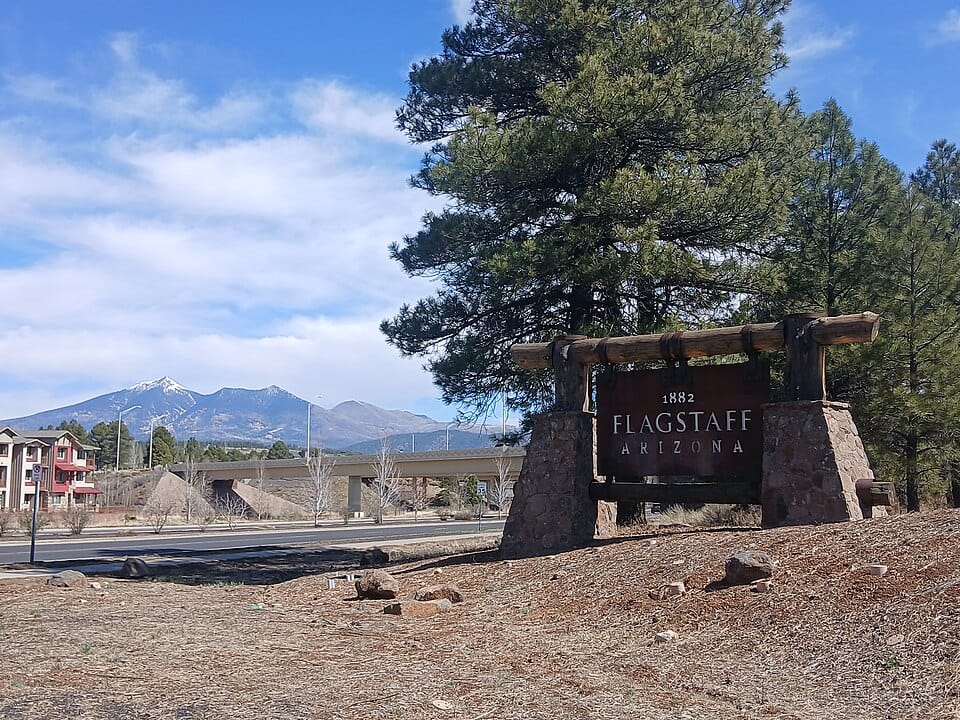
Up in the high country, Flagstaff presents the mountain variation of the theme. Northern Arizona University sits at the southern edge of a historic downtown, positioned over 7,000 feet above sea level within the world's largest contiguous ponderosa pine forest. The student body here heavily influences the local culture, creating a community defined by an active outdoor lifestyle, craft breweries, and winter sports. The smaller, close-knit campus environment contrasts sharply with the desert schools, offering distinct seasons and a compact, highly walkable urban core where student life and mountain tourism blend seamlessly. Up north, the Northern Arizona University Lumberjacks bring a distinct mountain-town energy to the Big Sky Conference. Anchored by the iconic J. Lawrence Walkup Skydome, one of the unique wood-dome stadiums in the world, NAU athletics reflects the rugged, high-altitude spirit of Flagstaff.
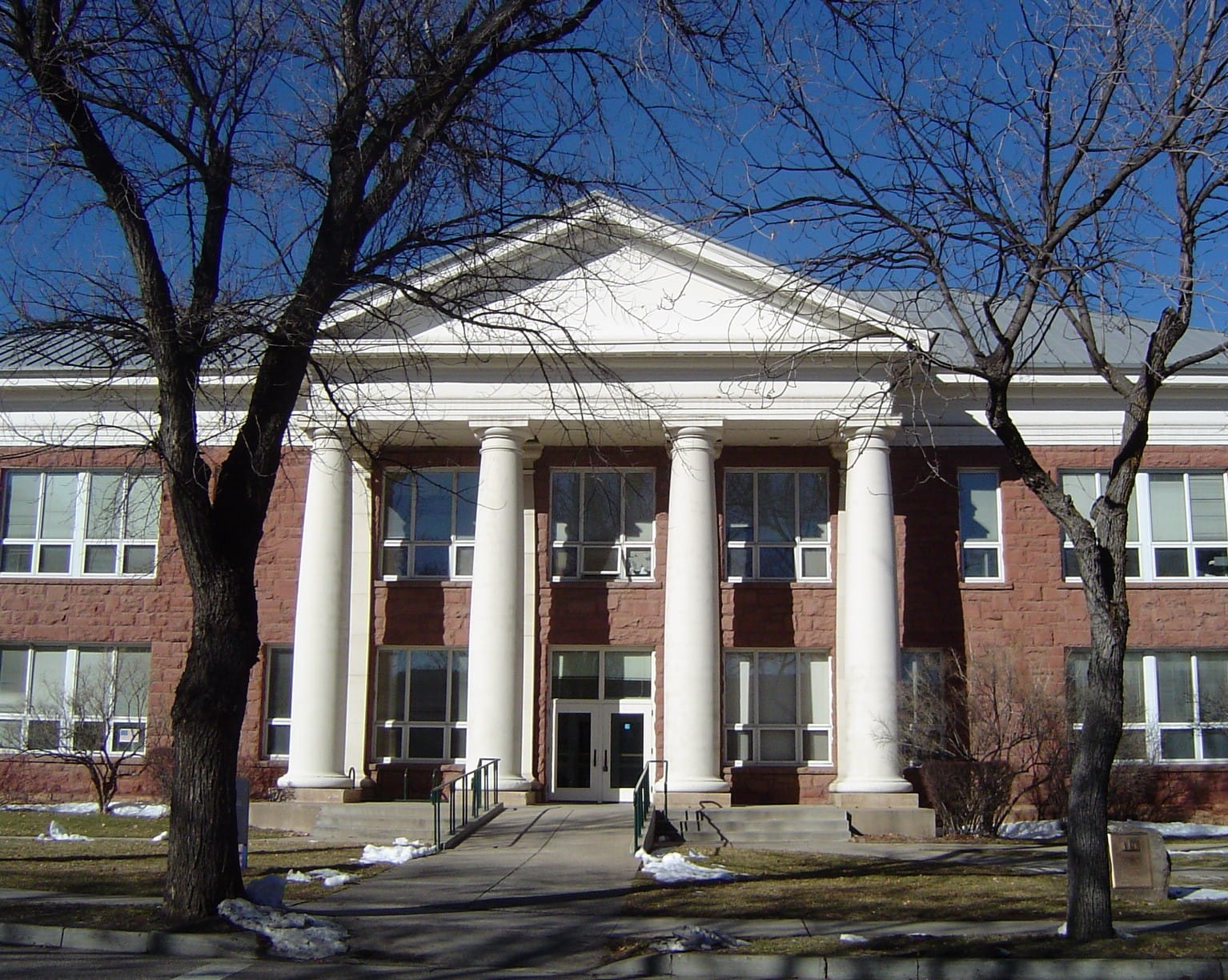

Distinct Higher Education Hubs
Beyond the major university centers, Arizona features several cities where specialized institutions or unique campus layouts create localized college hubs. Prescott is a prime example, functioning as a historic mountain town that draws a highly specific student demographic. The city is home to Embry-Riddle Aeronautical University, a premier institution for aviation and aerospace engineering, alongside Prescott College, which focuses on liberal arts and environmental studies. This combination brings a mixture of aspiring commercial pilots, scientists, and outdoor educators into the historic downtown area around Whiskey Row.
Phoenix itself does not fit the definition of a singular college town, but it contains powerful student enclaves that dictate the flavor of specific neighborhoods. Grand Canyon University operates a rapidly expanding, highly secure private campus in West Phoenix that has transformed the surrounding residential area.
Finally, for an authentic glimpse of a rural, small-town college hub, one must travel to Thatcher in the Gila Valley. This community is shaped by Eastern Arizona College, the oldest continuously operating community college in the state. Since it features a large residential campus that draws students from every corner of Arizona, this rural town functions as a surprisingly vibrant center for athletic events, theatrical productions, and local commerce. Thatcher rallies around the Fighting Gila Monsters. They often provide the region with its biggest weekend attractions, proving that a college town does not require a massive population to leave a permanent mark on the map.
Shaping the State
Whether you are looking for the high-energy pavement of a major metropolitan campus, a historic desert district packed with decades of tradition, or a quiet mountain enclave surrounded by pines, Arizona delivers an incredibly diverse lineup of academic hubs. They have redrawn the state map. The massive, singular loyalty that defines life in Tucson and Tempe looks and feels completely different from the quiet, specialized campus cultures operating up in the pines or down in the river valleys. Each of these communities gives you a completely different look at the state. In the end, a great college town is not about the size of student enrollment, it is about the unique character it leaves on the communities themselves.
Subscribe to Roam Arizona
Sign up to get new Arizona stories, hidden gems, and updates delivered to your inbox.
You’re officially on the trail.
Peek at your inbox (or the spam gulch) for your first map.