UNESCO City of Gastronomy - Tucson

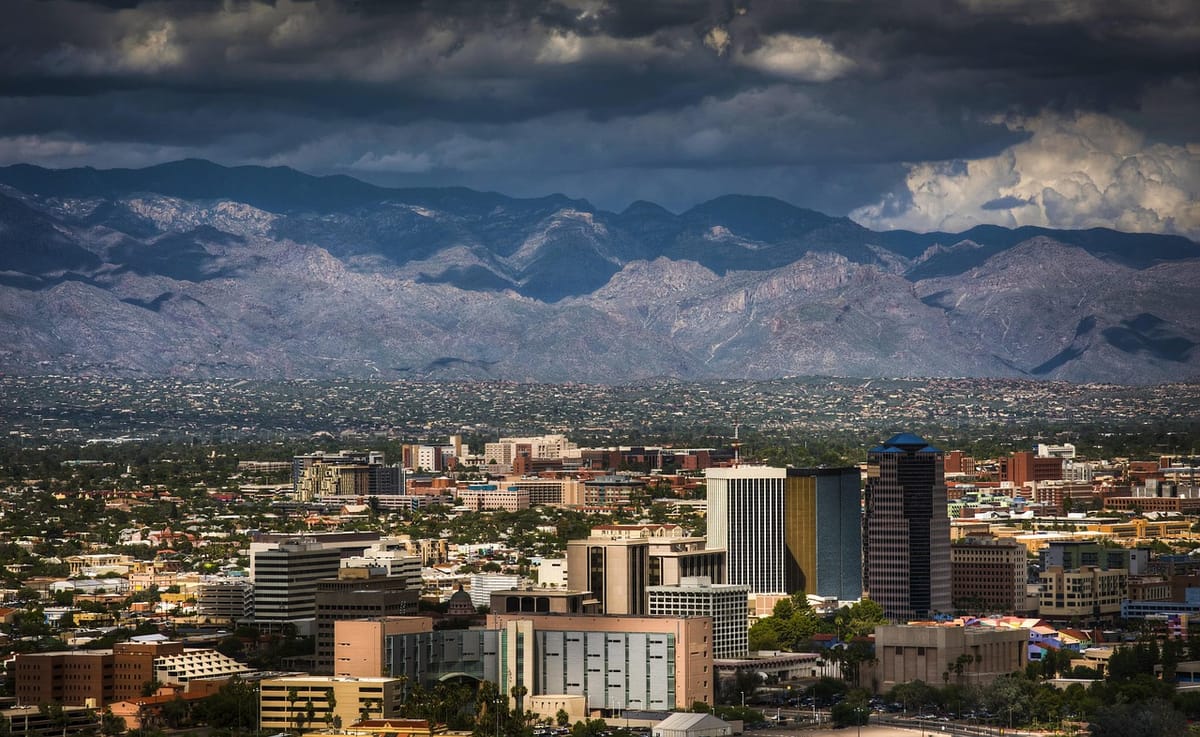
When people think about Tucson food, they usually picture a Sonoran hot dog, a plate of tacos, or a cold drink on a patio somewhere while the desert sun goes down. Honestly, that’s not wrong.
There is a lot more going on here than great street food. In 2015, UNESCO officially named Tucson a City of Gastronomy. This made it the first city in the United States to receive the designation. Not New York. Not San Francisco. Not New Orleans.
Tucson.
The title isn't about the number of Michelin stars or trendy fusion spots. It is a recognition of the deepest agricultural roots in North America, stretching back over 4,000 years.
4,000 Years of Food History in the Sonoran Desert
The real story starts long before Tucson was a city. Archaeologists have found evidence that people have been farming the Sonoran Desert for over 4,000 years, making it one of the longest continuously farmed regions in North America. The earliest farmers here were ancestors of the Tohono O'odham people, who developed desert agriculture built around plants that thrive in brutal conditions.
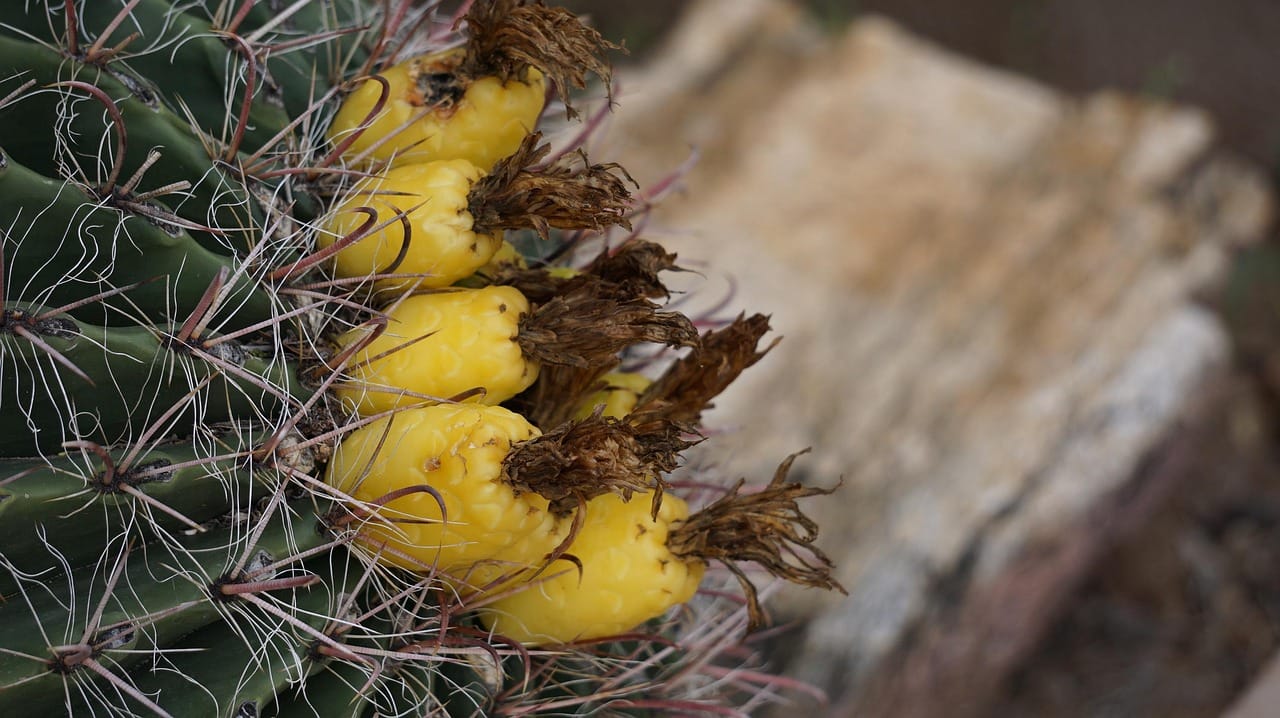
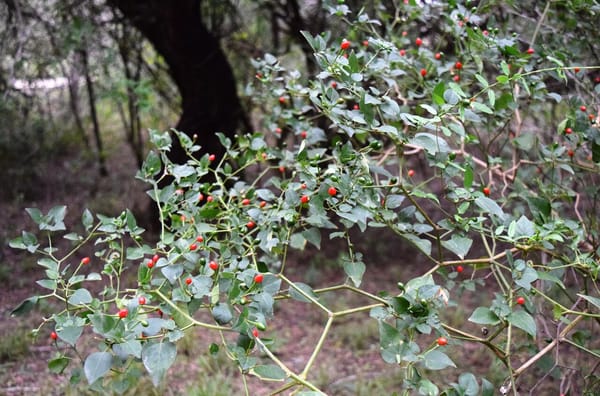
Instead of trying to fight the desert, these cultures learned to work with it. That knowledge never disappeared. Today, traditional ingredients like tepary beans, chiltepin peppers, and mesquite pods remain staples of the local palate. You can still find the bright magenta of prickly pear, the seasonal harvest of saguaro fruit and the tart 'desert pineapples' of the barrel cactus integrated into modern menus across the city.
The Spanish and Mexican Influence
In the late 1600s, Spanish missionaries and settlers arrived in the region, bringing new ingredients and cooking traditions with them. They helped introduce wheat, cattle, and fruit trees to the area.
Over time, Indigenous food traditions blended with Spanish and later Mexican cuisine. This created the foundation of what we now call Sonoran food. This is why Tucson’s food culture feels different from the rest of the United States. It did not develop from modern fusion trends. It developed organically over centuries.
This history is still alive today at Mission Garden (featured in 5 Places in Tucson That Tourists Miss). It is a living museum located at the base of Sentinel Peak. The garden recreates the historic growing plots used throughout Tucson's history, preserving the same varieties of Mediterranean fruit trees and heritage grains that were introduced centuries ago.
Tucson’s Living Food Traditions
Today, Tucson’s culinary culture still revolves around many of the same ingredients that have been used here for generations. You will see them everywhere in the form of fresh flour tortillas, carne asada cooked over mesquite, and family-recipe tamales. Even the ancient tepary bean is showing up in modern dishes across the city.
Tucson’s most famous street food creation is the Sonoran hot dog. If you have never had one, imagine a bacon-wrapped hot dog tucked inside a soft bolillo roll and loaded with beans, onions, tomatoes, mustard, mayo, and more. It sounds chaotic. It is perfect.

The Restaurants That Keep It Alive
You do not need to be a history buff to taste why Tucson won. The city’s status is upheld by more than 50 UNESCO-certified restaurants that commit to using local ingredients and heritage techniques. This certification program ensures that the 4,000-year history of the region stays on the plate rather than just in a museum.
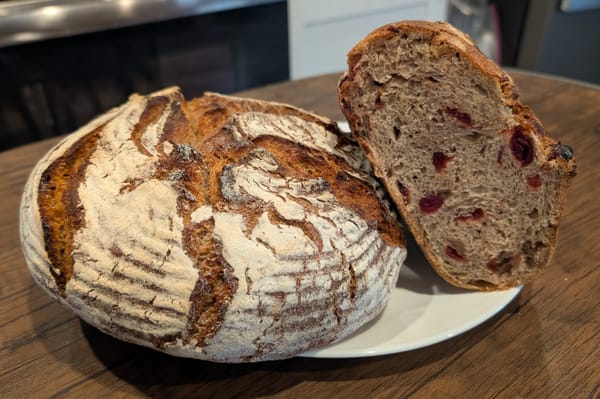
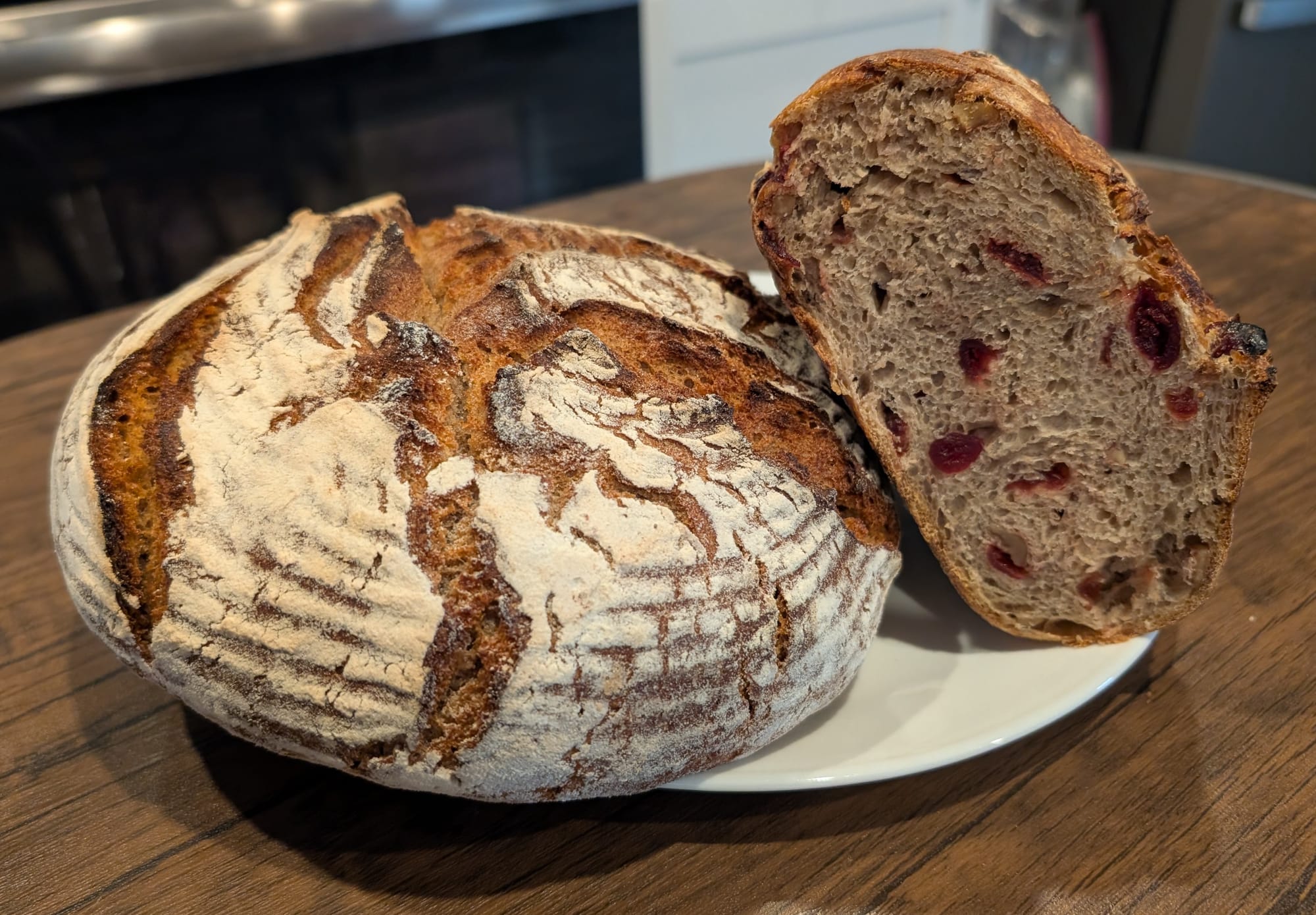
Local chefs work directly with farmers to source White Sonora Wheat for their bread and heritage grains for their menus. They use desert-adapted crops that require less water, proving that ancient agricultural wisdom is still the most sustainable way to eat in the desert. When you dine at these spots, you are supporting a food system that has outlasted every modern trend.
Tucson’s Food Festivals and Markets
The city also celebrates its culinary identity through events and programs connected to the UNESCO designation.
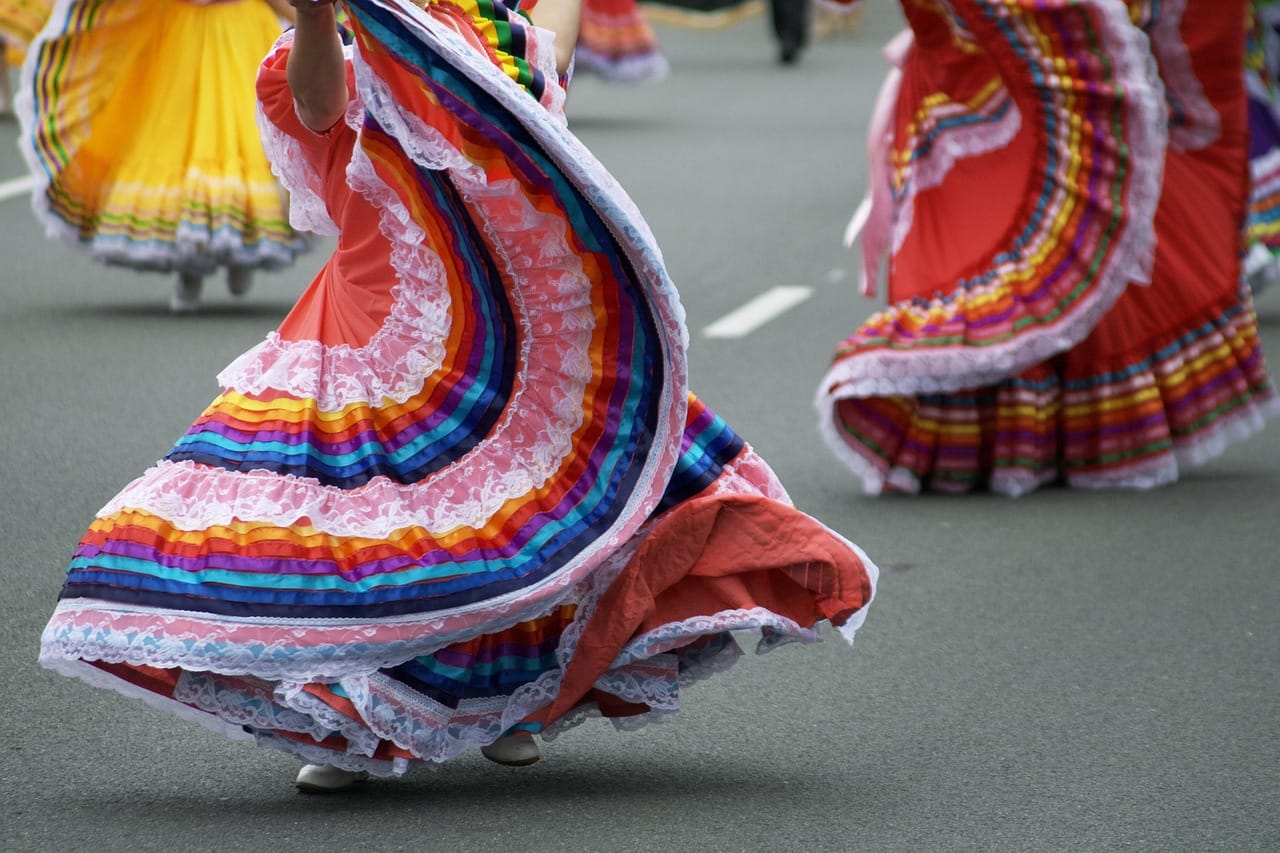
One of the biggest is the annual Tucson Meet Yourself Festival, where dozens of local food traditions come together in one place.
You’ll find everything from Indigenous dishes to Sonoran classics, along with music, dancing, and cultural demonstrations.
It’s one of the best ways to experience the diversity of Tucson’s food culture in a single weekend.
The Desert on a Plate
So why did Tucson become the first U.S. City of Gastronomy? It was because of the deep history behind every bite. Few places in North America can claim 4,000 years of continuous agriculture or indigenous desert farming traditions that are still in use today. The blending of Spanish, Mexican, and Native culinary influences created a food culture that could only exist in the desert.
Tucson’s food scene is not flashy. It is not chasing modern trends. Instead, it reflects a region where people have spent thousands of years figuring out how to live and eat well in an arid climate. Once you start noticing those connections, you realize the food here is more than just a meal. It is history served on a plate.
Subscribe to Roam Arizona
Sign up to get new Arizona stories, hidden gems, and updates delivered to your inbox.
You’re officially on the trail.
Peek at your inbox (or the spam gulch) for your first map.