The Alphabet of Arizona
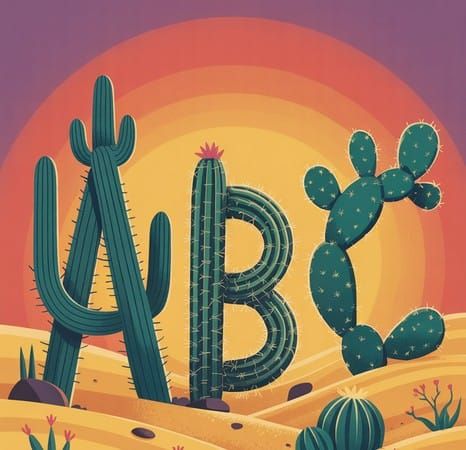
Arizona invites you to explore its story one letter at a time. From quiet deserts and hidden waterfalls to bustling towns and ancient canyons, every corner has something worth discovering. This alphabet celebrates the places, people, and landscapes that make Arizona unforgettable.
A – Apache
The Apache people shaped Arizona’s story long before statehood. Their lands once stretched across deserts, mountains, and plains, and their legacy continues through modern tribes and cultural centers that preserve language and tradition.
B – Bisbee
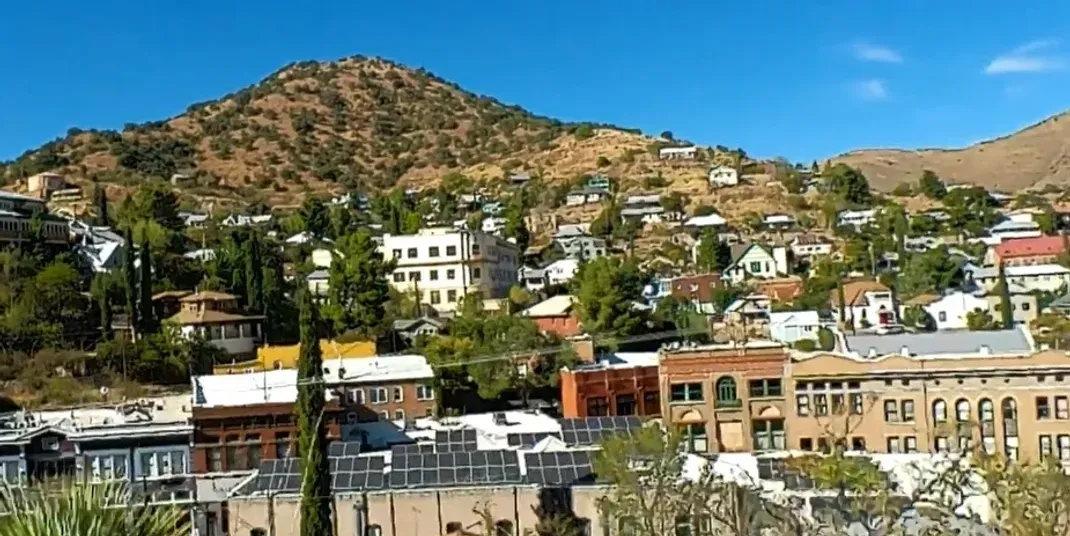
Once a booming copper town, Bisbee sits tucked into the Mule Mountains. Today it’s known for its colorful streets, art galleries, and underground mine tours that tell the story of Arizona’s mining past.
C – Chiricahua National Monument
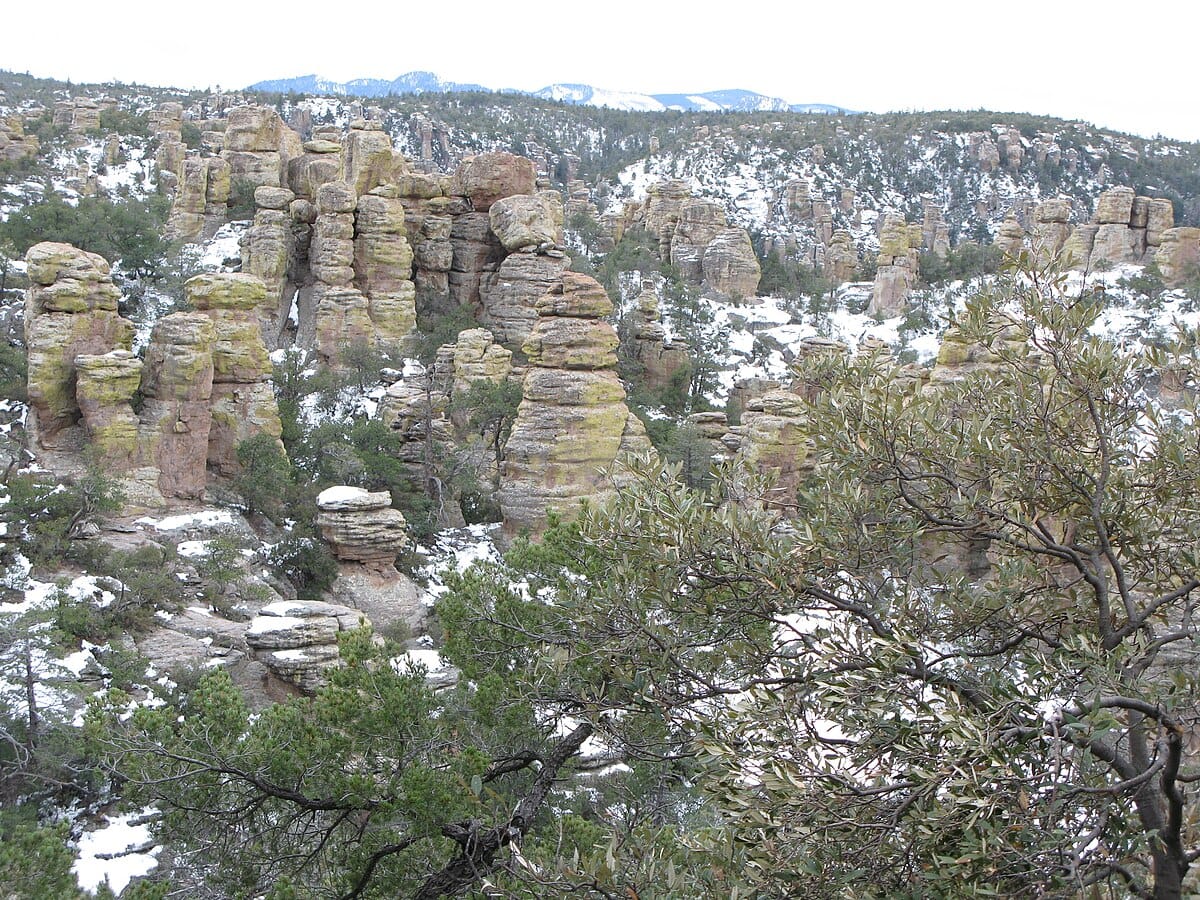
A maze of towering rock spires in southeastern Arizona, Chiricahua was called the “Land of Standing-Up Rocks” by the Apache. Hikers can wander through balanced columns and hidden canyons carved by ancient volcanic eruptions.
D – Desert
The desert is Arizona’s signature. From the cactus-filled Sonoran to the painted landscapes of the high desert, it defines the state’s look, its plants, and its rhythm of life.
E – Empire Ranch
Near Sonoita, Empire Ranch preserves the history of Arizona’s open-range cattle days. Its 19th-century ranch house still stands surrounded by rolling grasslands and wide skies.
F – Flagstaff
At 7,000 feet, Flagstaff is where Arizona cools off. The town mixes mountain forests, winter snow, and a thriving college and brewery scene. Pluto was discovered here in 1930.
G – Grand Canyon
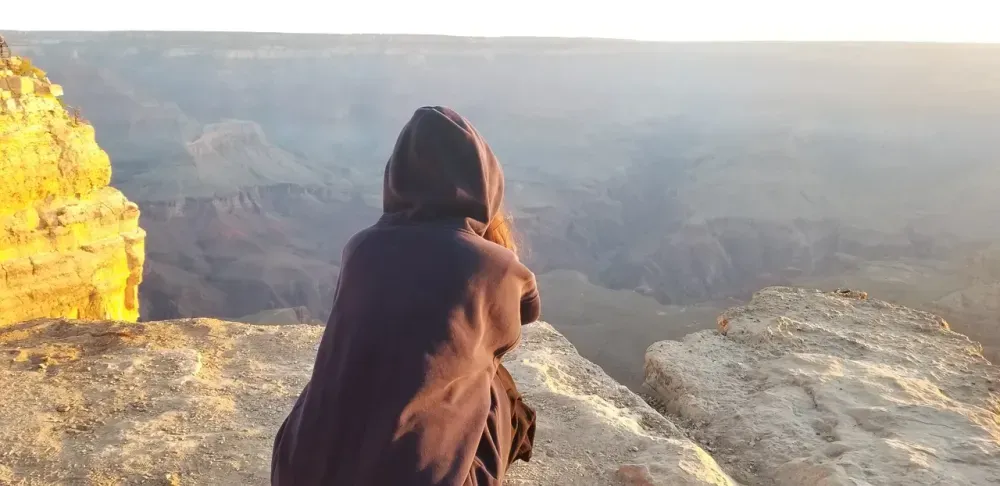
Arizona’s best-known landmark, the Grand Canyon is 277 miles long and over a mile deep. Its layers tell two billion years of Earth’s history, and every sunrise paints it in new colors.
H – Havasu Falls
Hidden deep in the Havasupai Reservation, this turquoise waterfall drops into a bright blue pool surrounded by red rock. It’s one of the most photographed spots in the Southwest.
I – Ironwood
The Ironwood tree is one of the desert’s oldest and strongest plants. In spring, it bursts into soft purple flowers, providing shelter and shade for birds and animals.
J – Jerome
Once called “the Wickedest Town in the West,” Jerome clings to the side of Cleopatra Hill above the Verde Valley. Its mining boom faded, but its ghost stories and creative energy remain.
K – Kartchner Caverns
Discovered in 1974 and kept secret for years, these limestone caverns near Benson are alive with growing stalactites and stalagmites. It’s one of the best-preserved cave systems in the country.
L – Lake Havasu
Lake Havasu is both a desert escape and a boating playground. The city’s most famous landmark, the London Bridge, was shipped here piece by piece from England in the 1970s.
M – Monument Valley
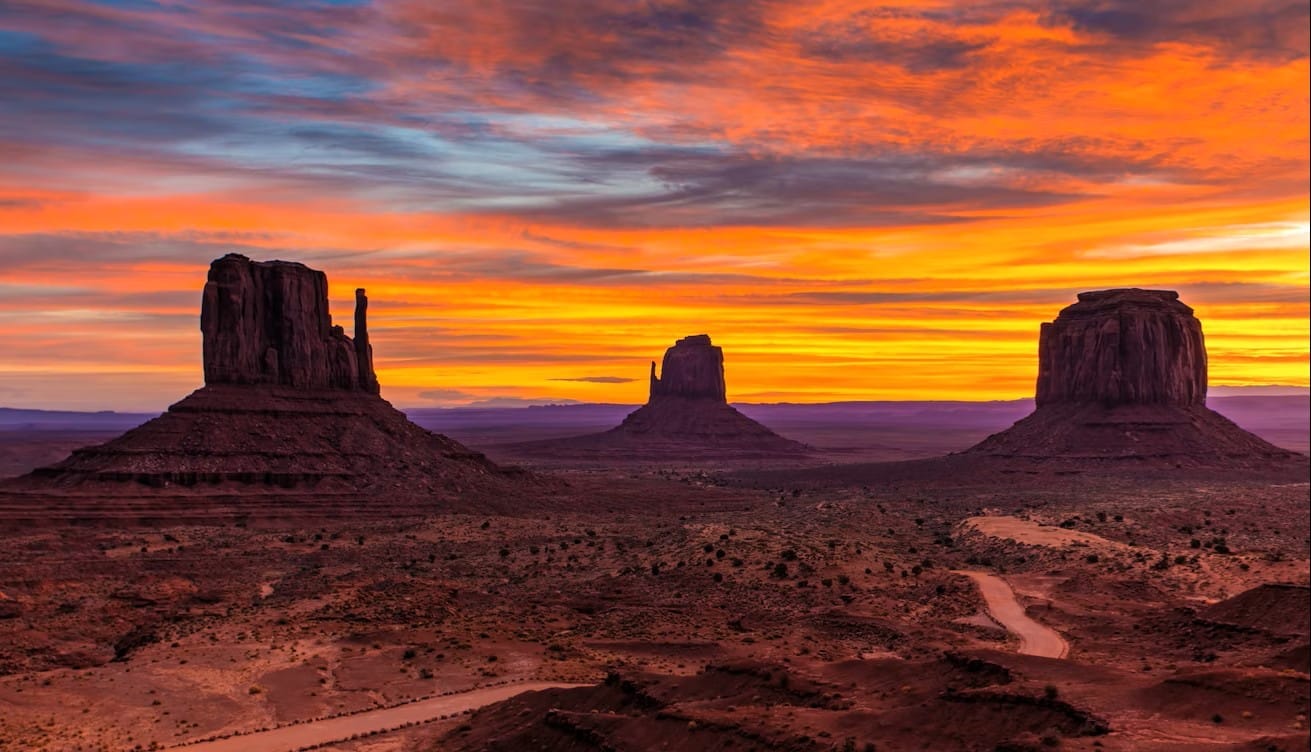
Straddling the Arizona–Utah border, Monument Valley’s sandstone buttes have starred in countless Western films. It remains sacred to the Navajo Nation and is one of the most iconic views in the world.
N – Navajo Nation
Covering more than 27,000 square miles, the Navajo Nation is the largest Native American territory in the United States. Its lands hold deep traditions, language, and stunning scenery.
O – Organ Pipe Cactus National Monument
On the border with Mexico, this national monument protects the only place in the U.S. where organ pipe cactus grows naturally. It’s a landscape of solitude and wild beauty.
P – Petrified Forest
A desert filled with rainbow-colored fossilized trees over 200 million years old. The Petrified Forest is a walk through time, where stone logs sparkle in the sunlight.
Q – Quartzsite
Every winter, this small desert town turns into one of the largest RV gatherings in the country. Visitors come for rock shows, swap meets, and sunsets over the Dome Rock Mountains.
R – Roosevelt Lake
Created by Theodore Roosevelt Dam in 1911, this is one of Arizona’s oldest and largest reservoirs. It’s a favorite for fishing, camping, and escaping the summer heat.
S – Saguaro National Park
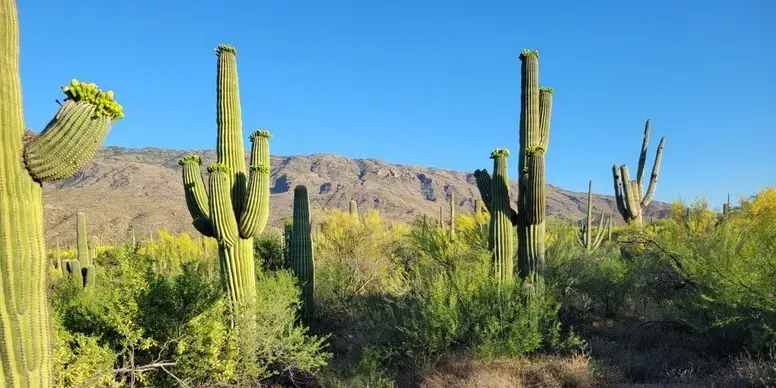
Split into two sections around Tucson, this park is home to the giant saguaro cactus, found only in the Sonoran Desert. Each one can live over 150 years and grow more than forty feet tall.
T – Tombstone
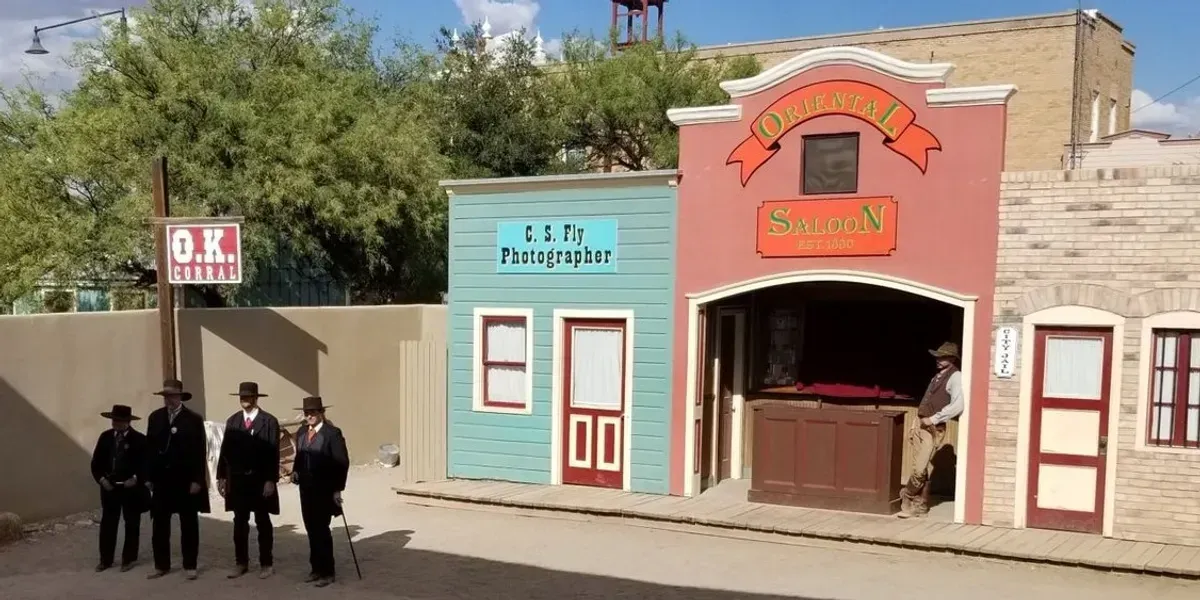
“Too tough to die.” Tombstone keeps its Wild West fame alive with daily reenactments of the O.K. Corral gunfight, wooden sidewalks, and saloons that echo with history.
U – University of Arizona
Founded in 1885, the University of Arizona put Tucson on the map as a center for learning and research. Its Wildcats mascot and desert campus make it one of the state’s proudest institutions.
V – Valley
“The Valley” usually means the Phoenix metropolitan area—a sprawl of desert cities connected by sun, highways, and palm trees. It’s the modern heart of Arizona.
W – Winslow
A classic Route 66 town made famous by the Eagles song “Take It Easy.” Today visitors still “stand on the corner” for a photo with the mural and the flatbed Ford.
X – Xeriscape
A style of landscaping that saves water by using native plants, gravel, and desert color. Xeriscaping is how Arizona cities stay green without grass.
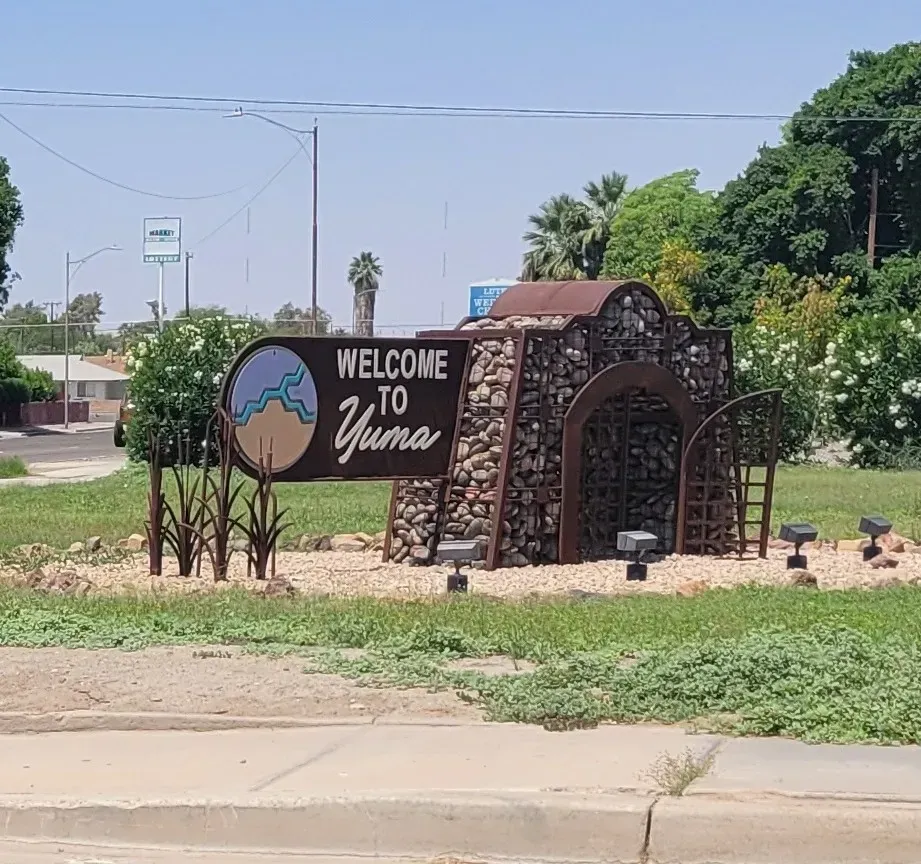
Y – Yuma
At the far southwest corner of the state, Yuma is known for endless sunshine, fresh produce, and a history tied to the old territorial prison on the Colorado River.
Z – Zane Grey
The famed Western novelist Zane Grey fell in love with Arizona’s wild landscapes. His cabin near Payson became both home and inspiration for many of his books, including Riders of the Purple Sage. Through his stories, he helped shape how the world imagined the rugged beauty of the American Southwest.
The State from A to Z
From the red rocks of Monument Valley to the waterfalls of Havasu Creek, Arizona’s alphabet tells its story. Every letter leads to a new corner of the state, and every stop reveals why Arizona continues to inspire wanderers, writers, and roamers alike.
Subscribe to Roam Arizona
Sign up to get new Arizona stories, hidden gems, and updates delivered to your inbox.
You’re officially on the trail.
Peek at your inbox (or the spam gulch) for your first map.