Sky Stories: What the Navajo Saw in Arizona’s Constellations

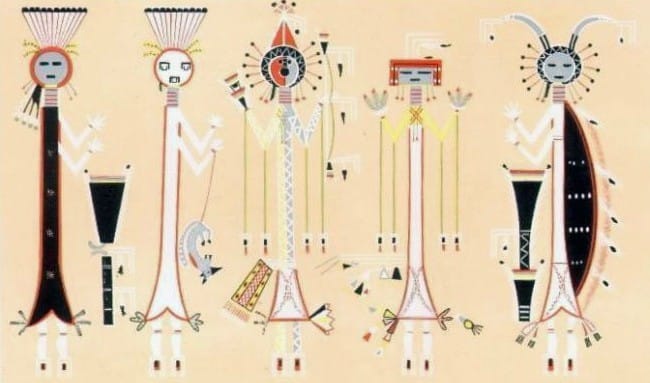
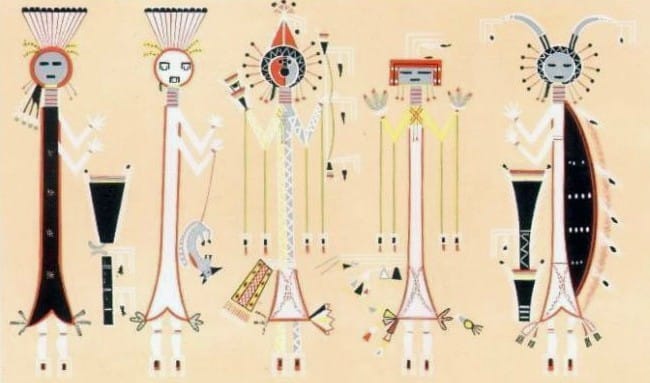
Arizona’s night skies are among the darkest in the nation. For the Diné, or Navajo people, the stars are far more than glittering lights above the desert. They are family, protectors, teachers, and guides for living in harmony with the world below.
Each star has a place and purpose. The Navajo see the cosmos as a reflection of life on Earth. The constellations form a celestial code of conduct, carrying lessons about respect, discipline, and gratitude. Through them, the Diné mapped both their ceremonies and their seasons, guided by the rhythm of the heavens.
The Creation of the Stars
According to Diné teachings, the stars were placed in the sky during the time of creation. The Holy People, divine beings who shaped the world, carefully positioned each one to form patterns of meaning. Growing restless and frustrated with the painstaking process, the trickster Coyote impulsively snatched the blanket containing the unplaced stars and flung them into the sky.
That single act of chaos disrupted the careful order the Holy People had planned. The scattered stars that remain to this day serve as a warning: creation requires patience, and balance must never be rushed. Even disorder, in this story, carries a lesson about respect for timing and harmony: core principles of hózhó, the Navajo way of beauty and balance.
The Diné Sky: Order, Balance, and Ceremony
In Navajo tradition, the stories of the stars are told only in the winter months, a period stretching from the first frost to the first thunder of spring when the nights are long and the stars fill the sky. This seasonal storytelling preserves the sacred nature of the teachings and reminds listeners that all knowledge has its proper time.
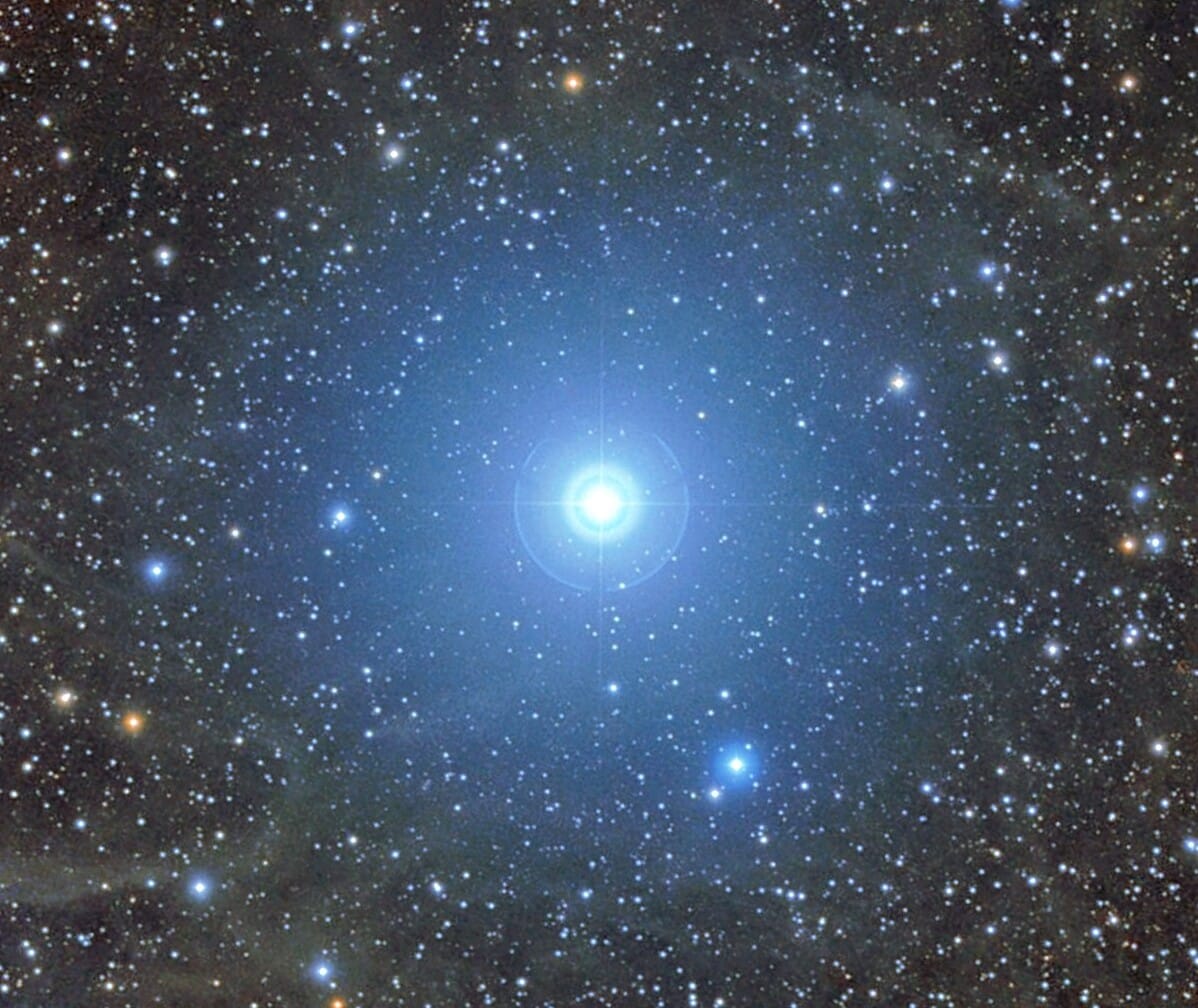
At the very center of the Navajo sky is Náhookòs Bikò’, the North Star, known as the Central Fire. It stands motionless while every other star circles around it, symbolizing balance and stability. Just as the fire in the center of a hogan (the traditional Navajo home) gives warmth and structure to family life, the Central Fire holds the cosmos together. It reminds the Diné that all things (stars, seasons, people, and prayers) revolve around a shared center of harmony.
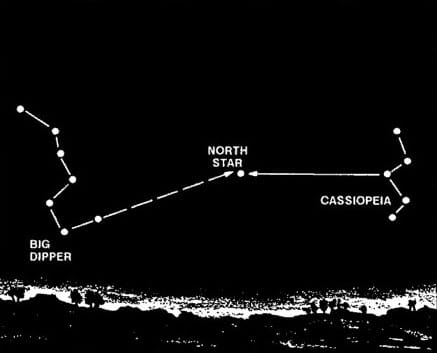
Encircling that center are two figures who move together through the night: Náhookòs Bi’kà’, the Male Revolving One, and Náhookòs Bi’áád, the Female Revolving One. These constellations, roughly corresponding to the Big Dipper and Cassiopeia, represent complementary forces—protection and nurturing, strength and stability. Their endless rotation around the Central Fire is a living symbol of balance between masculine and feminine, action and rest, day and night.
Farther across the sky is Dilyéhé, known to Western astronomers as the Pleiades. For the Diné, these are the Planting Stars. Their rising in the early evening signals the time for planting and marks the rhythm of the agricultural year. When Dilyéhé disappears from the night sky in late spring, it’s a reminder that the growing season is underway. A perfect example of how the Diné tied star knowledge directly to life on the land.

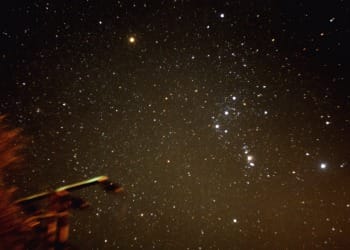
Nearby is Átsé Ets’óz, the First Slender One, recognized as the constellation Orion. He is seen as a youthful warrior, full of energy and purpose, whose appearance and disappearance mark the changing seasons. When Orion rises in the cold winter sky, it signals the time for storytelling and ceremony. When he fades from view in summer, the people know it is time for rest and renewal.
These constellations are part of a vast Navajo star map that includes figures Western astronomy does not recognize: Coyote, the Mother-in-Law Star, and the Holy People who brought order to the world. Together, they turn the sky into a sacred text. One that teaches harmony and warns against imbalance.
The Modern Echo of Ancient Light
Some of Arizona’s best-preserved dark skies stretch across Navajo Nation lands. Places like Monument Valley, Canyon de Chelly, and the sandstone mesas around Window Rock are excellent places. To stand in those landscapes at night is to see the same stars the Diné storytellers once described, unchanged for centuries.
Today, Navajo educators and astronomers continue to teach traditional sky knowledge alongside modern science. Observatories may chart orbits and magnitudes, but Navajo cosmology reminds us of something equally vital: that understanding the stars is also about understanding ourselves and our place within the world’s rhythm.
The Story Still Shines
The Navajo sky is filled with stories of creation, balance, and renewal. Each constellation carries meaning and memory. The Central Fire reminds us to stay grounded. The Revolving Ones teach harmony between forces. The Planting Stars mark the rhythm of life.
To the Diné, the sky is not distant. It is a living reflection of everything on Earth. The stars are guides for ceremony, for planting, for prayer, and for keeping a life of balance. They are proof that the universe has order and that human life belongs within that order.
When you stand beneath an Arizona night sky, you see the same lights that guided generations before. Their lessons have not faded. They continue to shine above the mesas and deserts, quiet reminders that balance and beauty are still possible in the world below.
Subscribe to Roam Arizona
Sign up to get new Arizona stories, hidden gems, and updates delivered to your inbox.
You’re officially on the trail.
Peek at your inbox (or the spam gulch) for your first map.