Arizona’s Wild Chiltepin: The Mother of All Peppers
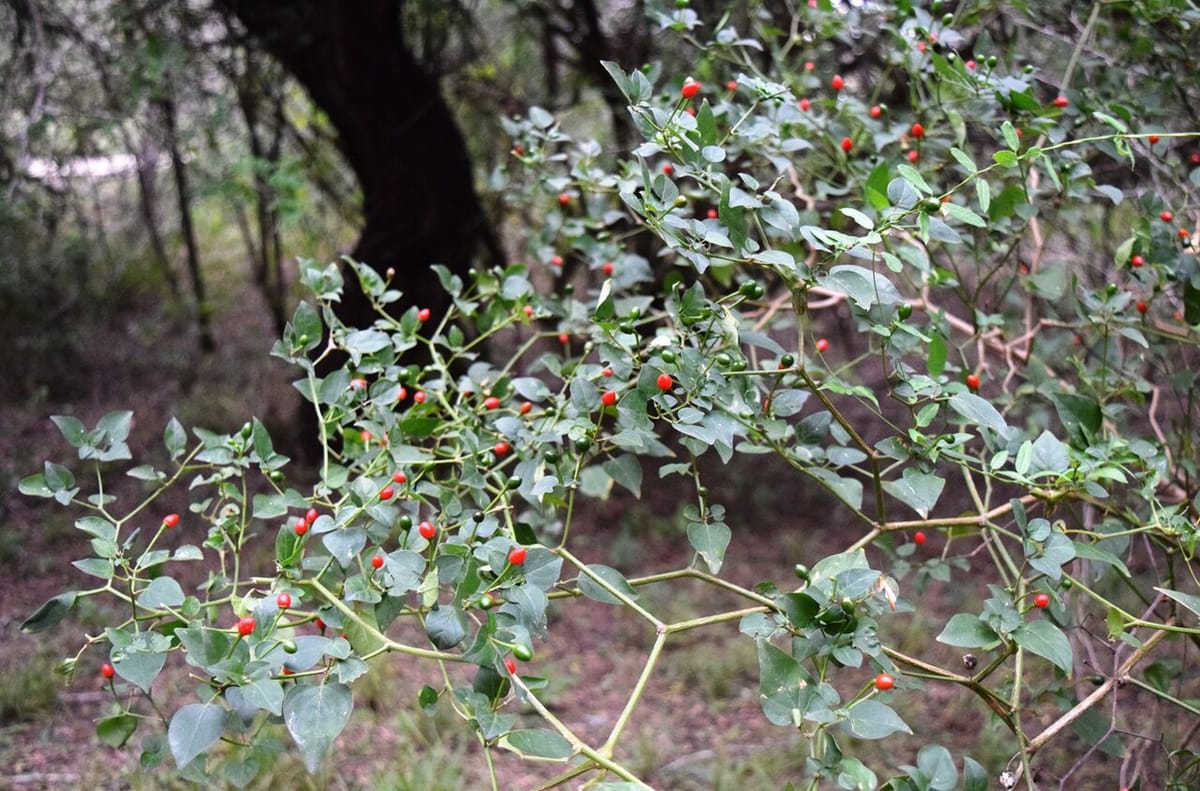
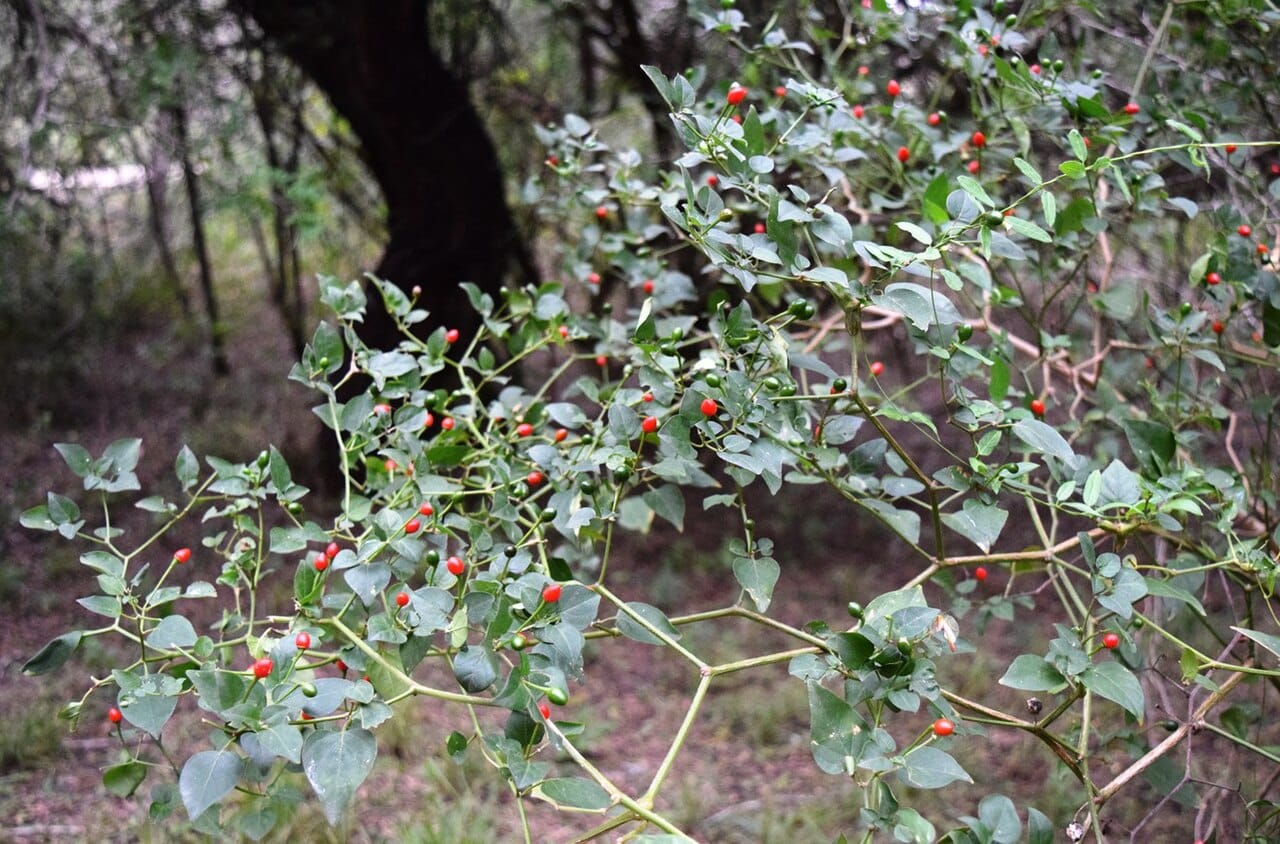
The Chiltepin is the only chili pepper native to the United States. These red berries may look unassuming, but they pack a significant punch. While they typically range between 50,000 and 100,000 Scoville units, their wild nature means the heat can fluctuate wildly depending on the year's rainfall. In the Sonoran Desert, the Chiltepin is a cultural icon that bridges the gap between ancient Indigenous traditions and modern borderlands cuisine.
A Ghost in the Mesquite
In the wild, Chiltepines are elusive. They are perennial shrubs that grow under the protection of nurse plants like mesquite, ironwood, and desert hackberry. These larger trees provide the filtered shade and thermal protection necessary for the peppers to survive the extreme temperature swings of the desert. This relationship is so vital that the birds who eat the peppers often drop the seeds directly beneath these same trees. This ensures the next generation has a protected place to grow.
If you want to see them in their natural habitat, you can visit the 2,500 acre Wild Chile Botanical Area in the Coronado National Forest. Established in 1999 near Tumacácori, it is the first federal preserve in the U.S. dedicated to protecting a wild crop relative.
The Arrebatado Heat
What sets the Chiltepin apart from other peppers is the nature of its burn. Sonorans describe the heat as arrebatado, which means rapid or violent. The fire hits your palate instantly and intensely, but unlike the slow and lingering burn of other peppers, it vanishes almost as quickly as it arrived. This fleeting heat makes it the perfect go-to spice for everyday meals because it provides a localized thrill without ruining your ability to taste the rest of the dish.
From the Bush to the Table
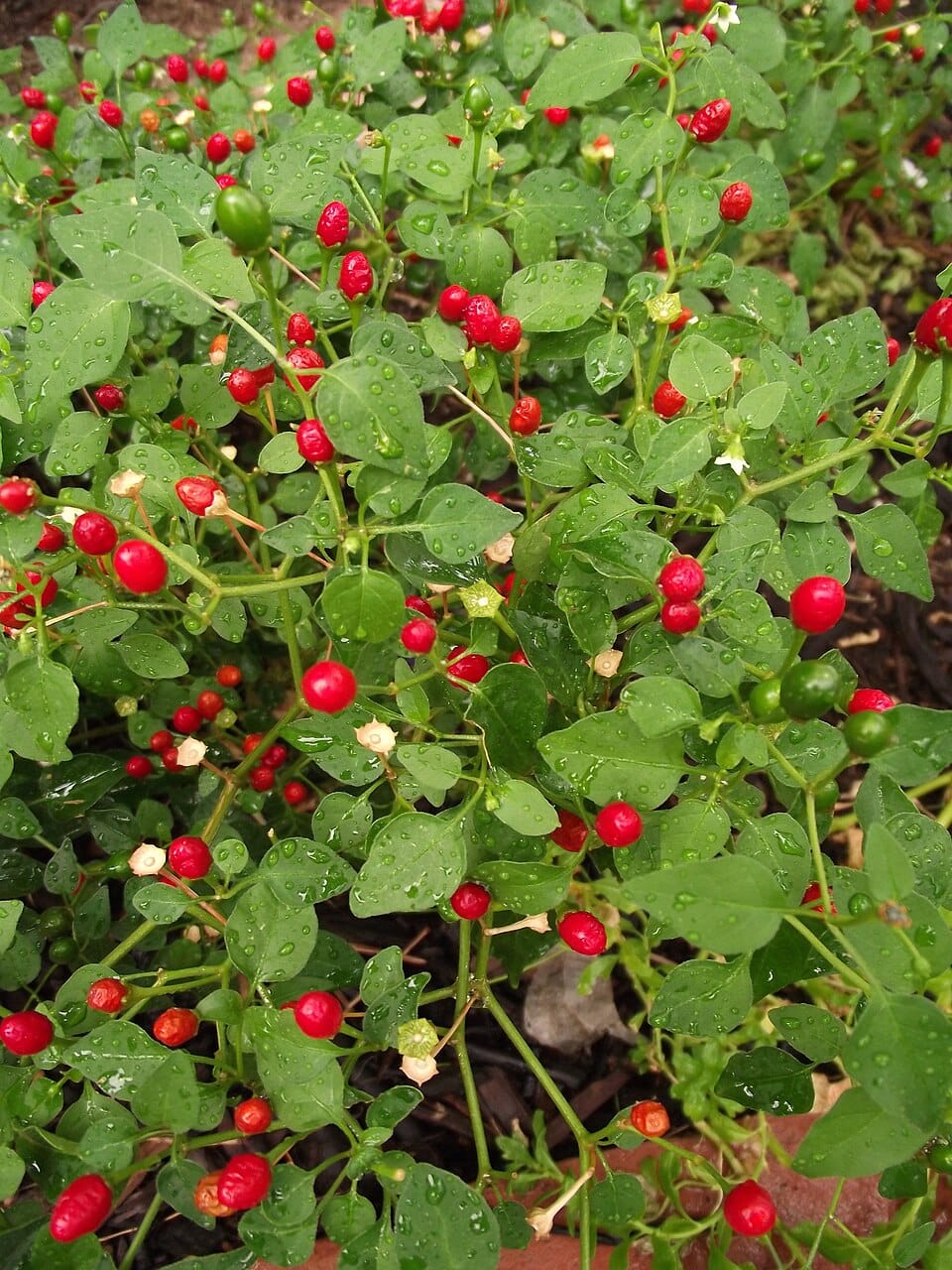
In a traditional Sonoran or O’odham household, a jar of dried Chiltepines is as common as a salt shaker. The ritual of the harvest remains a rite of autumn. Families head into the canyons in September and October to gather the ripened red fruits.
To use them properly, you do not chop them. You crush them. Many locals use a chiltepinero, which is a specialized small wooden mortar and pestle designed specifically for these tiny peppers. A single crushed pepper over a bowl of tepary beans, menudo, or even a slice of cheese crisp is all you need. For a more preserved kick, they are often pickled green with wild oregano and garlic to create a tangy and fiery condiment that can stay on the table for months.
A Legacy in Every Grain
The chiltepin is more than a spice. It is a biological link to the prehistoric desert and a cornerstone of Arizona’s culinary identity. Whether you find them wild in a canyon or dried in a kitchen jar, these peppers represent a tradition of survival and flavor that has outlasted every other food trend in the Southwest. If you want to experience the true heat of the borderlands, start with a single crushed pepper.
Hungry for more? Explore our Food & Drink section for more deep dives into the unique flavors of the Grand Canyon State.
Subscribe to Roam Arizona
Sign up to get new Arizona stories, hidden gems, and updates delivered to your inbox.
You’re officially on the trail.
Peek at your inbox (or the spam gulch) for your first map.