Arizona's Top 5 Lost Treasures: Myths, Curses, and Missing Gold

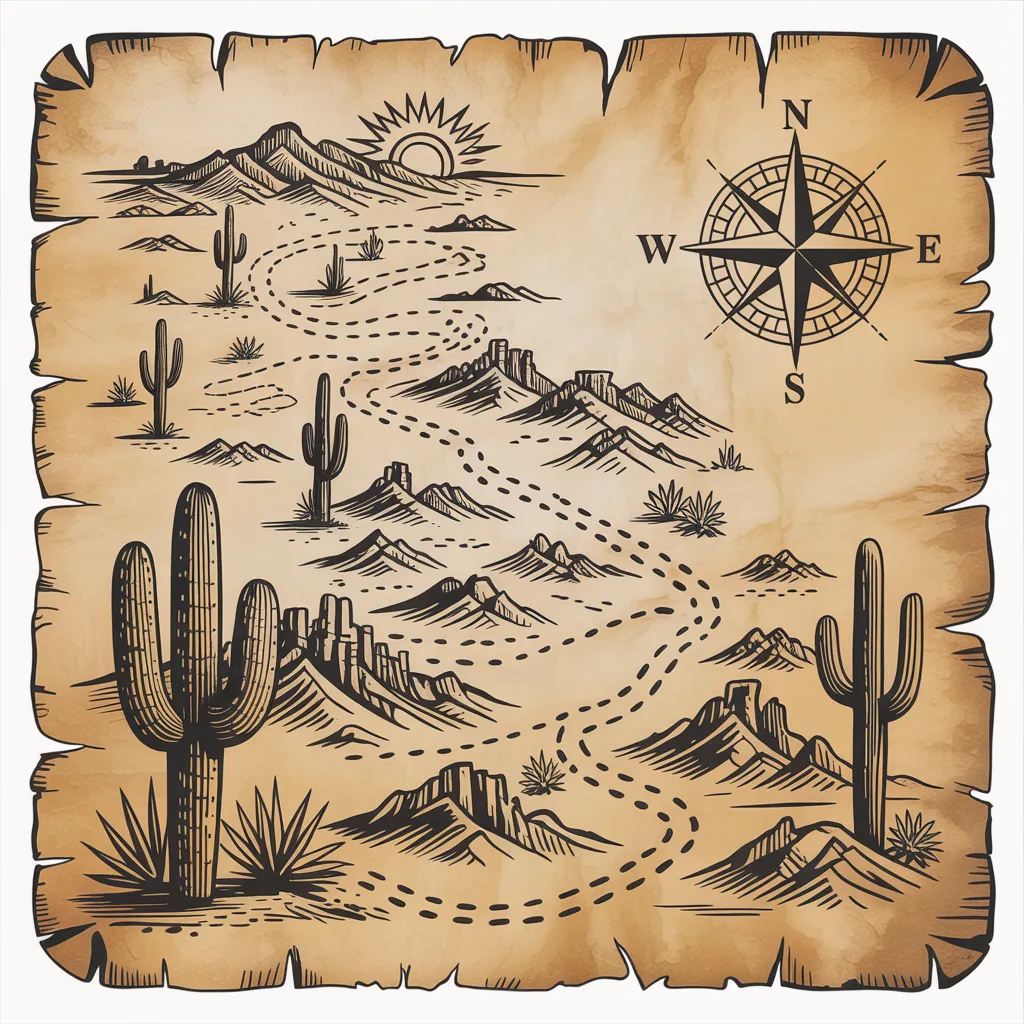
The Arizona desert holds more than cacti and stunning sunsets. It guards secrets worth millions. People have been chasing these stories for decades with nothing to show for it. From Spanish gold to stolen loot hidden in limestone caves, these five tales blend history with mystery. They draw adventurers into the endless hunt for riches that may or may not exist.
Whether you're a treasure hunter at heart or simply fascinated by the Old West's enduring legends, these stories offer a glimpse into Arizona's wild past and the obsession that still drives people to search for the treasures that seem beyond reach.
1. The Canyon Station Gold
The Legend: In 1873, a man named Macallum (or McAllen) and his partner learned that a stagecoach would be transporting thousands of dollars in government gold coins from Prescott to Fort Mohave. Near Canyon Station, the two bandits stopped the coach, took the heavy strongbox, and sent it on its way. Knowing a posse would soon be after them, they quickly buried the unwieldy strongbox somewhere near the station.
Macallum was captured and sent to Yuma Territorial Prison, but he refused to reveal where they'd buried the loot. While serving his sentence, Macallum became gravely ill. On his deathbed, he told a fellow inmate about the robbery and described a marker near the burial site.
People spent days looking for the marker Macallum had described. However, the landscape had changed so much that the treasure couldn't be located. The treausre of gold coins has never been recovered.
The Location: Canyon Station was located in the foothills of the Cerbat Mountains near Kingman, at the mouth of a narrow canyon. The road twisted up through the Cerbats before descending to Mineral Park. Today, only crumbling foundations remain at the end of a road. The treasure is believed to be buried somewhere in the vicinity of the old station, though an orchard and garden in the spot may have altered the landscape enough to obscure the original marker. Clack's Canyon, where the suspected hideout cave was, is also in the area and offers another potential clue to the bandits' movements.
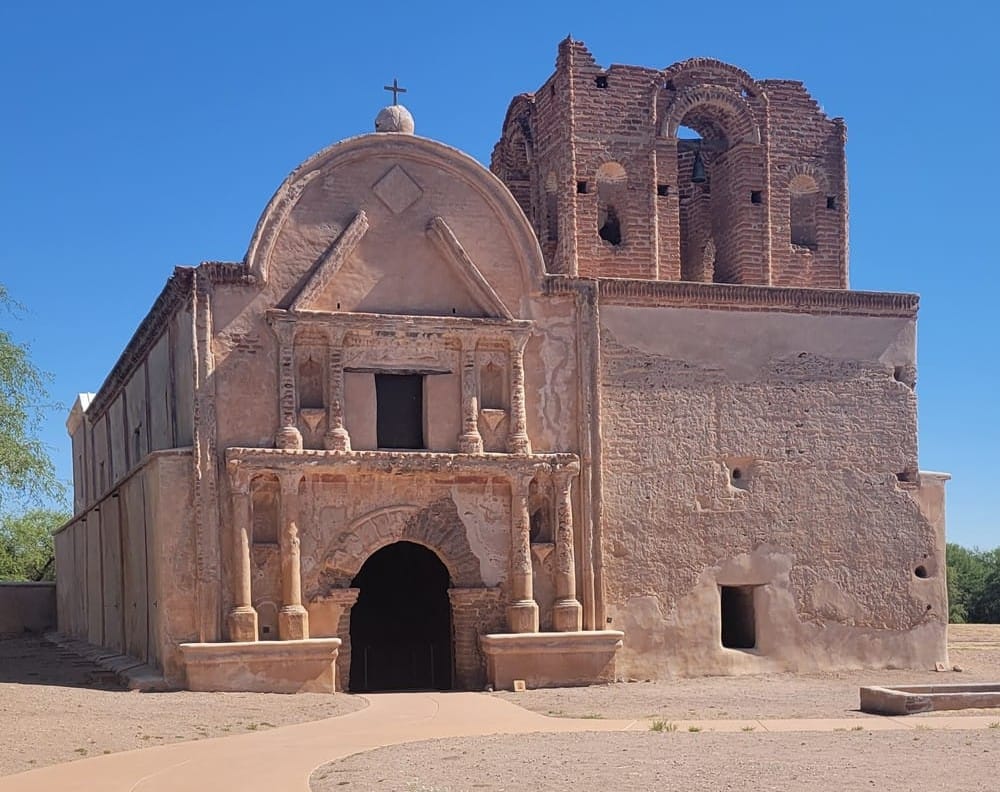
2. The Tumacacori Treasure
The Legend: The Tumacacori Mission, just north of the Mexican border, wasn't always a quiet historical site. In the mid-1800s, constant Apache raids forced the Jesuit priests to abandon the outpost.
They couldn't haul the church’s heavy wealth across the desert. Legend says that before they fled, the priests gathered the golden chalices, silver monstrances, and a stash of gemstones (often referred to as the "Tumacacori Diamonds"). To keep them from the Apaches, they supposedly buried the loot on the mission grounds or sealed it inside the thick adobe walls.
For decades, vandals and treasure hunters dug up the church floors and hacked at the walls looking for the "Jesuit Gold." Nothing has ever been officially recovered. Adding to the mystery, numerous people have reported finding cryptic symbols carved into rocks and trees around the mission, which they believe are clues left by the Jesuits.
The Location: The Mission sits along the Santa Cruz River, about 45 miles south of Tucson near the town of Tumacácori. The mission is now part of Tumacácori National Historical Park, and treasure hunting is strictly prohibited on park grounds. However, this hasn't stopped determined searchers from exploring the surrounding hills and arroyos on adjacent lands. The Santa Rita Mountains to the east have been particularly popular with treasure hunters who believe the gold was moved farther from the mission for safekeeping.
3. The Colossal Cave Loot
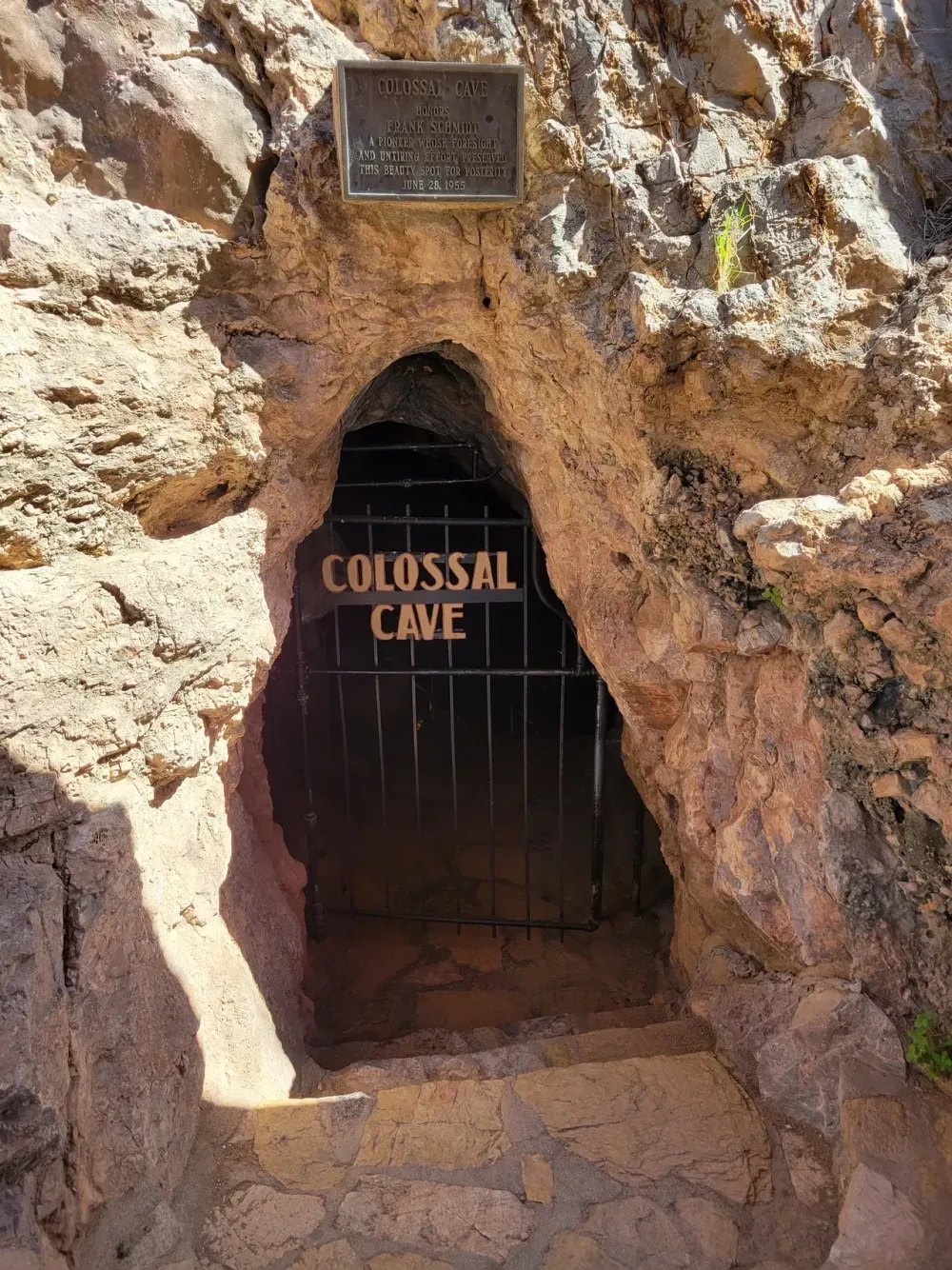
The Legend: The Colossal Cave bandit legend is actually a composite of several real train robberies that occurred between 1884 and 1887. The most famous incident happened when bandits robbed a Southern Pacific passenger train near Pantano for the second time that year. They escaped into the Rincon Mountains with U.S. currency and gold.
The bandits were tracked to what was then called Five-Mile Cave at Mountain Springs, now known as Colossal Cave. The posses searched for over a week and found evidence the bandits had used the cave as a hideout. However, taking advantage of rocky terrain and a heavy rainstorm, the bandits escaped.
The amount stolen varies by account. To this day, no one knows what happened to the money or how much was actually taken.
The Location: Colossal Cave is located in Colossal Cave Mountain Park, about 22 miles southeast of Tucson off Interstate 10. It's now a popular tourist attraction offering guided tours. The cave has been on the National Register of Historic Places and offers various tour options from standard walking tours to wild cave experiences. While treasure hunting is not allowed in the park, the cave's history as a genuine outlaw hideout is well-documented.
4. The Mine with the Iron Door
The Legend: The Santa Catalinas north of Tucson are home to a mystery that has outlasted the gold rush. The story goes that Jesuit missionaries in the mid-1700s struck a massive vein of gold in the Cañada del Oro. They mined it quietly until the order came for their expulsion from the New World.
They had no way to transport tons of ore without being caught. Rather than surrender their wealth to the King of Spain or leave it for the Apaches, the priests decided to seal the mine. They reportedly constructed a heavy iron door to lock the tunnel entrance, covered it with earth and rocks to blend into the mountainside, and fled. They intended to return, but never did.
The legend was made famous by Harold Bell Wright's 1923 novel "The Mine With The Iron Door," which was adapted into a silent film in 1924 and remade in 1936. Buffalo Bill Cody was very interested in the Iron Door Mine and owned part of the Campo Bonito Mining District. He never found it.
The Location: The Santa Catalina Mountains rise north of Tucson, with the legendary mine said to be somewhere in the Cañada del Oro (Canyon of Gold).
From the 1880s until the 1940s, the area was filled with mining claims. Hundreds of people spent years pulling copper, gold, and silver from the mountains. Buffalo Bill Cody's Campo Bonito Mining District was located south of Oracle on the north side of the Catalinas.
Today, adventurers continue searching for the mine. Some believe there is an Iron Door Mine, although it likely collapsed. The Iron Door Restaurant on top of Mount Lemmon is named after the legend, and Cody Loop Road in the Oracle area is named for Buffalo Bill Cody.
5. The Lost Dutchman's Mine
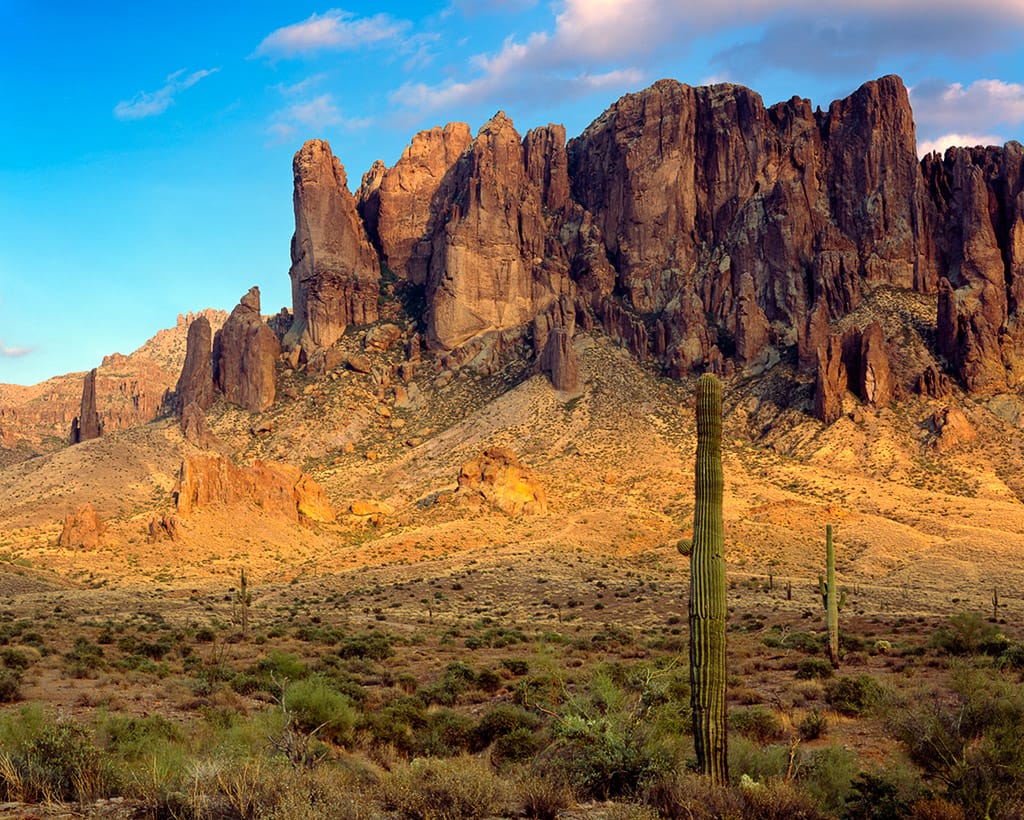
The Legend: The Lost Dutchman's Mine is perhaps the most famous lost mine in American history. The Superstition Mountains have been a source of mystery since early times. The area has many ancient cliff dwellings and caves.
The story's main character is Jacob Waltz, a German immigrant who became known as "the Dutchman." According to the legend, Waltz learned the mine's location and worked the it while stashing the gold around the mountains. Many versions of the story say this gold is hidden near Weaver's Needle, a prominent rock formation in the area.
By 1891, Waltz had moved to Phoenix and passed away. Since then, many treasure hunters tried to find the fortune. Some of these searchers have died or encountered violence while looking for the mine, fueling beliefs about a curse on the treasure.
The Location: The Superstition Mountains rise dramatically just east of Apache Junction, about 40 miles from Phoenix. Lost Dutchman State Park is located on the Apache Trail (State Route 88). The park provides views and access to the scenic Superstition Mountains and serves as a gateway to the Superstition Wilderness in the Tonto National Forest.
Why The Legend Survives
The reason these stories refuse to die is simple. The Arizona landscape is vast enough to hide just about anything. For every myth about Aztec gold, there is a documented robbery or a missing shipment that never turned up.
This history adds a layer to the desert that you cannot see just by driving past. It turns a hike into an investigation. The mountains look different when you know what might be buried inside them. Whether the gold is real or not is almost beside the point. The search itself keeps the Old West alive.
Subscribe to Roam Arizona
Sign up to get new Arizona stories, hidden gems, and updates delivered to your inbox.
You’re officially on the trail.
Peek at your inbox (or the spam gulch) for your first map.