Arizona's Territorial Capitals

When Arizona became the 48th state in 1912, the location of its capital was already settled. Phoenix had been serving as the territorial capital for more than two decades and would remain the center of government after statehood. However, Phoenix was not Arizona's first capital. During the territorial era, the seat of government moved several times as political power, population centers, and transportation routes shifted across the frontier.
Arizona had four distinct territorial capital eras between 1863 and 1889. Each played a unique role in shaping the state's history and reflected the challenges of governing a vast and often rugged territory.
Prescott: Arizona's First Capital
Arizona Territory was officially created by Congress in 1863 during the Civil War. At the time, much of the territory was sparsely populated and difficult to govern. The first territorial officials selected Prescott as the capital, and the government formally began operating there in 1864.
Prescott was chosen largely because of its strategic location near newly discovered gold deposits and because it was considered relatively safe from Confederate influence. The town quickly became the political heart of the young territory.
The first territorial legislature met in a simple log building, and government officials faced enormous challenges. Roads were primitive, communication with Washington was slow, and conflicts with Native American tribes were common throughout the region. Despite these difficulties, Prescott established the foundations of Arizona's territorial government.
Where to see it today: Visitors can still explore Prescott's historic downtown. The original 1864 log Governor's Mansion remains preserved on its original grounds at the Sharlot Hall Museum.
Tucson: The Capital Moves South
In 1867, the territorial legislature voted to move the capital to Tucson. By this time, Tucson was the territory's largest and most established community, with a history stretching back to Spanish colonial times.
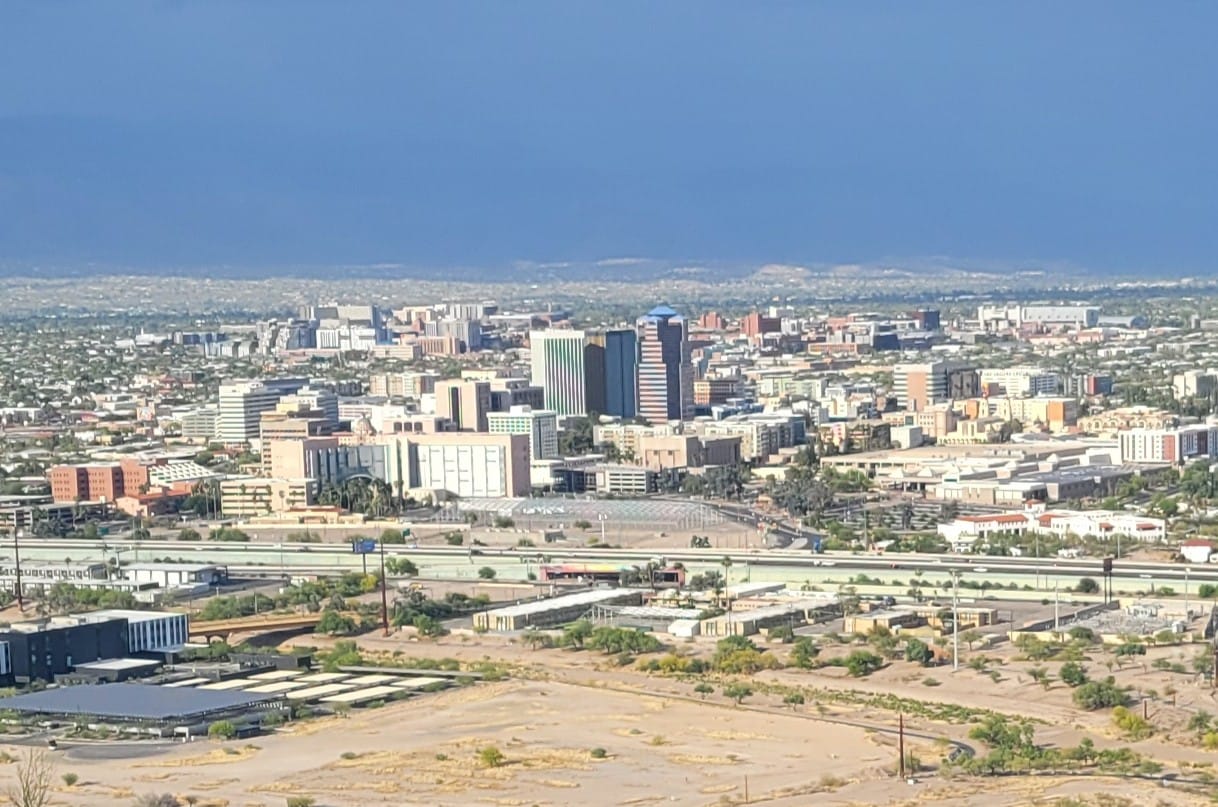
Supporters argued that Tucson's larger population and economic importance made it a more logical choice. The move also shifted political influence toward southern Arizona, where many residents felt underrepresented by a government based in Prescott.
Tucson served as the territorial capital during a period of significant growth. Trade expanded, military forts helped increase security, and transportation links gradually improved. However, political disagreements between northern and southern Arizona continued to create tension.
The capital remained in Tucson for about a decade before lawmakers once again decided to relocate the seat of government.
Where to see it today: While the specific structures used by the legislature are gone, walking through downtown Tucson's El Presidio and Barrio Viejo neighborhoods preserves the nineteenth-century Sonoran adobe architecture of the era.
Prescott Returns
In 1877, the territorial capital returned to Prescott. The decision reflected changing political alliances and ongoing rivalries between different regions of the territory.
The move coincided with a period of increasing mining activity throughout central Arizona. Prescott's supporters argued that its location provided better access to growing settlements in the northern and central portions of the territory.
During this second stint as capital, Arizona continued to develop roads, schools, and government institutions. Yet it was becoming clear that population growth was gradually shifting toward the Salt River Valley.
As railroads expanded across Arizona during the 1880s, new communities began emerging as economic powerhouses. One city in particular was poised to become the territory's future center of government.
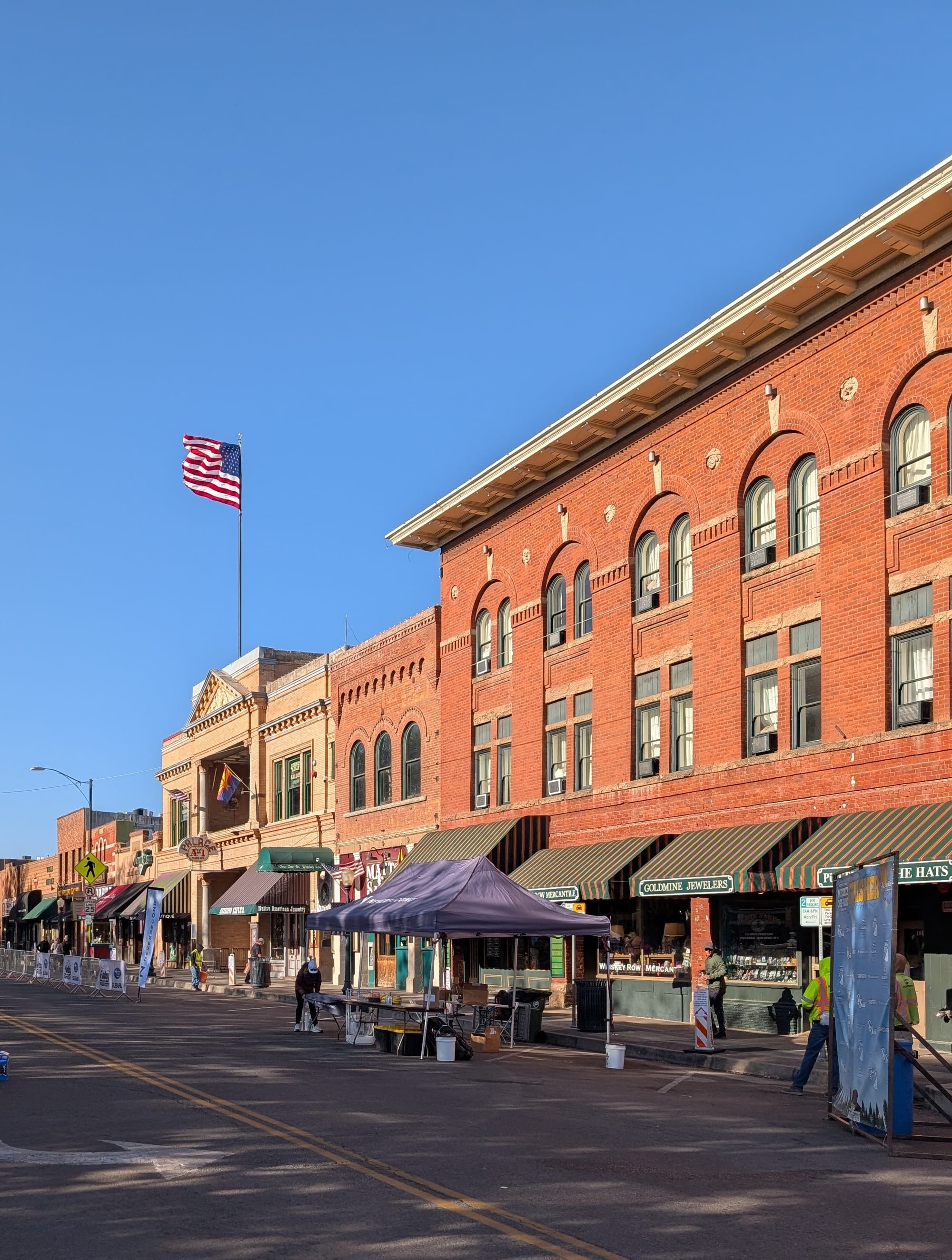
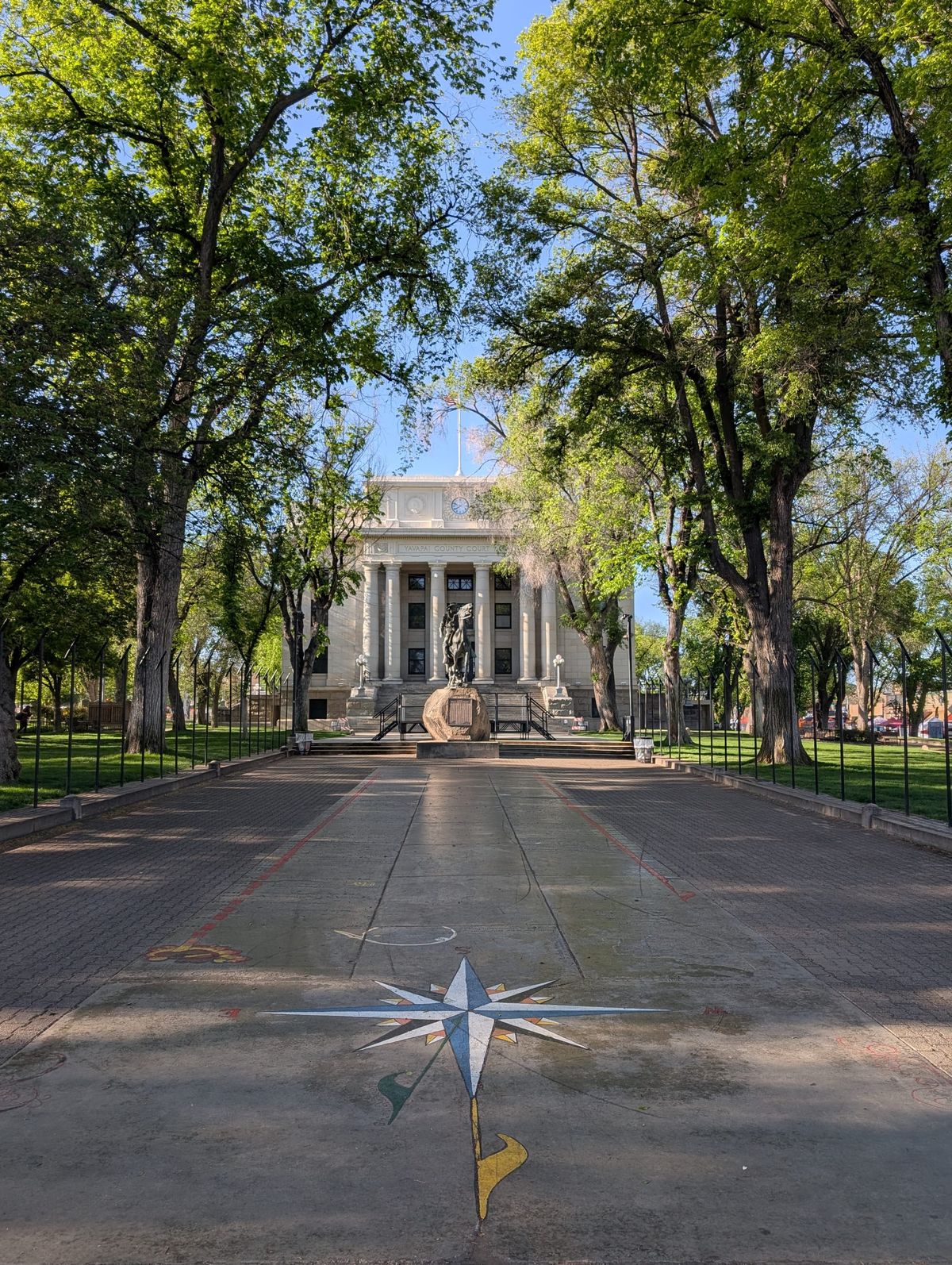
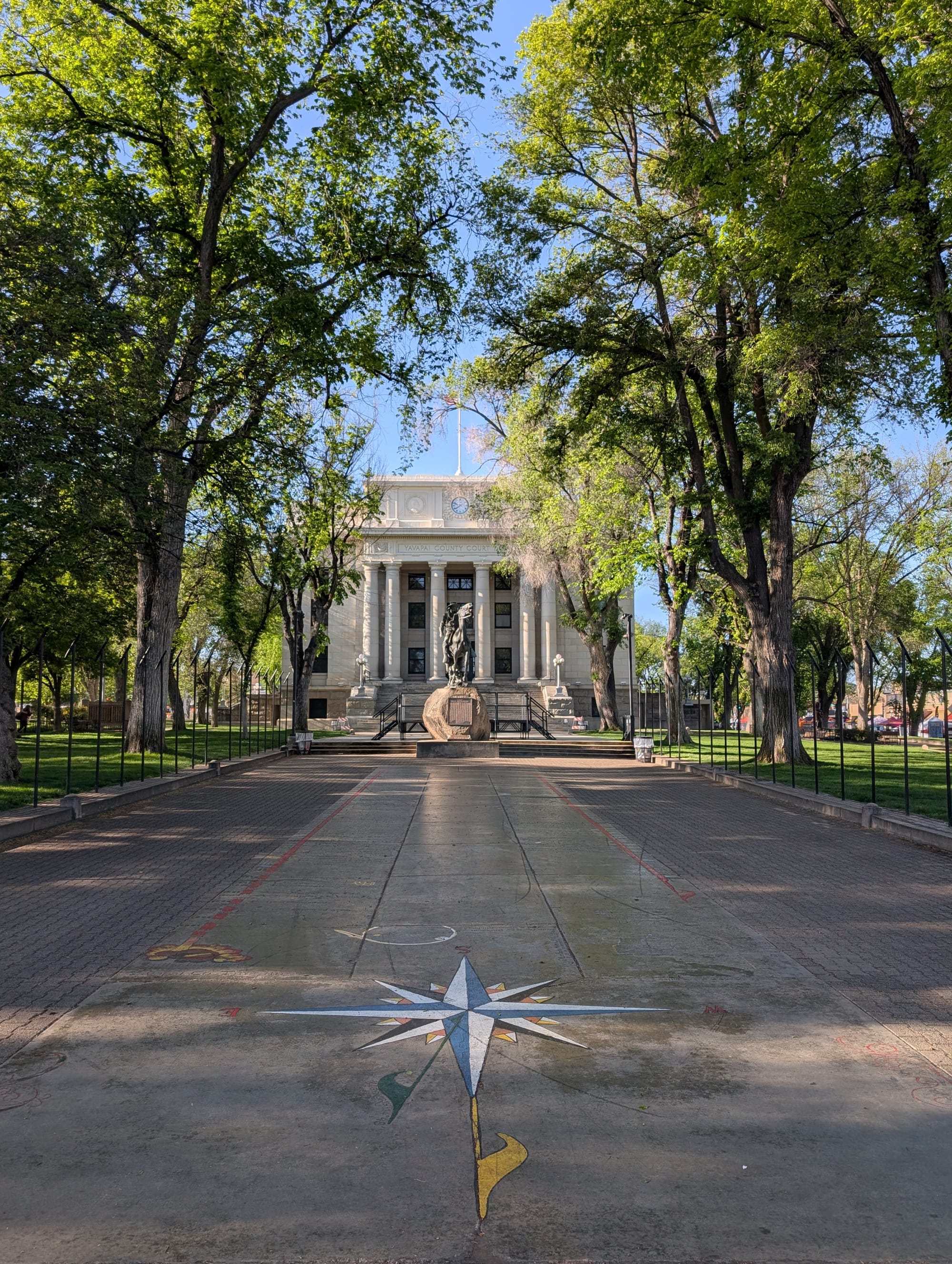
Where to see it today: Prescott's historic Courthouse Plaza and adjacent Whiskey Row remain the focal points of this era, serving as the spot where territorial politicians gathered to negotiate and debate.
Phoenix Becomes the Capital
In 1889, the territorial legislature voted to move the capital to Phoenix. Unlike Prescott and Tucson, Phoenix was a relatively young community. Founded in the 1860s, it grew rapidly thanks to agriculture supported by irrigation canals in the Salt River Valley.
By the late nineteenth century, Phoenix occupied a central location within the territory and sat near important transportation routes. Its population was expanding quickly, and many leaders viewed it as Arizona's future economic center.
The move proved permanent. When Arizona achieved statehood in 1912, Phoenix remained the capital and continues to serve in that role today.
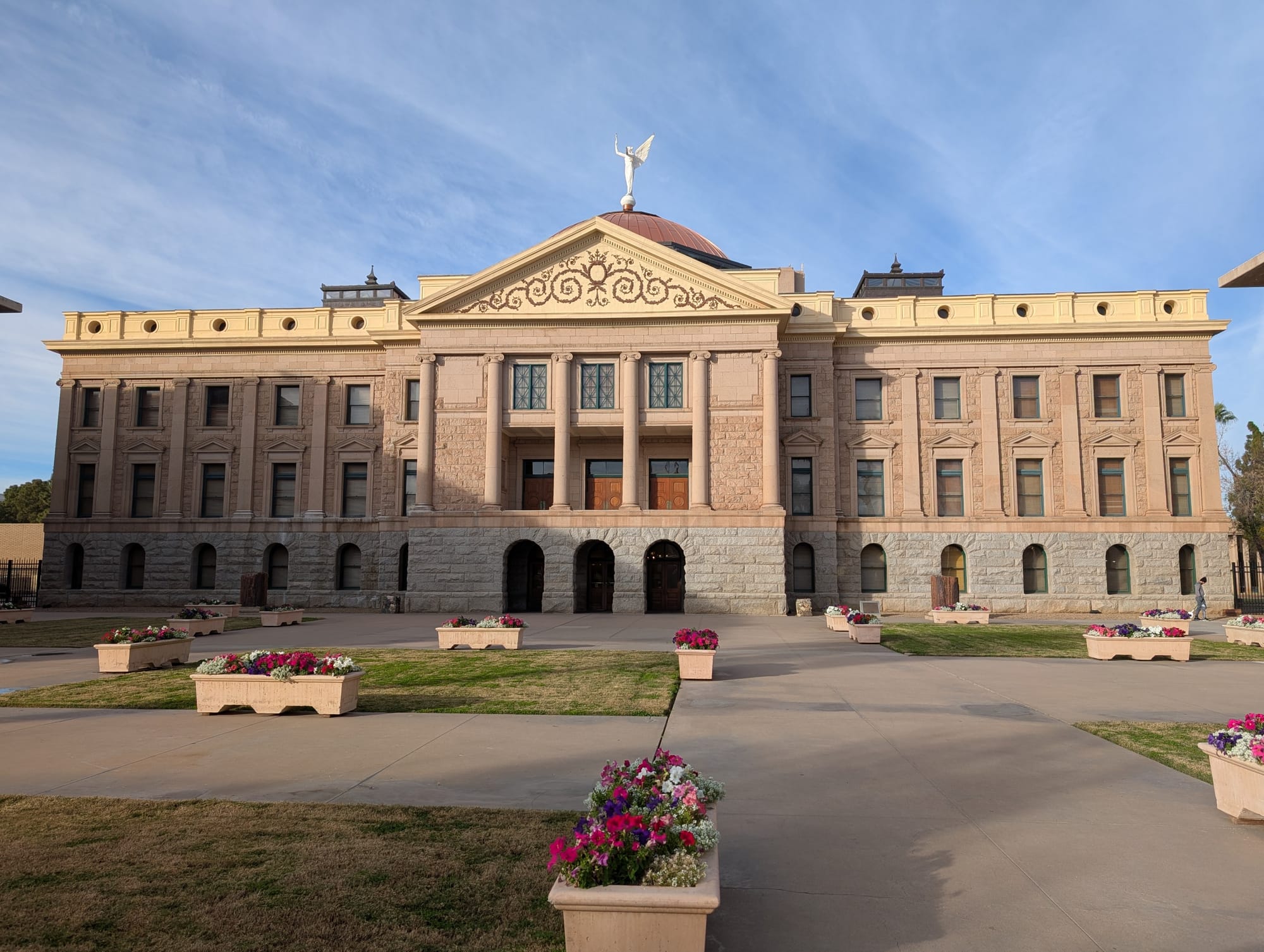
Where to see it today: The impressive territorial capitol building constructed in Phoenix in 1901 still stands and now houses the Arizona Capitol Museum, offering visitors a glimpse into the final years of Arizona's territorial government.
A Legacy of Frontier Politics
The story of Arizona's territorial capitals reflects the rapid changes that transformed the region during the nineteenth century. As mining camps became towns, railroads crossed the desert, and new settlements emerged, political power shifted alongside them.
Prescott, Tucson, and Phoenix each left their mark on Arizona history, while Prescott holds the unique distinction of serving twice. Together, these four chapters tell the story of a territory searching for its identity before ultimately becoming the state we know today.
For history enthusiasts exploring Arizona, visiting these former capitals offers a fascinating way to trace the state's journey from a remote frontier territory to modern statehood.
Subscribe to Roam Arizona
Sign up to get new Arizona stories, hidden gems, and updates delivered to your inbox.
You’re officially on the trail.
Peek at your inbox (or the spam gulch) for your first map.