Arizona’s Forgotten Brands: The Companies That Came and Went

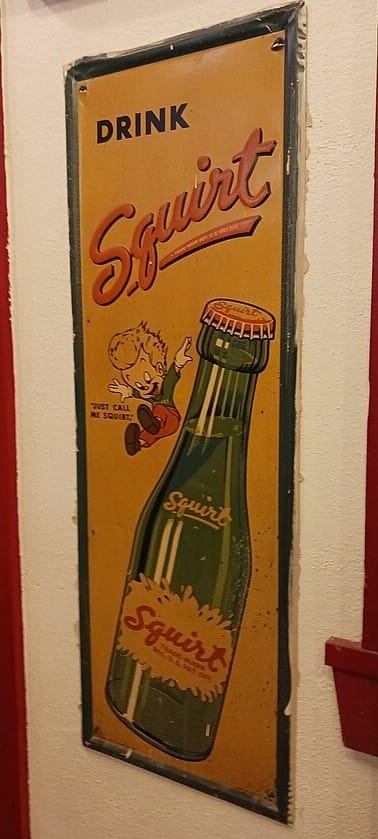
These brands built Arizona’s identity… and then disappeared.
Arizona has always been a land of reinvention. Boom towns turned into ghost towns. Roadside motels became condos. Once-beloved local brands faded into memory. Long before national chains arrived, these names defined everyday life in the desert. For longtime residents, they were more than businesses. They were part of Arizona’s story.
Smitty’s: The One-Stop Arizona Superstore
Before Super Target and Walmart Supercenters, there was Smitty’s. Founded in the 1960s by Jack Smith, this Arizona-based chain blended a grocery store, department store, and snack bar under one roof. That idea was revolutionary at the time. Families could shop for food, grab a burger, and pick up records or clothes without leaving the store, well before other supercenters. By the mid-1990s, Smitty’s merged into Smith’s Food and Drug, and eventually into Fry’s Marketplace, losing its distinct Arizona identity in the process.
Hiway House: Modern Luxury on Route 66
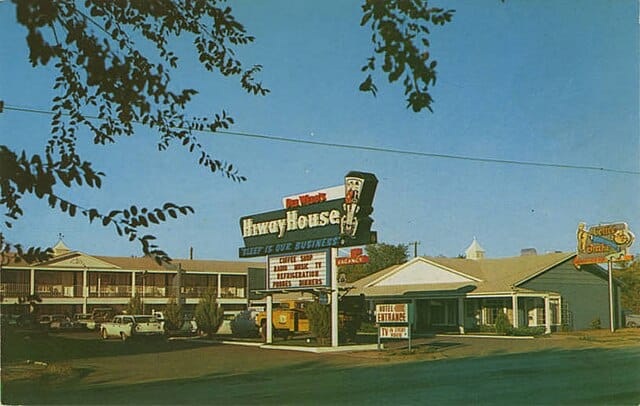
Hiway House was more than a motel. It was a promise of mid-century comfort on America’s most famous road. Launched in the 1950s by Del Webb, the same developer behind Sun City and co-owner of the New York Yankees, the chain offered sleek motor-lodge convenience with real style. Guests enjoyed bright neon, swimming pools, and on-site restaurants. Travelers crossing Arizona could spot the Hiway House sign glowing in the desert night. By the 1970s, the brand could not compete with larger national motel chains.
Steinfeld’s: Tucson’s Department Store with Class
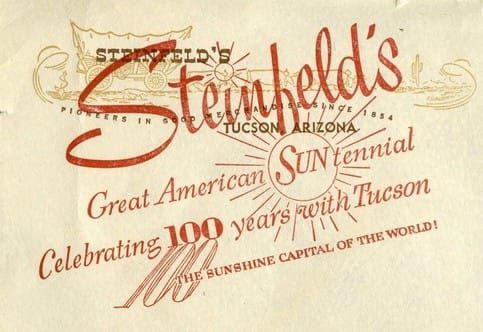
For decades, downtown Tucson revolved around Steinfeld’s Department Store. Founded in the early 1900s, it grew into a full-service retailer offering fashion, furniture, and fine goods for the city’s growing population. The ornate building on Stone Avenue became a local landmark, and many families made it a tradition to dress up for shopping trips downtown. As malls spread during the 1970s and 1980s, Steinfeld’s could not keep up. It eventually closed, and the building was converted into office and retail space. For Tucson residents, Steinfeld’s still represents a more elegant, small-town era before the rise of big-box retail.
Big Johnson’s Big Apple: The Roadside Kingdom of Quirk
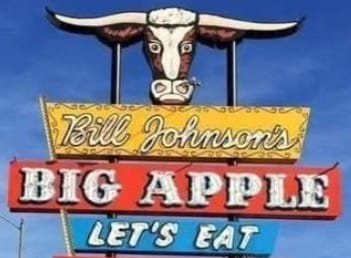
With a name that raised eyebrows and a personality as bold as its sign, Big Johnson’s Big Apple became a true Arizona roadside icon. It started as a combination gas station, gift shop, and diner filled with humor and desert hospitality. You could not miss it. Giant apple signs, playful slogans, and the kind of offbeat charm that made road trips memorable. The mix of Americana and local oddball humor made it a favorite stop for travelers in the 1970s and 1980s. Like many roadside attractions, it faded when new highways diverted traffic away. Today, old photos and stories of Big Johnson’s still circulate online, proof that Arizona’s best landmarks were not always polished or predictable.
Squirt: Arizona’s Zesty Claim to Fame
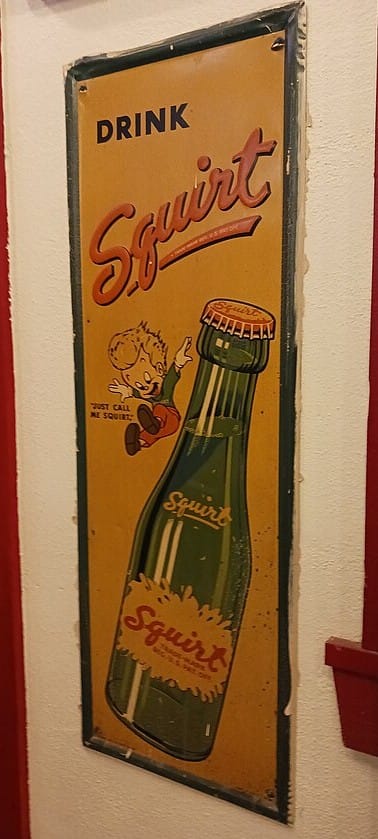
Most people think of Squirt as just another soda, but it started right here in Arizona. Created in Phoenix in 1938 by Herb Bishop, Squirt was designed to taste like a fresh grapefruit in a bottle. Light, citrusy, and perfect for desert heat, it quickly became popular and went national. Even after the brand changed ownership and production moved elsewhere, Arizonans kept a soft spot for it. You can still find Squirt in stores, but it is no longer considered an Arizona product.
Why These Brands Still Matter
These names may be gone, but they shaped how Arizona lived, traveled, and even tasted its own identity. They represent a time when every logo, jingle, and roadside sign was homegrown. In a state known for constant change, remembering them is more than nostalgia. It is local history worth preserving.
Subscribe to Roam Arizona
Sign up to get new Arizona stories, hidden gems, and updates delivered to your inbox.
You’re officially on the trail.
Peek at your inbox (or the spam gulch) for your first map.