Arizona Is Not One Desert. It Is Four.

Most people think Arizona is one endless stretch of sand and cactus. That idea makes sense if you’ve only driven through once or stuck to the interstates. But it’s wrong.
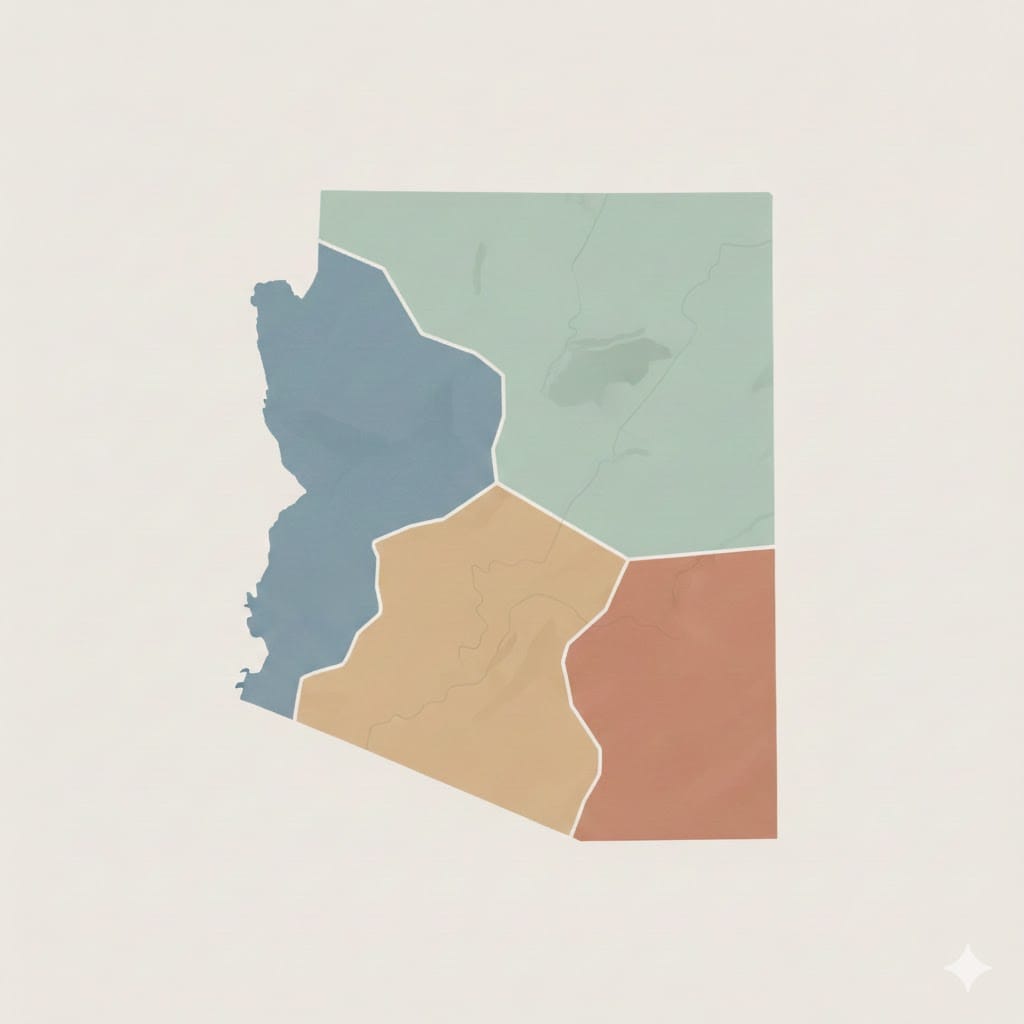
Arizona sits at the meeting point of four different deserts, each with its own climate, plants, and personality. That’s why the state can feel wildly different depending on which direction you drive. Saguaros in the south. Snow in the north. Grasslands in the southeast. Joshua trees in the northwest.
Same state. Different rules.
The Sonoran Desert
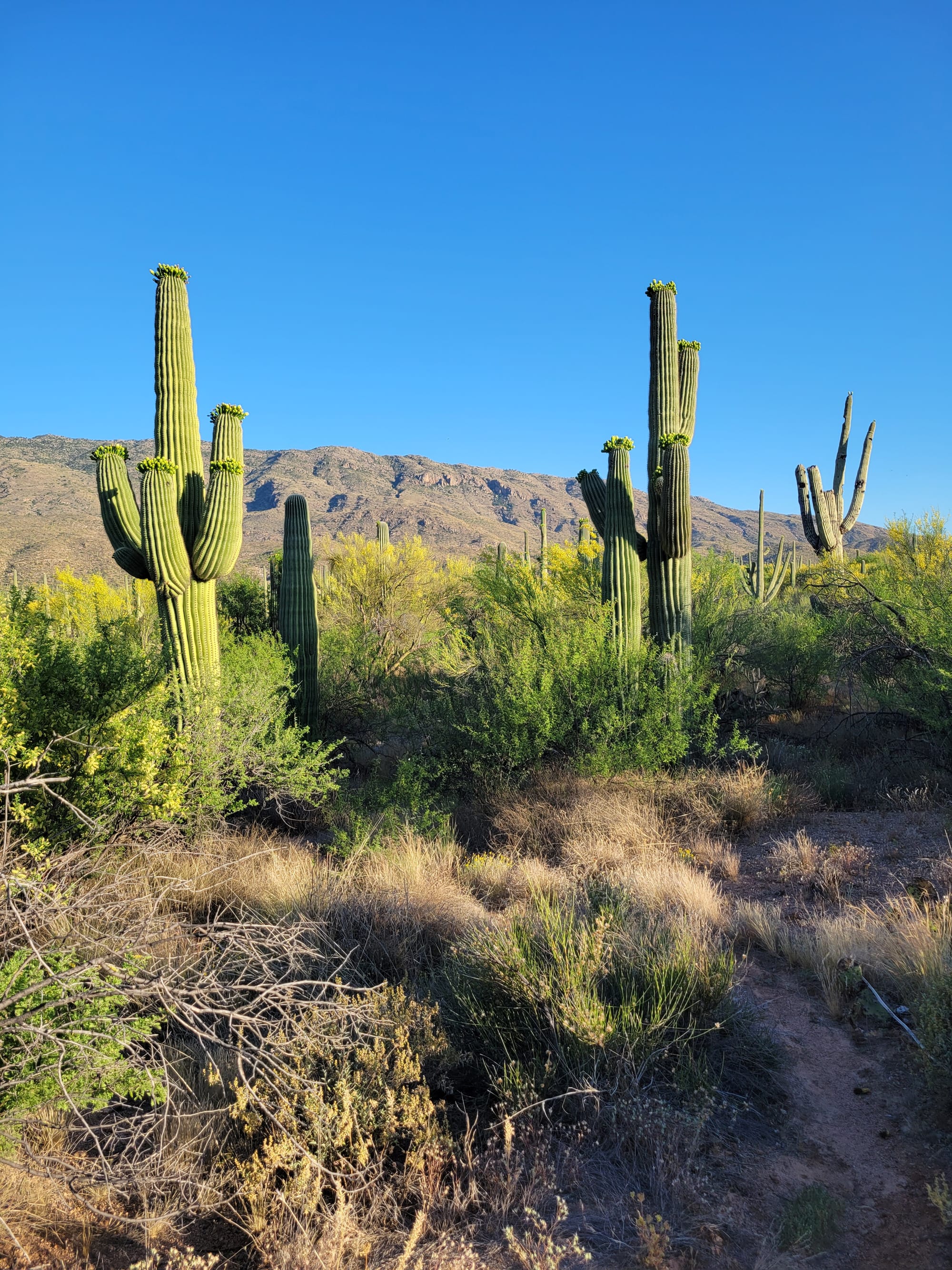
This is the desert most people picture when they think of Arizona.
The Sonoran Desert covers southern and central Arizona, including Tucson and Phoenix. It’s defined by saguaros, which only grow naturally here. Nowhere else on Earth.
Unusual for most deserts, the Sonoran has two rainy seasons: summer monsoons and winter rains. That extra moisture supports an unusually high level of biodiversity. You’ll see dense cactus forests, palo verde trees, mesquite, and an incredible range of wildlife.
This is the desert people move to expecting heat, then stay for the sunsets.
Key traits:
- Saguaros and other large cacti
- Hot summers, mild winters
- Monsoon storms and winter rain
- Southern and central Arizona
The Mojave Desert
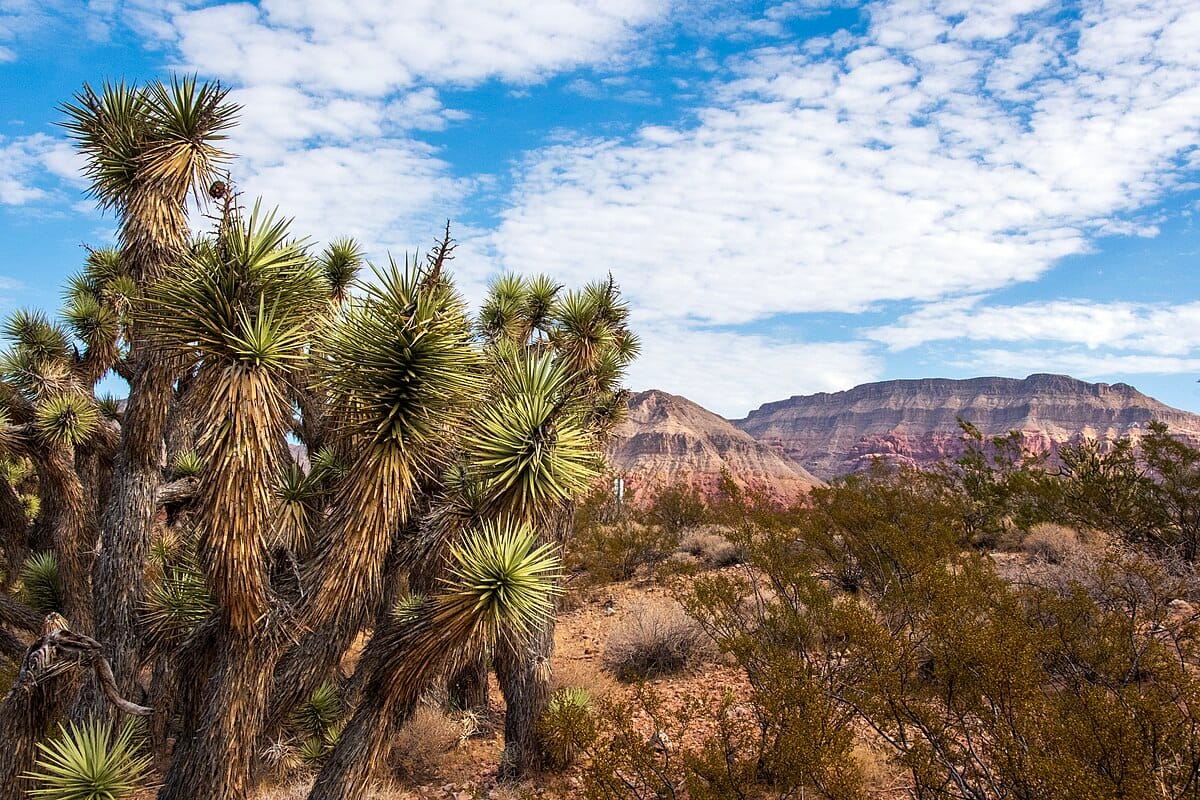
Head northwest and the landscape changes fast.
The Mojave Desert reaches into northwestern Arizona and feels harsher and more open than the Sonoran. This is Joshua tree country, a plant that doesn’t overlap much with saguaros.
The Mojave sits at a higher elevation, which means colder winters and less rainfall. Vegetation is sparser. The terrain feels older and more stripped down.
This is the desert people don’t expect to find in Arizona, even though it’s unmistakable once you’re in it.
Key traits:
- Joshua trees
- Higher elevation
- Colder winters
- Northwestern Arizona
The Chihuahuan Desert
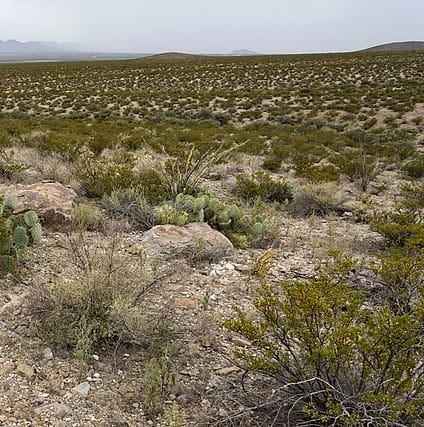
This is the least talked-about desert in Arizona, which makes it one of the most surprising.
The Chihuahuan Desert reaches into southeastern Arizona and looks nothing like the postcard image of a desert. Instead of tall cacti, you’ll see open grasslands, low shrubs, and wide horizons.
Rainfall here is driven heavily by the summer monsoon, and temperatures are often cooler than the Sonoran. This region feels like a transition zone between desert and plains, which is exactly what it is.
If you’ve ever driven through southeastern Arizona and thought, This doesn’t look like a desert at all, you weren’t wrong.
Key traits:
- Grasslands instead of cactus forests
- Strong monsoon influence
- Cooler overall temperatures
- Southeastern Arizona
The Great Basin Desert
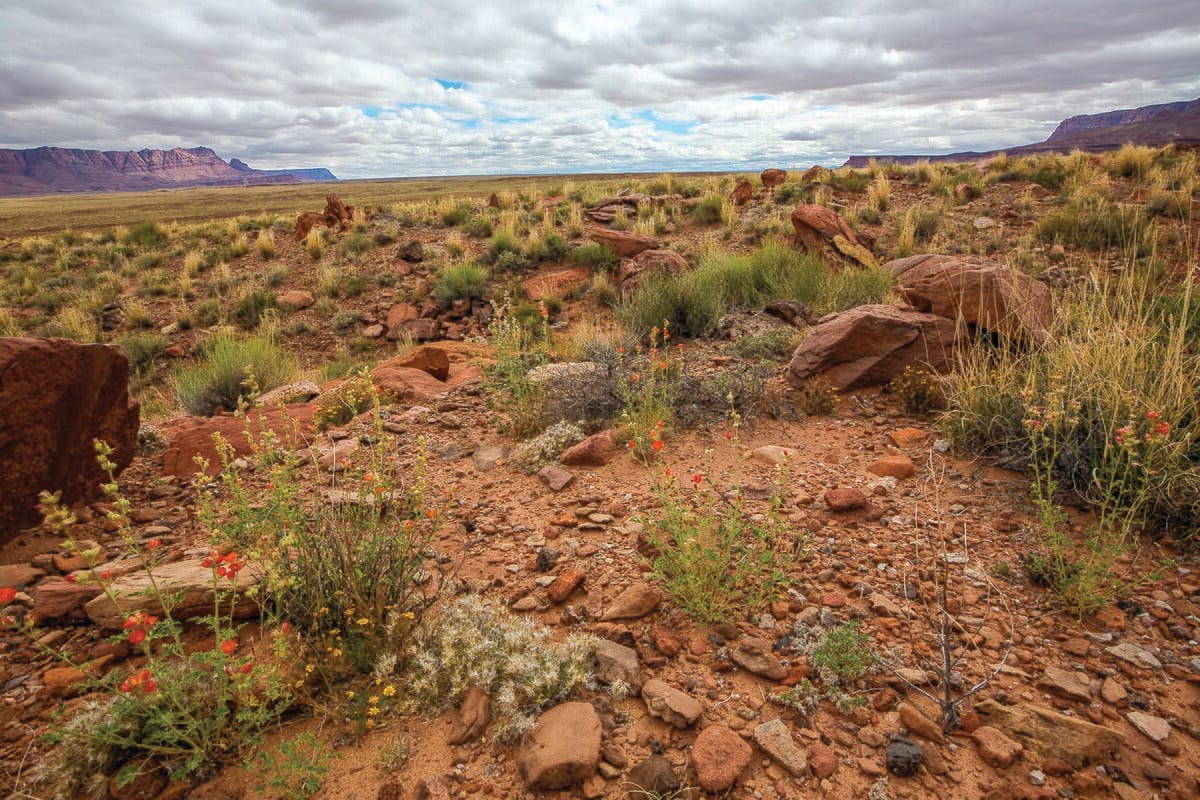
This is the desert that breaks most people’s mental model.
The Great Basin Desert covers much of northern Arizona. It’s a cold desert, which means low precipitation but cold winters and frequent snow.
Instead of cacti, you’ll see juniper, sagebrush, and open high desert. Elevation drives everything here. Summer days can be warm, but nights cool off quickly. Winters are real winters.
Yes, parts of snowy northern Arizona are still desert.
Key traits:
- Cold desert climate
- Juniper and sagebrush
- Snow in winter
- Northern Arizona
Why This Matters
Arizona can feel confusing because it does not follow one set of environmental rules. You can drive a few hours in almost any direction and end up in a completely different landscape. The plants change. The weather changes. The terrain changes.
That is not coincidence. It is geography.
Four deserts overlap in Arizona, and each one shapes the land in its own way. Once you understand that, the state becomes easier to read. Saguaros stop feeling universal. Snow stops feeling out of place. The sharp transitions start to make sense.
Arizona is not one desert. It is a state shaped by several, and that is why it never looks the same for long.
Subscribe to Roam Arizona
Sign up to get new Arizona stories, hidden gems, and updates delivered to your inbox.
You’re officially on the trail.
Peek at your inbox (or the spam gulch) for your first map.