A Guide to Arizona’s Best UFO Spots

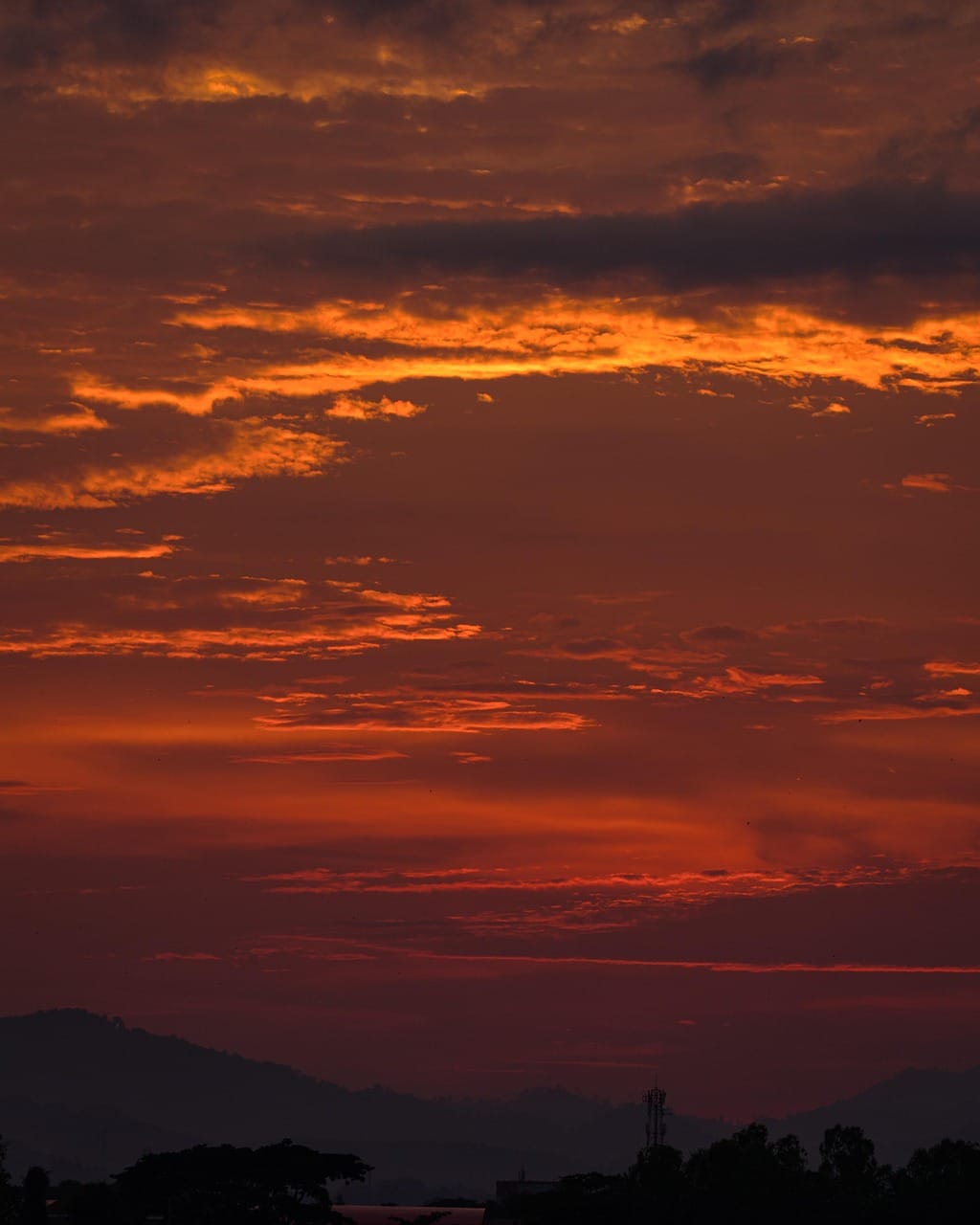
Most people come to Arizona for the sun. Some of us stay for what happens after it goes down. Arizona is a global hotspot for UAP sightings, with a long track record of events that never quite get wrapped up with a neat explanation. From the infamous 1997 Phoenix Lights to Sedona’s reputation for high-energy vortexes, the desert sky has a habit of doing its own thing. If you’re bored with normal stargazing and want to scan the horizon for something a little more unauthorized, these are the places worth your time.
The Legend: Phoenix and the “Lights”
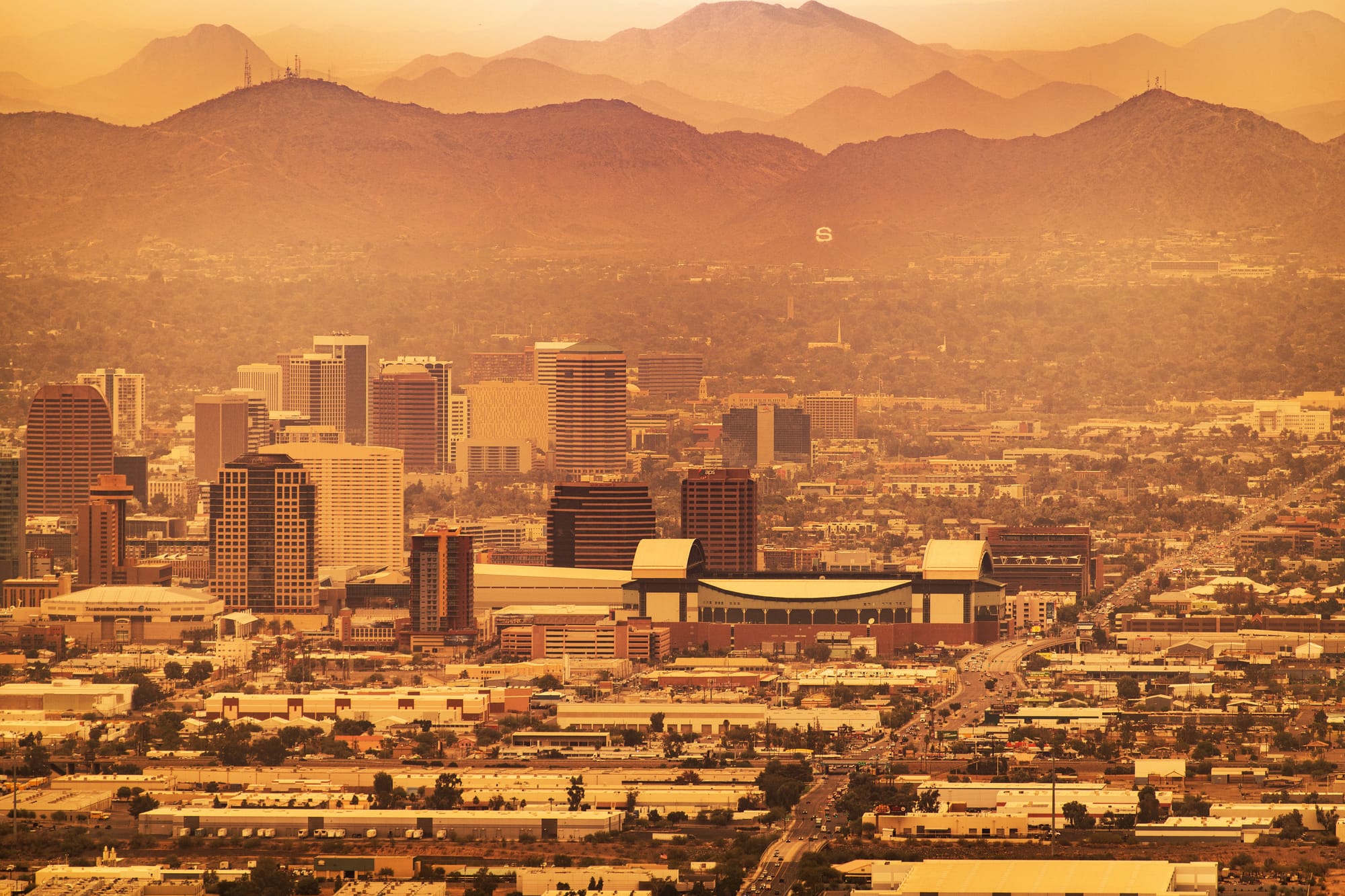
On March 13, 1997, thousands of people across Arizona reported seeing a massive V-shaped formation of lights moving silently across the sky. The sightings stretched across the state and included pilots, police officers, and everyday residents. Years later, even the sitting governor admitted he saw something he could not explain. Despite military explanations and official statements, the event remains one of the most widely witnessed and debated UFO sightings in modern history.

For a grounded perspective, South Mountain Park and Preserve offers one of the best vantage points in the Valley. From the ridgelines, you can see across the same airspace where the lights were most famously reported. The city glows behind you, but the desert opens up to the west, creating a sharp contrast between urban life and open sky.
Being here at night feels grounded but uneasy in a quiet way. You are surrounded by civilization, yet reminded how little control it has over what moves above it.
Go for the city views. Stay a little longer and watch the horizon over the Estrella Mountains.
The Vortex: Sedona’s Sky Watchers
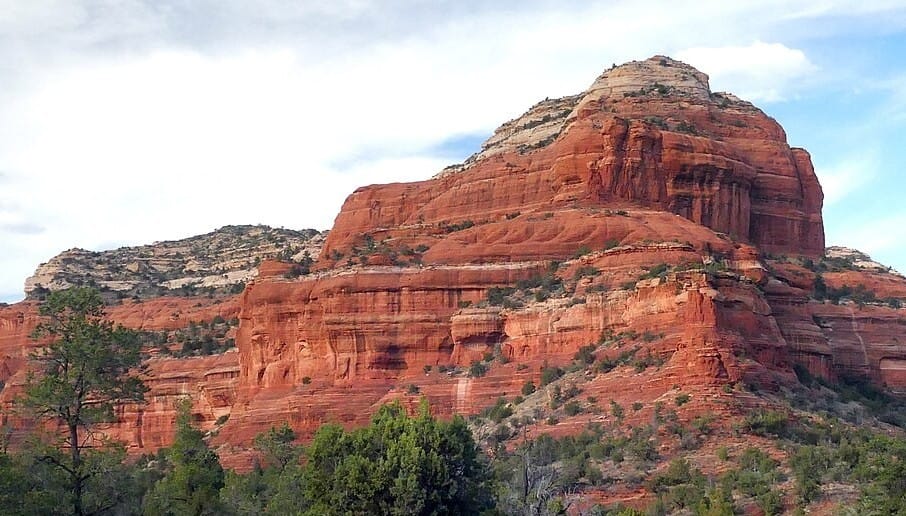
Sedona’s reputation as a vortex site has drawn people for decades. Many believe the area has heightened electromagnetic energy, while others simply point to its geography and dark skies. Regardless of where you land, the volume of reported sightings here is hard to ignore.
Open areas like Cultural Park Trailhead and Airport Mesa are ideal for night watching. Both offer wide horizons, minimal obstructions, and expansive views of the red rock formations that reflect starlight in ways that can feel almost unreal.
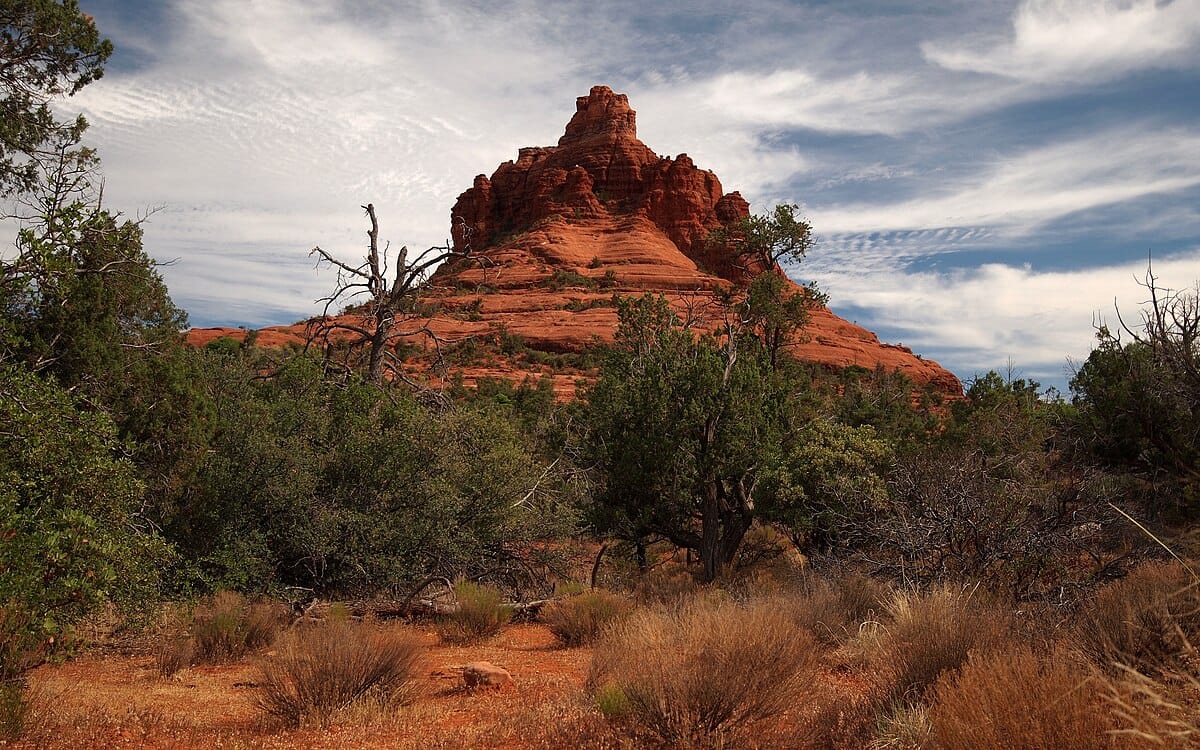
Sedona also has a thriving night-vision scene. Guided tours take visitors out with military-grade goggles, revealing satellites, aircraft, and movements that are invisible to the naked eye. Once you’ve seen the sky this way, it is hard to unsee how much activity is constantly overhead.
Out here, the experience feels layered. There is a mix of spiritual curiosity, serious equipment, and long stretches of silence where people wait and watch.
The Dark Sky Heavyweights: Flagstaff and the White Mountains
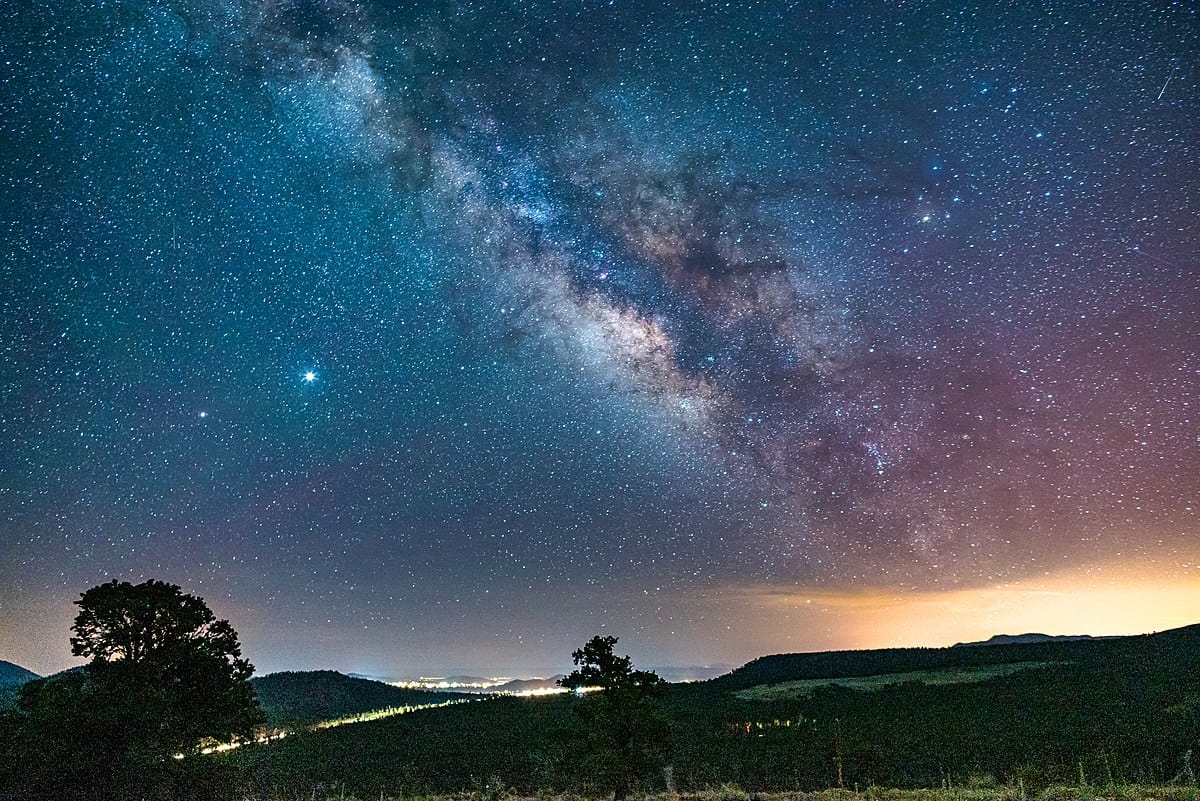
Northern Arizona is where the sky starts to feel dominant. The farther you get from city lights, the more motion you notice overhead, and the less reference you have for judging what is normal.
Near Flagstaff, Cinder Hills Overlook sits in a volcanic landscape that already feels unfamiliar during the day. At night, the terrain looks almost lunar, and the stars feel unusually close. Any movement across the sky stands out immediately.
This region is also tied to the 1975 Travis Walton case near Heber and Overgaard, one of the most famous alleged abduction stories in the world. The incident took place within the Sitgreaves National Forest, adding another layer to an area that already feels isolated and exposed.
Spending time here is less about excitement and more about stillness. The silence, the darkness, and the scale of the sky make you pay attention in a different way.
The Southern Sighting: The Santa Rita Mountains
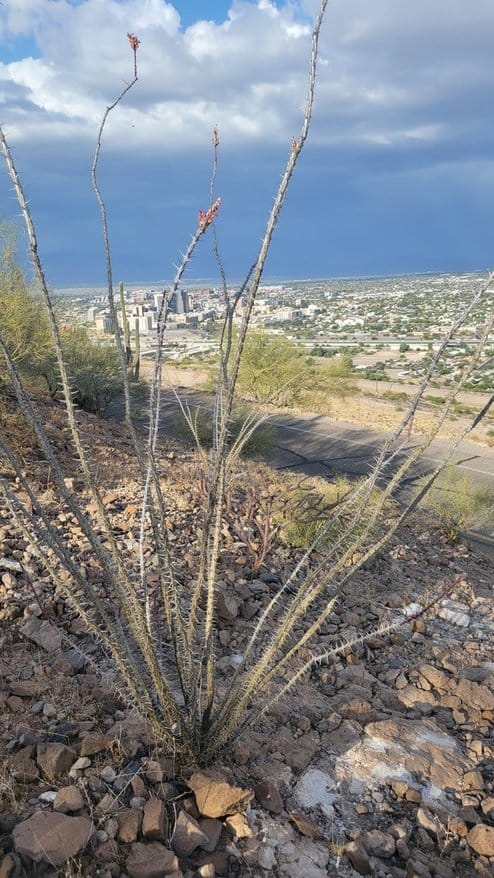
If you spend time in Tucson, you do not need to go far to find active skies. South of the city, the Santa Rita Mountains rise sharply and block out much of the surrounding light.
The base area near Mount Hopkins, home to the Fred Lawrence Whipple Observatory, is a common spot for sky watching. With heavy astronomical research nearby, many sightings are easily explained. Still, locals regularly report slow-moving orange orbs drifting quietly over ridgelines toward Patagonia.
The contrast here is part of what makes it interesting. Cutting-edge science operates alongside long-standing local stories, and not everything seen overhead fits neatly into either category.
Keep Your Eyes Up
Whether you believe every story or question all of them, Arizona’s sky stays active. Bring a chair, a thermos of coffee, and some patience. Even if nothing unusual shows up, you still get a world-class view of the Milky Way.
Subscribe to Roam Arizona
Sign up to get new Arizona stories, hidden gems, and updates delivered to your inbox.
You’re officially on the trail.
Peek at your inbox (or the spam gulch) for your first map.